Introduction
Walking your dog should be an enjoyable bonding experience, but often it turns into a frustrating tug-of-war when your dog pulls on the leash. This common problem can make walks stressful, exhausting, adn sometimes even unsafe for both you and your furry friend. Fortunately, with the right techniques and patience, you can teach your dog to walk politely by your side without pulling.
In this post, we’ll explore practical and easy training tips to help you stop your dog from pulling on walks. Whether you have a new puppy or a full-grown dog,these methods are effective for dogs of all ages and sizes,transforming your daily strolls into calm and enjoyable adventures.
Understanding Why Dogs Pull on Leash
Before diving into training techniques,it’s essential to understand why dogs pull on the leash in the first place.Dogs are naturally curious and love exploring the world through smells, sights, and sounds.When they get excited or distracted during a walk, pulling is their way to reach the engaging things faster.
Additionally, pulling can stem from a lack of proper leash training or insufficient exercise, causing pent-up energy to escape on walks. Dogs may also pull due to anxiety or overexcitement.Recognizing the reason behind your dog’s pulling behavior will help you choose the most effective training strategy.
Keep in mind that pulling is a behavior, not a personality trait, so with consistency and positive reinforcement, you can teach your dog better leash manners.
Simple Training Tips to Stop Your Dog From Pulling
Stopping your dog from pulling on walks requires practice, patience, and the right approach. Here are some easy training tips that you can start implementing today:
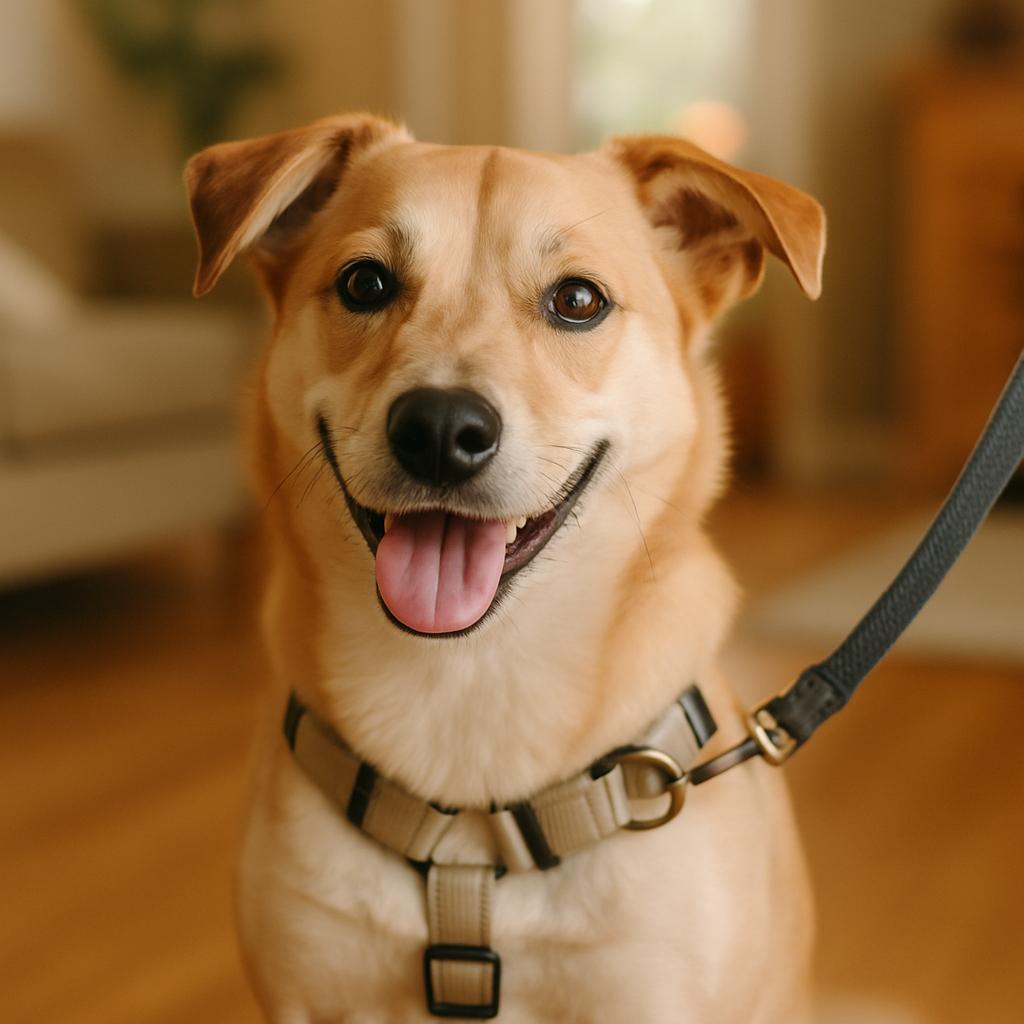
- Use the Right Equipment: Consider using a front-clip harness or a head halter designed to reduce pulling rather than a conventional collar. These tools provide better control and discourage pulling without causing pain or harm.
- Practice Loose-Leash Walking: Keep the leash slack while walking and stop moving forward any time your dog begins to pull. wait patiently until the leash loosens, then continue walking. This teaches your dog that pulling does not get them where they want to go faster.
- Reward Good Behavior: Use treats,praise,and affection to reward your dog when they walk calmly by your side. Positive reinforcement motivates your dog to repeat good behavior.
- Change Direction: If your dog pulls towards a distraction, gently turn in the opposite direction.This unexpected change teaches your dog to pay attention to you and follow your lead.
Remember to keep training sessions short and fun. Consistency is key – the more frequently you practice these tips, the quicker your dog will learn to stop pulling.
Our Top Product Recommendations
EasyWalk Front-Clip Harness
Designed to gently discourage pulling, the EasyWalk harness redirects your dog’s attention back towards you. Its front-clip design stops pulling before it starts,making walks comfortable for both you and your pup.
ComfortFit Head Halter
This ergonomic head halter gives you excellent control without causing discomfort. Perfect for larger or strong dogs,it helps reduce pulling by steering your dog’s head the way you want to go.
Treat Reward Pouch
Keep training treats within easy reach with this convenient pouch. Using treats as rewards during walks encourages your dog to focus and walk calmly beside you.
Additional Tips to Enhance Walk Training
Alongside basic leash training, there are a few other strategies to help solidify good walking habits:
- Exercise Before Walks: Giving your dog some built-up energy release with play or a speedy run before the walk can make them calmer and less likely to pull.
- Train in Low-Distraction Areas: Start training in quiet parks or your backyard before progressing to busy streets or parks. This helps your dog focus better on your commands and leash manners.
- maintain a Consistent Routine: Walk your dog regularly at similar times and routes. Consistency helps your pet know what to expect and can reduce anxiety-driven pulling.
- Use a Verbal Cue: Teaching your dog a command such as “heel” or “easy” can reinforce leash manners and remind your dog to walk beside you.
Remember, it takes time for dogs to learn new behaviors, so patience and encouragement during training are essential for success.
Frequently Asked Questions
How long does it take to train a dog to stop pulling?
The length of training varies depending on your dog’s age,breed,and previous habits. generally, consistent daily practice for 2 to 4 weeks produces noticeable improvements, but ongoing reinforcement is necessary to maintain good leash manners.
Is it okay to use choke chains or prong collars to stop pulling?
Choke chains and prong collars can cause pain or injury and frequently enough increase anxiety and aggression in dogs. Positive reinforcement and gentle tools like front-clip harnesses or head halters are recommended for humane and effective leash training.
What should I do if my dog keeps pulling despite training?
If your dog continues to pull, consider consulting a professional dog trainer or behaviorist. They can help identify underlying issues and provide personalized techniques to address tough pulling behavior.
Conclusion
Teaching your dog to stop pulling on walks requires dedication, consistency, and the right techniques, but it’s entirely achievable with patience. By understanding your dog’s behavior and using positive reinforcement methods, you can transform frustrating walks into relaxing, enjoyable experiences for both you and your pet.
Incorporate these simple training tips,support them with helpful products,and celebrate progress along the way. Your dog will soon learn to walk politely by your side, making every outing a happy occasion.