Introduction
Walking your dog on a leash shoudl be an enjoyable experience for both you and your furry friend. However, many dog owners struggle with their pets pulling, lunging, or refusing to walk calmly by their side. Proper leash training is essential to ensure stress-free strolls, safer outings, and a stronger bond between you and your dog.
This comprehensive guide will walk you through effective and positive techniques to train your dog to walk politely on a leash. Whether you are starting with a puppy or correcting an adult dog‘s behavior, these step-by-step tips will help you create peaceful and controlled walks that both you and your canine companion will look forward to.
understanding the Basics of Leash Training
Before jumping into training, it’s critical to understand why leash training matters. A well-trained dog on a leash is not only easier to control but also safer.Dogs that pull on the leash may get injured or cause injury,and rushing toward distractions can lead to perilous encounters with other animals or traffic.
Starting leash training begins with proper equipment. Select a comfortable collar or harness and a standard 4-6 foot leash – avoid retractable leashes for training as they encourage pulling. The goal is to teach your dog to walk calmly by your side, focusing on you instead of the surroundings.
Training sessions should be regular yet brief, especially at first, so your dog remains engaged but not overwhelmed. Using positive reinforcement, such as treats, praise, and affection, motivates your dog to repeat good behavior consistently, turning each walk into a fun learning opportunity.
Step-by-Step Guide to Leash Walking Success
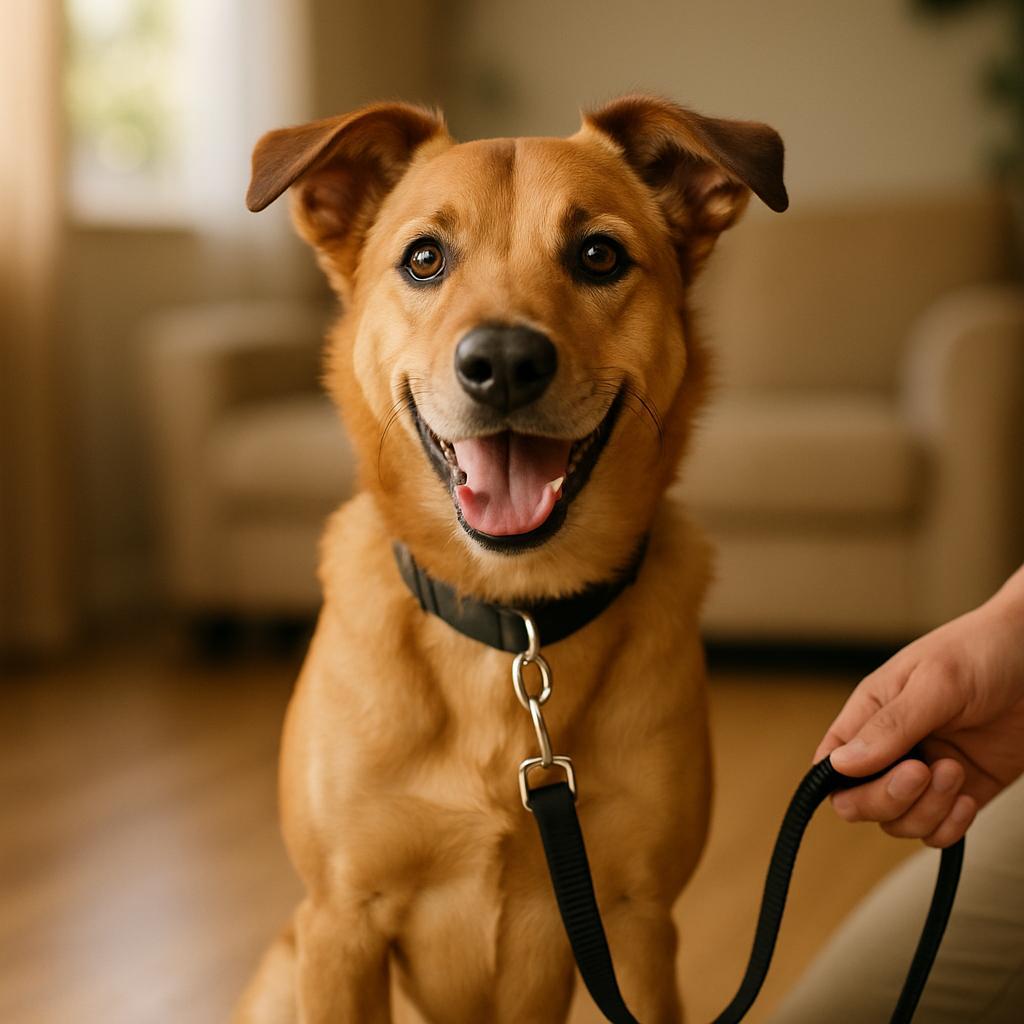
Begin training in a low-distraction environment, such as inside your home or in your backyard, to help your dog concentrate fully. Start by attaching the leash and allowing your dog to get used to the feeling. Walk a few steps with an excited and encouraging tone, rewarding your dog when they follow willingly without pulling.
Teach your dog a cue word like “heel” or “let’s go” to indicate it’s time to walk together. Whenever your dog starts to pull ahead,calmly stop walking and wait until the leash slackens. Only then resume walking. This will teach your dog that pulling delays the walk and loose leash walking helps them move forward.
Gradually increase the duration and complexity of your walks, introducing new environments once your dog is comfortable. If distractions cause your dog to pull, calmly redirect their attention back to you with treats or a favorite toy. Consistency is key – practice daily and celebrate small victories throughout your training journey.
Our Top Product Recommendations


Common Challenges and how to Overcome Them
Even with patience and consistency, leash training can present obstacles. One common challenge is your dog pulling excessively. if this happens, avoid jerking the leash or using punishment. Instead,practice the “stop-and-go” technique where you halt instantly when the leash tightens and only continue once the leash slackens.
Another difficulty many owners face is distractions. Dogs are naturally curious, and busy streets or parks can overwhelm them. To manage distractions, start training in quiet areas and gradually increase exposure. Carry high-value treats so you can redirect your dog’s attention back to you when they get distracted.
Lastly, if your dog shows signs of fear or anxiety during walks, consult with a professional trainer or veterinarian.They can offer tailored advice for helping your dog feel confident and secure while on leash, ensuring enjoyable walks for you both.
Frequently Asked Questions
How long does it take to leash train a dog?
The time it takes to leash train a dog varies depending on the dog’s age, temperament, and previous training. Some dogs may respond well within a few weeks of consistent practice,while others might need months of patience. Regular, positive sessions and gradual exposure to distractions help speed up the process.
should I use a harness or a collar for leash training?
Both collars and harnesses can be used for leash training, but many trainers recommend a front-clip harness for dogs that pull excessively as it provides better control without putting pressure on the neck. Make sure the equipment fits comfortably and never causes pain or irritation to your dog.
What should I do if my dog keeps pulling despite training?
If your dog continues to pull, reassess your training approach. Consistency and positive reinforcement are key. Consider shorter, more frequent training sessions, use high-value treats to maintain focus, and avoid extending the leash length. If needed,seek help from a professional trainer who can offer personalized guidance.
Conclusion
Training your dog to walk calmly on a leash takes patience, consistency, and kindness, but the payoff is well worth the effort. A leash-trained dog not only makes daily walks safer but also deepens your connection and makes outings enjoyable for everyone involved. Start with small steps, celebrate progress, and soon you will be sharing stress-free strolls filled with joy and companionship.