Introduction
Dog hot spots, also known as acute moist dermatitis, are a common skin condition that can cause discomfort and irritability in your furry friend. These irritated patches of skin usually appear suddenly and are often red, inflamed, and ooze fluids. As a loving dog owner, you want to provide rapid relief and healing for your pet without the immediate need for a veterinary visit.
Fortunately,many hot spots can be treated effectively at home with proper care and attention. Understanding how to identify,clean,and soothe these areas is crucial to preventing the condition from worsening. In this guide, we’ll walk you through practical and safe methods to treat dog hot spots at home for fast relief and healing.
Identifying and Cleaning Dog Hot spots
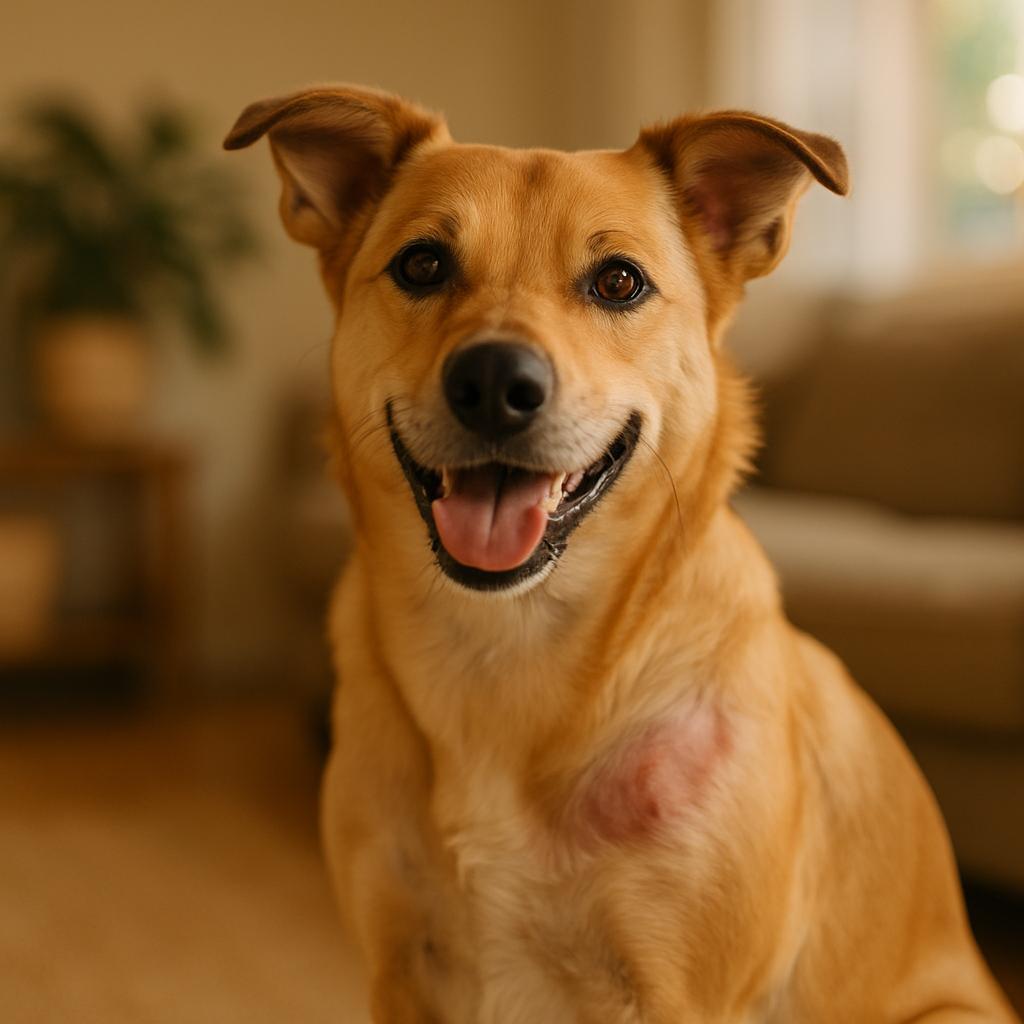
The first step in treating dog hot spots is correctly identifying the affected area. Hot spots often develop when your dog excessively licks, scratches, or bites a particular spot due to irritation, allergies, insect bites, or moisture trapped under the fur. You will notice a red,moist,and sometimes painful lesion that might even give off a foul odor if infected.
Once you have located the hot spot, gently clean the area to remove any dirt, debris, or discharge. Use a mild antiseptic solution or saline water to avoid further irritation. you can make a simple saline solution at home by mixing one teaspoon of salt in a cup of warm water. Use a clean, soft cloth or cotton ball to carefully dab the solution on the lesion. Avoid vigorous scrubbing as this can cause more inflammation.
after cleaning,gently pat the area dry with a clean towel. Keeping the hot spot dry is essential to help it heal quickly as moisture promotes bacterial growth and slows down recovery.
Soothing and Protecting the Hot Spot
after cleaning, it’s crucial to soothe the inflamed skin and protect it from your dog’s further licking or scratching. Applying a cold compress for 5-10 minutes can help reduce swelling and provide relief from itching or burning sensations. Be sure to wrap the compress in a soft cloth and never apply ice directly to your dog’s skin.
Next, apply a dog-safe anti-itch or healing ointment specifically designed for hot spots. These ointments often contain ingredients like aloe vera, hydrocortisone, or antibacterial agents that help reduce inflammation and promote faster healing. Avoid using human creams or products not intended for dogs as they could be toxic or harmful.
To prevent your dog from aggravating the spot, consider using an Elizabethan collar (cone) or a soft inflatable collar. This prevents licking and scratching that can worsen the hot spot or cause infection. Keep your dog’s nails trimmed to minimize damage from scrapes or bites at the affected area.
Our Top Product Recommendations
Maintaining Hygiene and Preventing Future Hot Spots
Proper hygiene and regular grooming routines are essential to prevent hot spots from recurring. Regular brushing helps remove mats and tangles that trap moisture on your dog’s skin. Additionally, effective flea and tick control is vital as parasitic bites are common triggers for hot spot development.
When bathing your dog, use a mild, hypoallergenic shampoo formulated for dogs with sensitive skin. Avoid excessive bathing as it can dry out the skin and worsen irritation. After baths, dry your dog thoroughly to prevent moisture build-up, especially in thick or long coats.
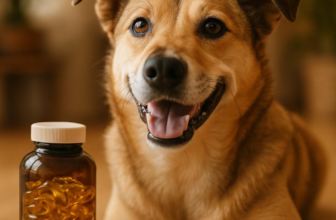
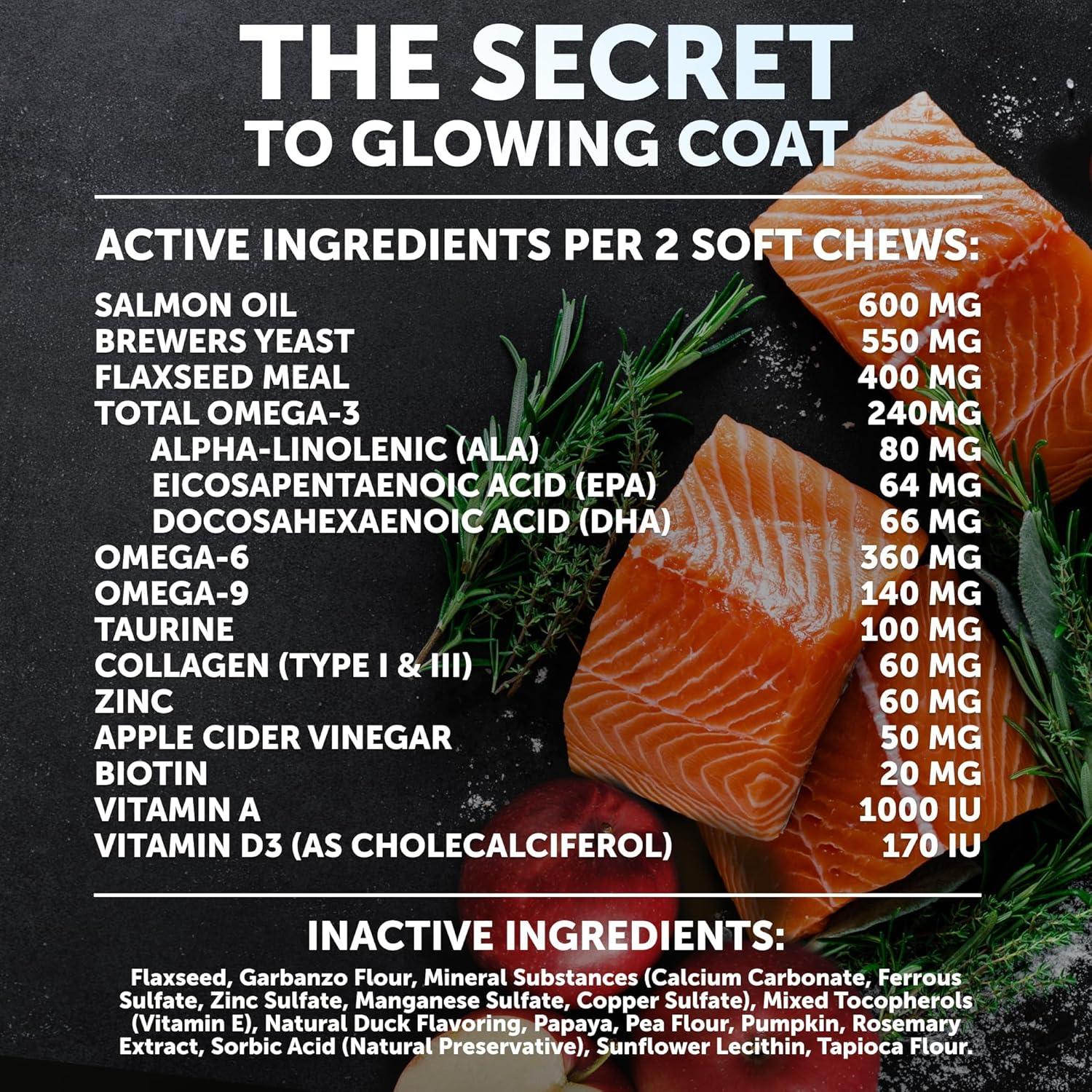
Keep an eye on any early signs of itching, redness, or excessive licking, and address these symptoms promptly. Dietary improvements that include omega-3 fatty acids and other supplements can also support skin health and reduce flare-ups.
Frequently Asked questions
How long does it take for a dog hot spot to heal at home?
With proper care, most dog hot spots begin to improve within a few days and can heal fully in about 1 to 2 weeks. However, healing time depends on the severity of the lesion and how well it is treated and protected from further irritation.
Can I use human medications on my dog’s hot spots?
It is not recommended to use human medications on dog hot spots without consulting a veterinarian. Some human creams, ointments, or oral medications can be toxic to dogs or may worsen the condition. Always use pet-safe products designed specifically for dogs.
When should I take my dog to the vet for hot spots?
If the hot spot is large, very painful, spreading rapidly, infected, or does not show signs of advancement after a few days of home treatment, it’s critically important to seek veterinary advice. Also, if your dog shows signs of fever, lethargy, or intense discomfort, professional care is necessary.
Conclusion
Dog hot spots can be uncomfortable for your pet, but with timely and proper home treatment, you can often help them heal quickly and reduce your dog’s discomfort. identifying the hot spot early, keeping the area clean and dry, applying appropriate soothing treatments, and preventing further irritation are key steps to a successful recovery.
Always monitor your dog’s progress closely and do not hesitate to consult a veterinarian if the condition worsens or does not improve. With patience, care, and the right products, your furry friend will be back to enjoying their happy, healthy self in no time.