Introduction
Dog diarrhea is a common issue that many pet owners face at some point. While it can be alarming to see yoru furry friend uncomfortable or upset, in many cases, dog diarrhea can be managed safely and effectively at home.Understanding the causes, symptoms, and proper treatment methods can definitely help you provide the best care and support for your dog’s digestive health.
This complete guide will walk you through practical home remedies, dietary adjustments, and supportive care tips to help your dog recover quickly from diarrhea. Whether it’s a mild upset stomach or a more persistent issue, these steps will help you manage the situation confidently while knowing when to seek professional veterinary advice.
understanding the Causes and Initial Steps to Treat Dog Diarrhea at Home
before treating dog diarrhea, it’s crucial to identify possible causes. Common triggers include dietary indiscretion (eating something they shouldn’t), sudden changes in diet, stress, infections, parasites, or allergies. While mild diarrhea can clear up on its own, persistent or severe diarrhea may indicate a more serious health issue that requires veterinary attention.
Once the initial cause is considered and ruled out, the first step in home treatment is to withhold your dog’s food for 12 to 24 hours, but continue providing plenty of fresh water to prevent dehydration. This short fasting period allows your dog’s digestive system to rest and begin healing. However, puppies, older dogs, or dogs with medical conditions should not be fasted without consulting a vet.
Hydration is key during this time. Diarrhea can lead to the loss of fluids and essential electrolytes, so you might want to offer an electrolyte solution designed for dogs or ice cubes to lick if your dog is reluctant to drink. Always monitor your dog closely for signs of dehydration such as dry gums, lethargy, or sunken eyes.
Dietary Management and Gentle Feeding Techniques
After the fasting period, it’s time to reintroduce food gradually. Start by feeding your dog a bland diet that is easy on the stomach. Common options include boiled, skinless chicken breast or turkey and plain white rice. This combination is gentle and helps bind the stool, promoting recovery. Avoid fatty foods, dairy, or treats during this time as they may worsen diarrhea.
Offer small amounts of this bland diet 3 to 4 times a day for about 3 to 5 days, gradually increasing portion size as your dog’s stools improve. If you notice any worsening of diarrhea or if your dog refuses the food,stop feeding and consult your veterinarian immediately. Once your dog’s digestive system stabilizes, you can slowly reintroduce thier regular food over several days.
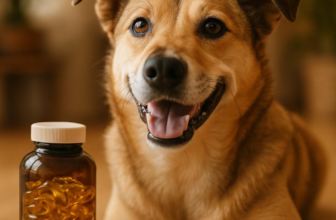
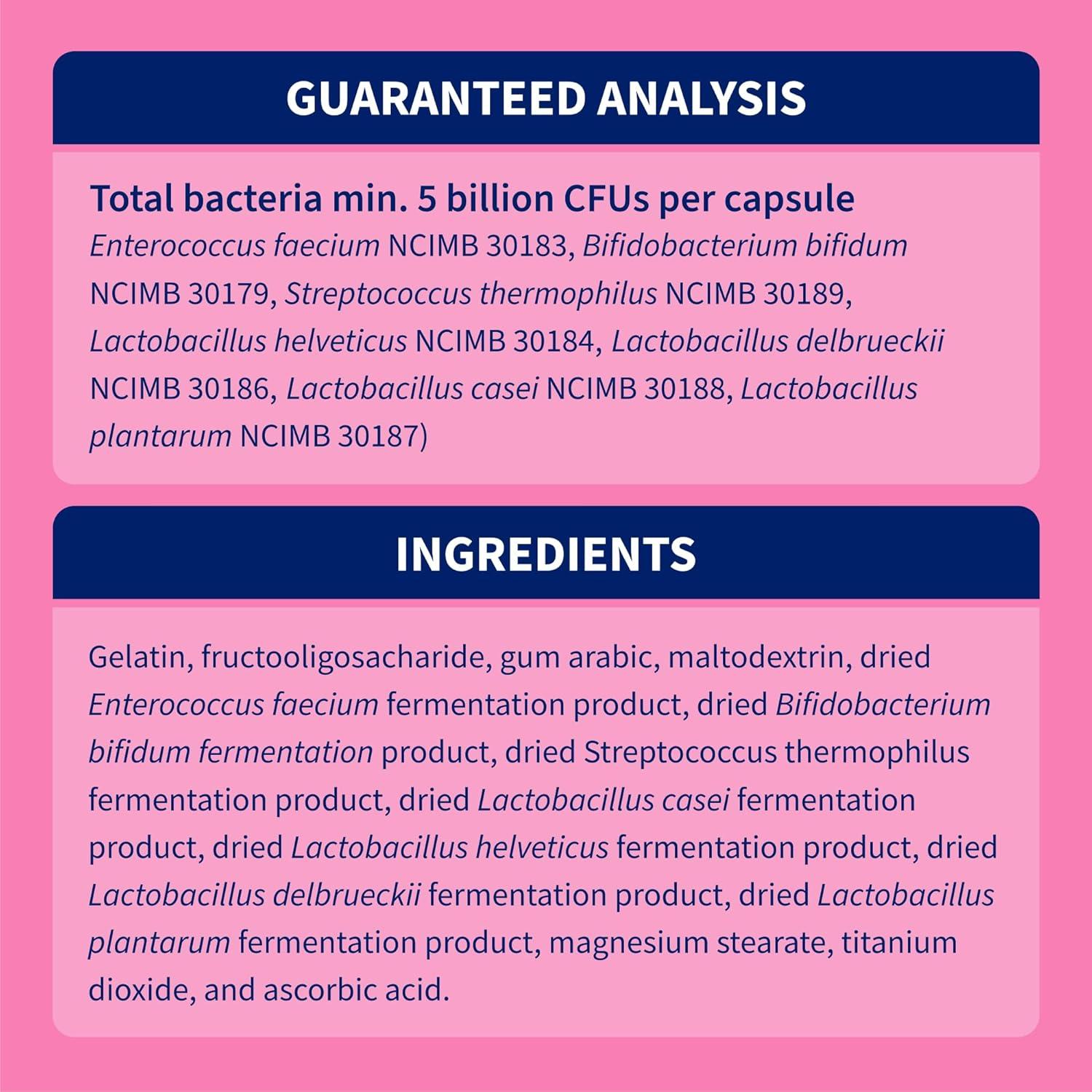
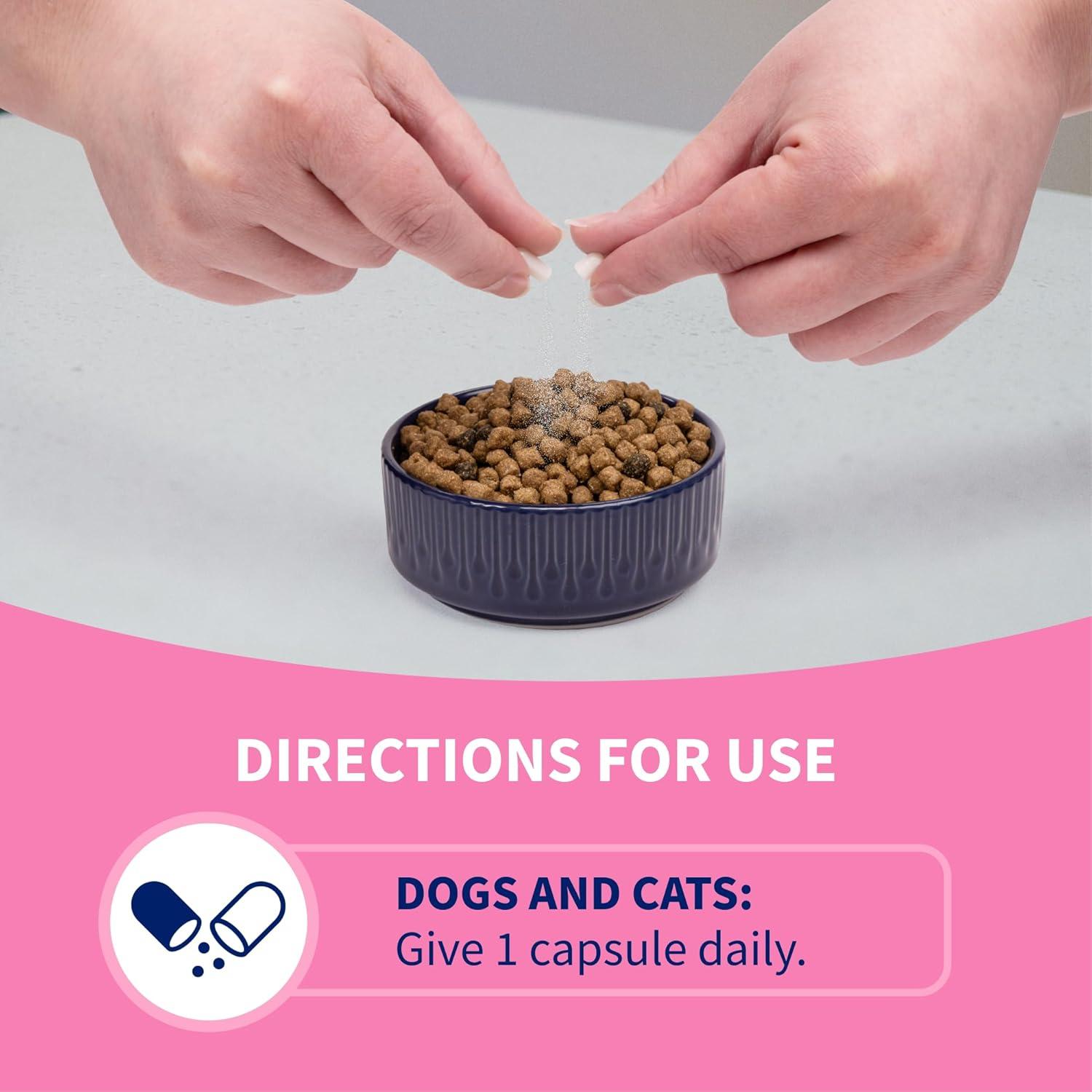
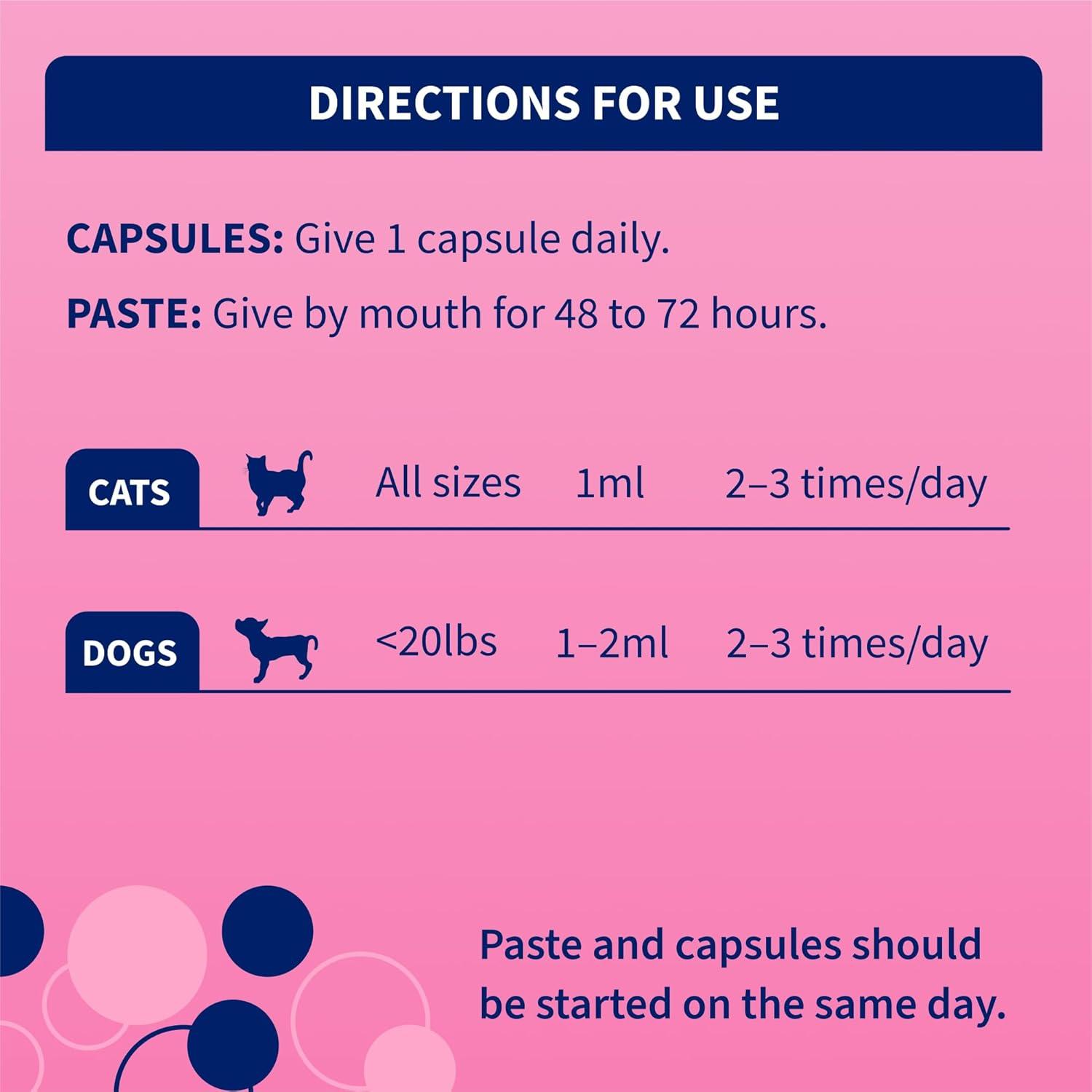
Probiotics can also be very helpful in restoring the natural balance of gut bacteria. These beneficial microbes aid digestion and combat pathogens that may be causing diarrhea. Look for probiotics formulated specifically for dogs, and follow dosing instructions carefully.
Our Top product Recommendations
when to Use Medication and Home Remedies Safely
In certain specific cases, home care alone isn’t enough, and your dog may benefit from over-the-counter remedies or veterinary-prescribed medications. Anti-diarrheal medications designed for dogs can sometiems help, but they should never be given without consulting your vet first, as some agents can be harmful or mask serious underlying conditions.
Natural remedies like pumpkin puree are popular because pumpkin is rich in fiber and can help bulk up stool. Plain canned pumpkin (not pumpkin pie filling) can be added to your dog’s food in small amounts to promote digestive health. Though, do avoid home treatments involving human medications or supplements unless explicitly advised by your veterinarian.
Always observe your dog for changes in condition such as blood in stool, vomiting, lethargy, fever, or signs of pain. These symptoms warrant immediate veterinary evaluation.A healthy recovery at home is about balancing supportive care with vigilance and timely professional guidance.
Frequently Asked Questions
How long does dog diarrhea usually last at home?
Mild diarrhea typically resolves within 2 to 3 days with proper home care including fasting and a bland diet. Though, if diarrhea persists longer than 48 hours or worsens, it’s critically important to consult a veterinarian.
Can I give my dog human anti-diarrhea medicine?
No,human medications for diarrhea can be toxic or unsafe for dogs. Always contact your veterinarian before giving any medication to your pet to ensure it’s appropriate and safe.
When should I take my dog to the vet for diarrhea?
If your dog shows symptoms like blood in the stool, severe lethargy, vomiting, dehydration signs, or diarrhea lasting more than two days, seek veterinary care promptly. Puppies, senior dogs, and dogs with preexisting health issues should be seen sooner.
Conclusion
Dog diarrhea can be distressing for both you and your pet, but frequently enough it can be managed effectively with attentive care at home. By fasting appropriately, offering a gentle diet, maintaining hydration, and introducing probiotics, you can support your dog’s recovery safely.
Remember to monitor your dog closely and seek veterinary help if symptoms persist or worsen. With the right approach, you can help your dog get back to their happy, healthy self in no time.