Introduction
dogs are cherished companions known for thier loyalty and affectionate nature. Though, like humans, dogs can experience anxiety which may negatively impact their well-being and behavior. Understanding the symptoms of dog anxiety is essential for any pet owner who wants to ensure their furry friend feels safe, relaxed, and happy in everyday situations.
In this complete guide, we will delve into common signs of anxiety in dogs and explore effective treatment options to help manage and alleviate their stress. Whether your dog is prone to separation anxiety, noise phobia, or other triggers, this post will equip you with the knowledge and tools to provide the best care possible.
Recognizing Common Dog Anxiety Symptoms
Dog anxiety can manifest in manny ways, and it’s crucial for owners to identify these symptoms early on to prevent worsening conditions. Some of the most noticeable signs of anxiety include excessive barking or whining, pacing, shaking, drooling, and destructive behavior when left alone. These outward behaviors are often cries for help as your dog struggles to cope with fear or discomfort.
Other subtle indicators include changes in appetite or bathroom habits, avoidance of certain areas or people, and increased clinginess or restlessness. Because dogs cannot verbally communicate their feelings, recognizing these behavioral changes is key to diagnosing anxiety issues. Pay close attention to what triggers your dog’s stress such as loud noises,unfamiliar environments,or separation from you,which can help tailor appropriate treatment plans.
Effective Treatment Options for Dog Anxiety
Treating dog anxiety involves a combination of behavioral management,environmental changes,and sometimes medical intervention.Behavioral training techniques such as desensitization and counterconditioning can gradually help your dog build tolerance toward anxiety-inducing stimuli. Working with a professional dog trainer or a behaviorist is recommended to ensure these methods are applied effectively and humanely.
Environmental enrichment is also vital. Providing a safe space like a comfortable crate, puzzle toys, or soothing music can significantly reduce anxiety levels. Additionally, increasing physical activity through regular walks and playtime helps burn off nervous energy and promote calmness.
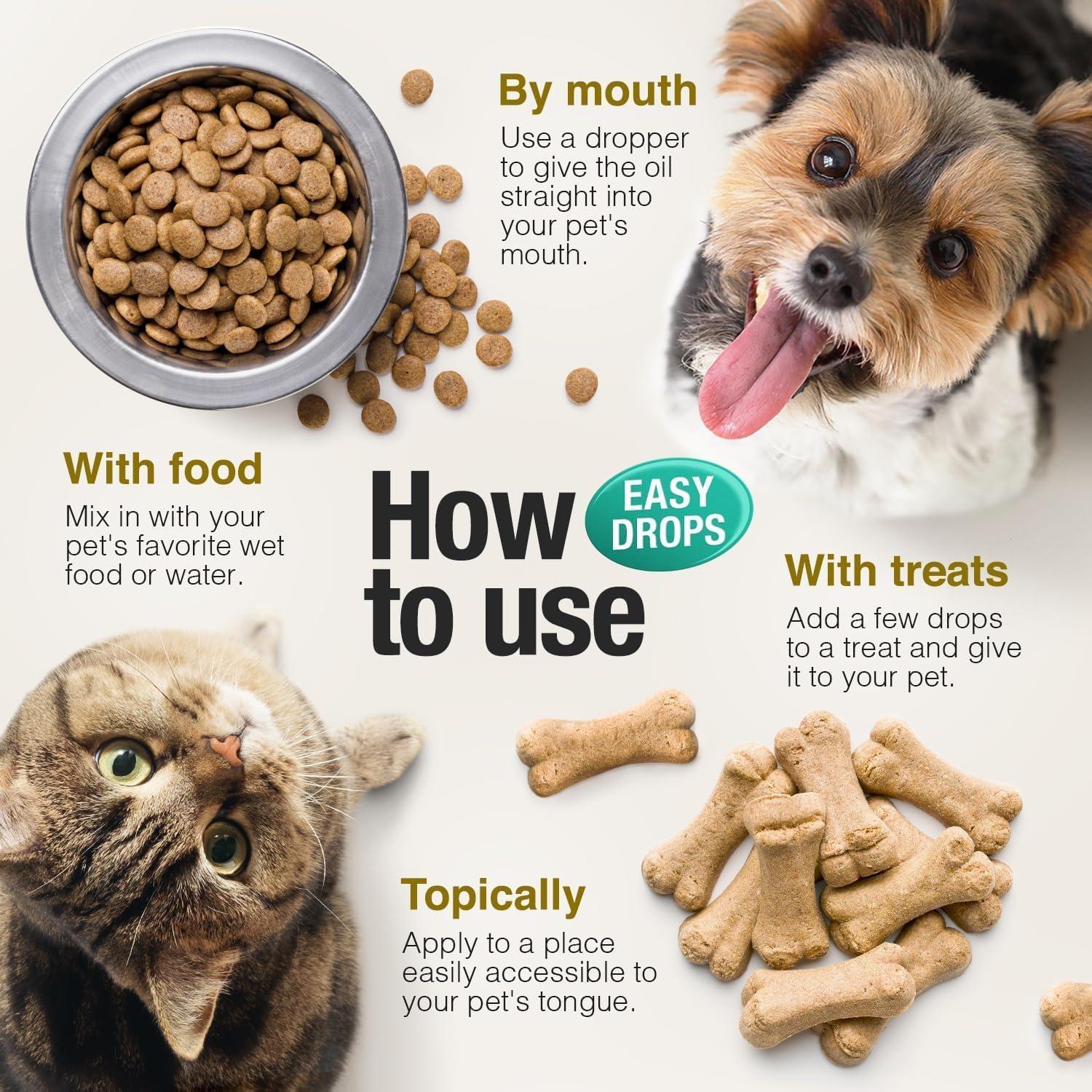
In more severe cases, veterinarians may reccommend anxiety-relief medications or natural supplements. These products should always be used under veterinary guidance to ensure safety and effectiveness tailored to your dog’s specific needs.

Our Top Product Recommendations

Behavioral Techniques to Manage dog Anxiety
Consistent behavioral training plays a crucial role in managing dog anxiety. One effective technique is desensitization, which involves gradually exposing your dog to the anxiety trigger at low levels while rewarding calm responses. Over time, this helps reduce the emotional reaction by building positive associations.
Counterconditioning pairs the anxiety-inducing stimulus with something your dog loves, such as treats or play, shifting their emotional response from fear to pleasure.Training sessions should be kept short and positive to prevent overwhelming your dog.
Patience is key, as progress can be slow but steady with these methods. Combining behavioral strategies with environmental adjustments and supportive products often yields the best results for anxious dogs.
Frequently Asked Questions
How can I tell if my dog has separation anxiety?
If your dog exhibits distress behaviors like excessive barking, destructive chewing, pacing, or accidents in the house mostly when left alone, they may suffer from separation anxiety. the intensity of these symptoms and how they worsen during your absence are good indicators to observe.
Are natural supplements safe for treating dog anxiety?
Many natural supplements such as hemp oil, chamomile, and valerian root are considered safe and can be effective for mild anxiety. However, it is essential to consult with a veterinarian before starting any supplement to ensure proper dosage and to avoid interactions with other medications your dog might be taking.
Can exercise help reduce my dog’s anxiety?
Absolutely. Regular exercise is beneficial in managing anxiety by releasing pent-up energy and increasing endorphin production, which naturally improves mood. Activities like walking, running, and interactive play can help keep your dog physically and mentally balanced.
Conclusion
understanding and identifying the symptoms of dog anxiety is vital to providing the compassionate care your pet deserves. With consistent observation and timely intervention, most dogs can lead calm, comfortable lives despite their anxiety challenges. Employing behavioral training, environmental adjustments, and safe treatment options will empower you to support your dog’s emotional health effectively.
Remember, patience and love are your most valuable tools in helping your dog overcome anxiety. Together with the right approach, you can create a safe surroundings where your furry friend feels secure and relaxed every day.