Introduction
As a loving dog owner, seeing your furry friend struggle with paw problems can be upsetting and worrying.Dogs rely heavily on their paws not only for mobility but also for exploring their surroundings, so keeping their paws healthy is essential for their overall well-being. Common paw issues include cuts, irritations, infections, and allergies that can cause discomfort and affect your dog’s daily activities.
The good news is that many dog paw problems can be treated effectively and safely at home with the right knowledge and care. In this guide, we’ll explore practical home treatment methods, important precautions, and recommended products that can help you manage various paw concerns. Weather your dog’s paws are cracked, sore, itchy, or inflamed, we’re here too help you bring relief and comfort to your four-legged companion.
Identifying Common Dog Paw Problems and Their Causes
Before you start any treatment at home, it’s crucial to identify the specific problem affecting your dog’s paws. Some of the most common issues include cuts or abrasions from rough terrain,cracked paw pads due to dryness or exposure to harsh elements,fungal or yeast infections,and allergic reactions to environmental factors. Each condition will require slightly different care, and understanding the cause helps you choose the most appropriate treatment.
Such as, your dog might develop redness, swelling, or discharge in between the pads or toes if an infection is present. Allergies, conversely, often cause your dog to lick or chew their paws excessively, leading to further irritation. Regularly inspecting your dog’s paws after walks and playtime can help you catch problems early. Look for signs like limping, swelling, excessive licking, bleeding, or unusual smells. Early intervention often prevents more serious complications.
Home Remedies and Care Tips to Treat Dog Paw Issues
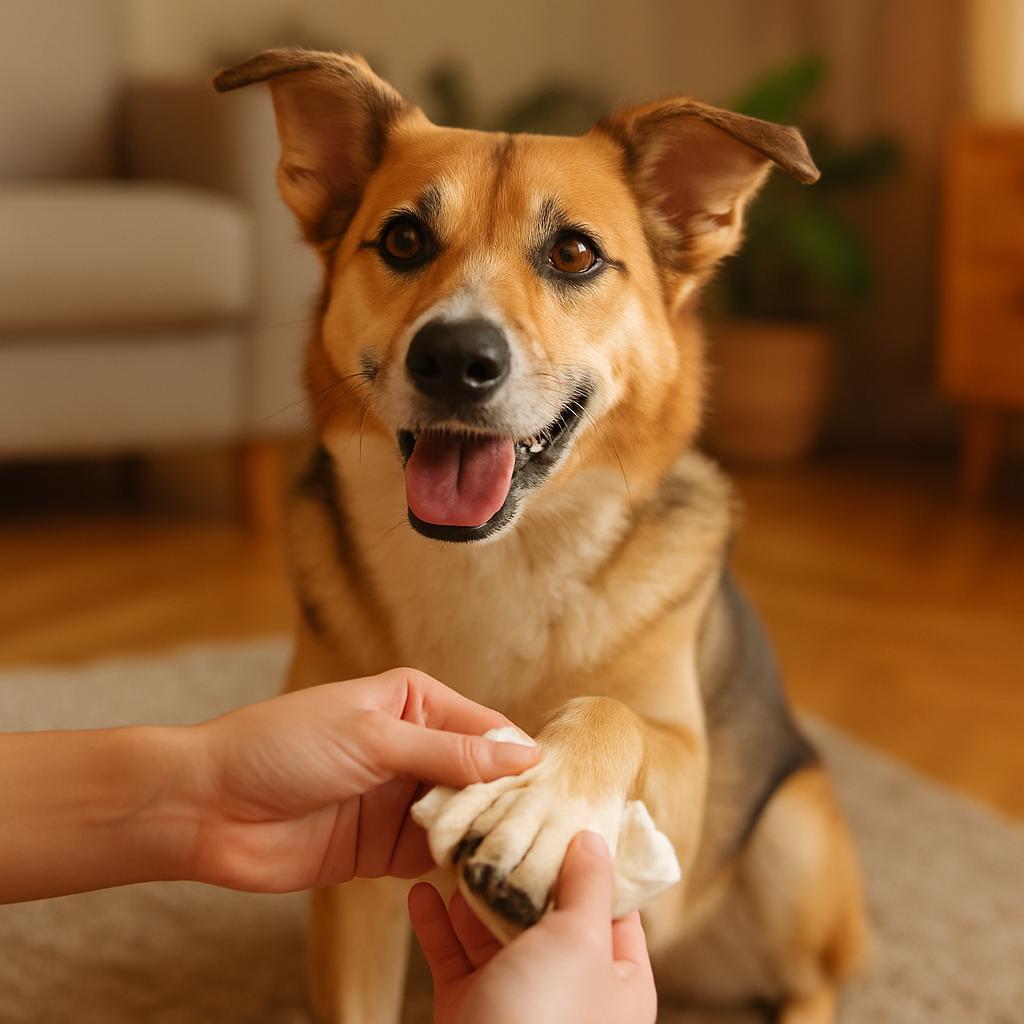
Once you have identified the problem, several home remedies and care tips can help soothe and heal your dog’s paw troubles. For minor cuts and wounds, clean the affected area gently with warm water and mild antiseptic solutions recommended for pets. Avoid using human antiseptics like hydrogen peroxide without veterinary advice, as they may delay healing. After cleaning, apply a dog-safe antibiotic ointment and keep the paw clean and dry.
For dry and cracked paws, moisturizing is key.Use specially formulated paw balms or natural oils like coconut oil to hydrate and protect the pads. Regular submission helps maintain the skin’s barrier against rough surfaces and whether conditions. If your dog suffers from itching or fungal infections,you may consider soothing oatmeal soaks or apple cider vinegar rinses diluted with water,but avoid open wounds.
Additionally, keeping your dog’s nails trimmed and fur between the pads well-groomed can prevent discomfort and reduce the chance of infections. During walks,avoid extreme hot or cold surfaces and clean your dog’s paws instantly afterward to remove debris and chemicals,such as road salt or pesticides.
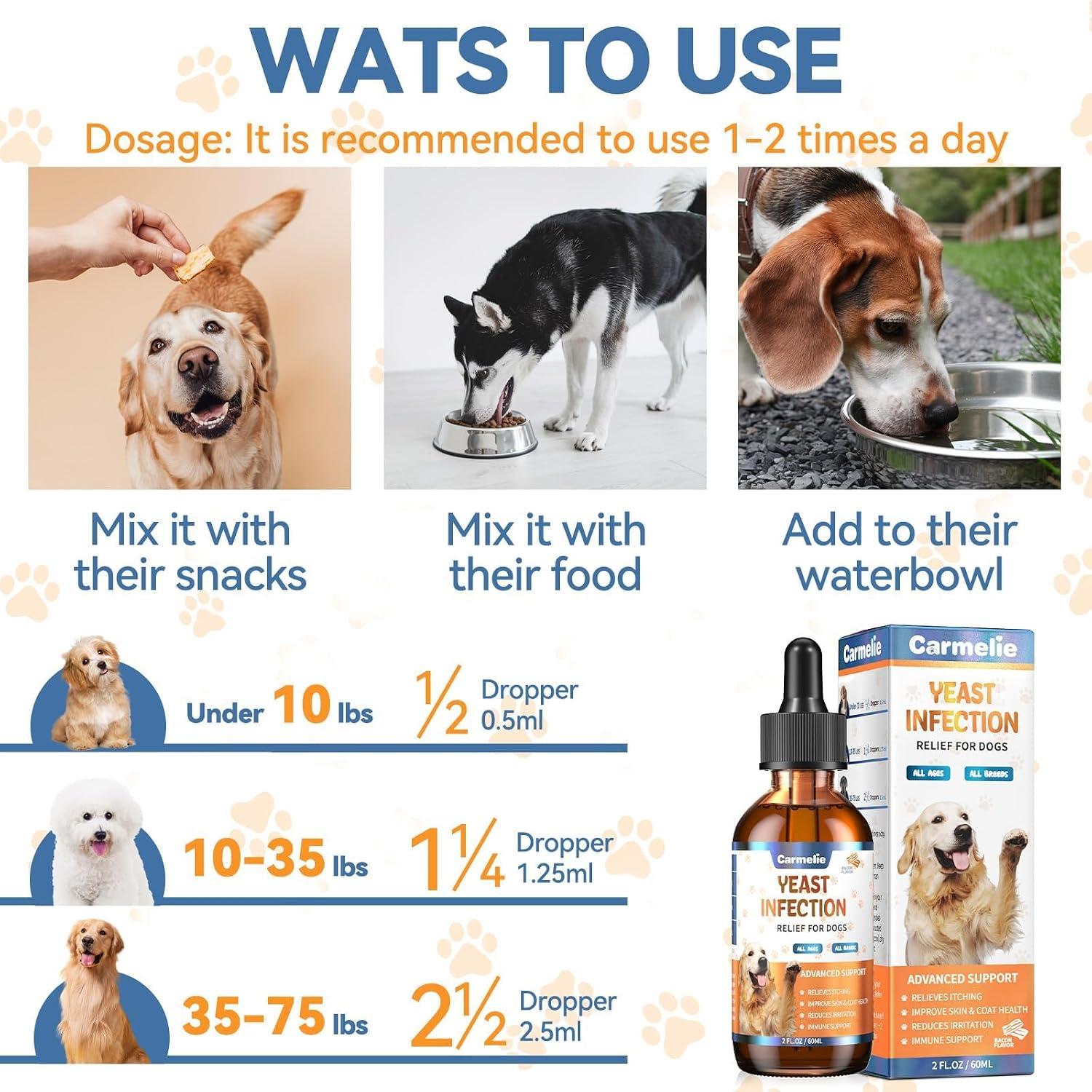
Our Top Product Recommendations


Preventive Measures to Keep Your Dog’s Paws Healthy
Prevention is always better than cure when it comes to your dog’s paw health. One of the best ways to prevent paw problems is to regularly inspect and clean your dog’s feet, especially after outdoor activities. Removing dirt, ice, salt, or other irritating substances from the paws helps avoid infections and skin damage.
Investing in protective gear like dog booties can be extremely helpful during extreme weather conditions or rough terrains. Booties offer a barrier from hot pavement, cold snow, thorns, and chemicals. Additionally, maintaining a healthy diet rich in fatty acids supports skin and coat health, which in turn helps keep paw pads resilient and moisturized.
Routine grooming is important not just for aesthetics but for your dog’s comfort and health. Trimming fur between the paw pads prevents matting and debris accumulation, and regular nail trimming helps avoid abnormal weight distribution on the paws. If you notice persistent paw licking or limping despite home care, consulting with a veterinarian is crucial for proper diagnosis and treatment.
Frequently Asked Questions
how can I tell if my dog’s paw problem requires a vet visit?
If your dog’s paw has deep wounds, persistent swelling, excessive redness, foul odor, or they are limping severely, these signs suggest a more serious problem needing veterinary attention. Also, if home treatments don’t improve the condition within a few days, it’s best to seek professional help.
Is it safe to use human creams or antiseptics on dog paws?
Many human creams and antiseptics contain ingredients harmful to dogs or may delay healing. Always use pet-specific products or consult your vet before applying any treatments on your dog’s paws. Certain human medications can cause irritation or allergic reactions in dogs.
What should I do if my dog keeps licking or chewing their paws excessively?
Excessive licking or chewing usually indicates discomfort caused by allergies, infection, or irritation. It’s important to clean the paws gently and keep them dry. You may use soothing treatments or anti-itch products designed for dogs. However, persistent behavior should be evaluated by a vet to identify and treat the underlying cause effectively.
Conclusion
taking care of your dog’s paws at home is both manageable and rewarding with the right tools and knowledge.Timely identification of problems, appropriate treatment, and preventive care can significantly improve your dog’s comfort and health. By following safe home remedies, using recommended products, and maintaining good paw hygiene, you can help your dog enjoy happy, pain-free walks and playtimes.
Always remember, while many paw issues can be treated at home, consulting your veterinarian in case of severe or persistent symptoms is essential to ensure your pet receives the best care possible. Your dog deserves healthy paws for a happy, active life!