
Introduction
Heartworm disease is a serious and potentially fatal condition that affects dogs worldwide. Caused by parasitic worms transmitted through mosquito bites, heartworms lodge in the heart and lungs, leading to important health complications if left untreated. For dog owners, prevention is not only a priority but an essential part of responsible pet care to keep their furry friends safe and healthy.
With a variety of heartworm prevention options available, choosing the best method tailored to your dog‘s needs can be overwhelming. In this comprehensive guide, we’ll explore the top heartworm prevention strategies, the importance of regular testing, and recommend trusted products that offer reliable protection.
Understanding Heartworm and Why Prevention Matters
Heartworms (dirofilaria immitis) are transmitted primarily by mosquitoes. When an infected mosquito bites a dog,microscopic larvae enter the bloodstream and develop into adult worms over several months. These adults settle in the heart,lungs,and associated vessels,causing damage that can culminate in heart failure,lung disease,and death if untreated.
The good news is that heartworm disease is entirely preventable through consistent administration of preventive medications. Because treatment for heartworm is complicated, expensive, and poses risks to your dog’s health, prevention is always the best approach. Regular heartworm prevention not only protects your pet but also contributes to community health by reducing transmission rates.
Types of Heartworm Prevention for Dogs
Heartworm prevention comes in several forms, including oral tablets, topical treatments, and injectables. Each type has its benefits and considerations depending on your dog’s lifestyle, health, and your preferences as a pet owner.
Oral Medications: These are given monthly and often combine heartworm prevention with protection against intestinal worms. They are easy to administer but may require training if your dog is a picky eater.
Topical Treatments: Applied directly to your dog’s skin, these medications provide protection against heartworms, fleas, ticks, and mosquitoes. They’re less invasive and convenient for dogs that dislike pills.
Injectable Preventives: An injectable heartworm preventative like ProHeart is administered by a veterinarian and offers protection for six or twelve months. This option is ideal for owners who might forget monthly doses, ensuring consistent protection.
Our Top Product Recommendations


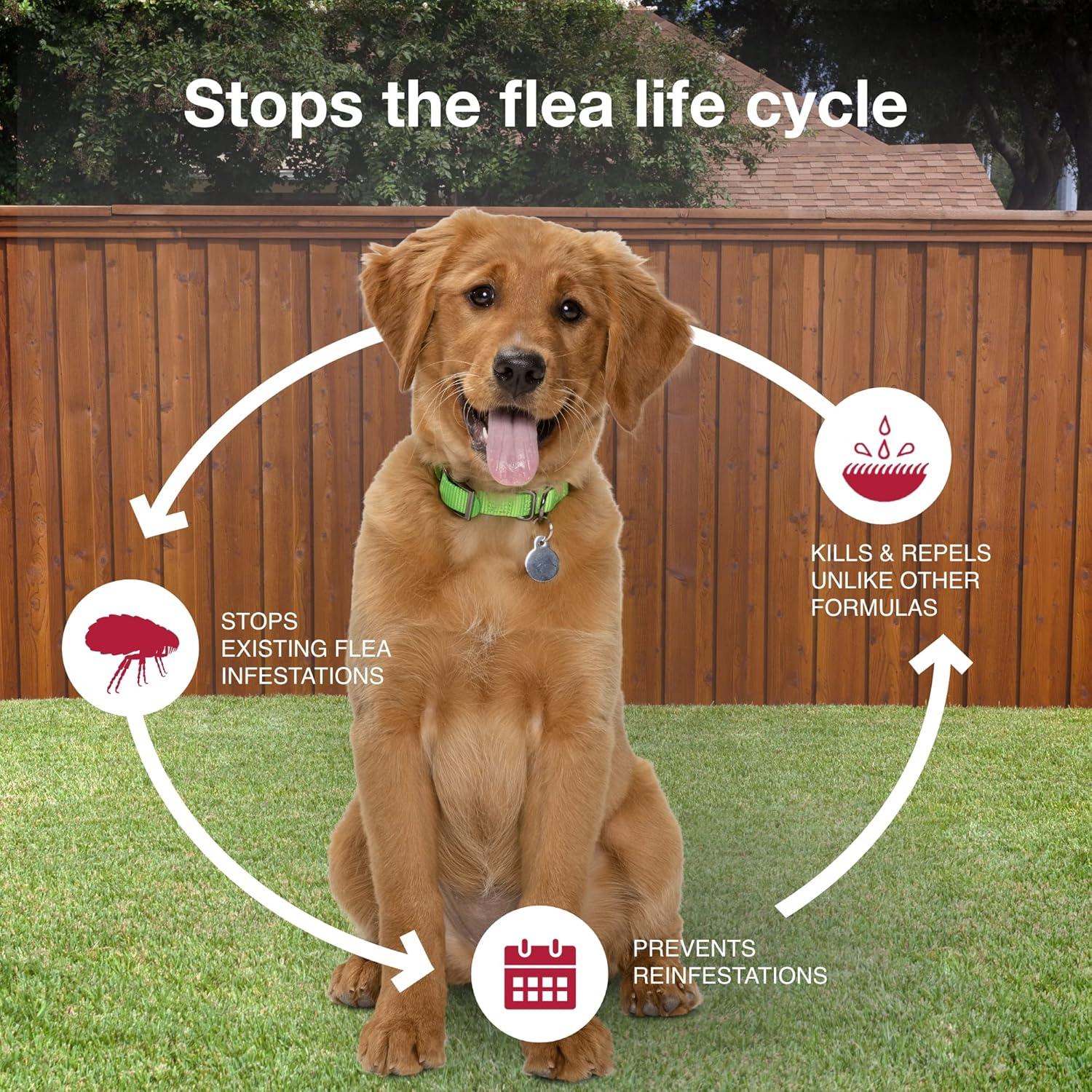
How to Choose the Best Heartworm Prevention for Your Dog
Choosing the right heartworm preventive depends on several factors including your dog’s size, age, health status, and your living environment. If you live in an area with a high mosquito population,it’s especially important to maintain year-round protection.
Consulting your veterinarian is crucial-they can recommend the most appropriate prevention based on your pet’s specific health needs. Some dogs may have allergies or sensitivities to certain medications, requiring alternative treatments. Additionally, the convenience of monthly treatments versus long-lasting injectables may influence your decision.
Be sure to purchase heartworm preventives from reputable suppliers and never skip doses. Consistency is key to effective protection, so set reminders or incorporate dosing into your pet’s routine to avoid missed treatments.
Frequently Asked Questions
How frequently enough should I give my dog heartworm medication?
Most heartworm preventives are given monthly; though, your veterinarian may suggest an injectable treatment that protects your dog for six or twelve months. It’s important to follow the prescribed schedule exactly to ensure continuous protection.
Can heartworm prevention protect against other parasites?
Many heartworm preventives also target other parasites such as fleas, ticks, and intestinal worms. Products like K9 Advantix II provide comprehensive protection, wich helps reduce the need for multiple medications.
Is heartworm disease treatable if my dog gets infected?
Treatment for heartworm disease is available but can be risky,costly,and requires strict veterinary supervision. early prevention is much safer and more effective than trying to treat an established infection, which can have serious health implications for your dog.
Conclusion
Protecting your dog from heartworm disease is one of the most critically important aspects of maintaining their health and well-being. By understanding the risks, the types of preventives available, and adhering to a consistent prevention schedule, dog owners can significantly reduce the chances of heartworm infection.
Remember, working closely with your veterinarian to select the best product and ensure thorough protection is the key to keeping your canine companion safe, happy, and healthy for years to come.