Introduction
Bringing a rescue dog into your home is a rewarding experience filled with love, compassion, and new beginnings. Though, training a rescue dog can be a unique and sometimes challenging journey, especially as many rescue dogs come with their own set of past experiences and behaviors. Patience,understanding,and consistent training are key to helping your rescue dog transition smoothly and thrive in their new environment.
This step-by-step guide is designed to help dog owners successfully train their rescue dogs at home. Whether you have a puppy or an adult dog, following these proven techniques will build trust, improve obedience, and strengthen your bond, making your rescue dog’s adjustment easier and more fulfilling for both of you.
Understanding your Rescue Dog’s Needs
Before diving into training, it is indeed essential to understand your rescue dog’s background and current emotional state. Many rescue dogs have endured trauma, neglect, or unstable living situations, which can affect their behavior and willingness to learn. Observing your dog’s body language and reactions to new situations will provide valuable insight into their comfort level and areas where they may need extra support.
Building trust is the foundation of all training efforts. Spend quality, calm time with your rescue dog to establish a bond that reassures them they are safe in your care. This trust paves the way for successful training sessions where your dog feels secure and motivated to participate and learn.
Each rescue dog is unique, so be ready to adapt your training methods to fit their individual personality and needs. Keep training sessions short, positive, and rewarding to prevent overwhelming your furry friend.
Step-by-Step Training Techniques for Rescue Dogs
Start with basic commands such as “sit,” “stay,” “come,” and “leave it.” Use positive reinforcement methods like treats, praise, and affection to reward desirable behaviors. Rescue dogs respond best to gentle encouragement rather than harsh corrections.
Establish a consistent routine that includes feeding, walks, and training sessions. Routine creates structure, which helps reduce anxiety in rescue dogs and fosters better learning. Aim for 5 to 10-minute training moments multiple times a day to keep your dog engaged without fatigue.
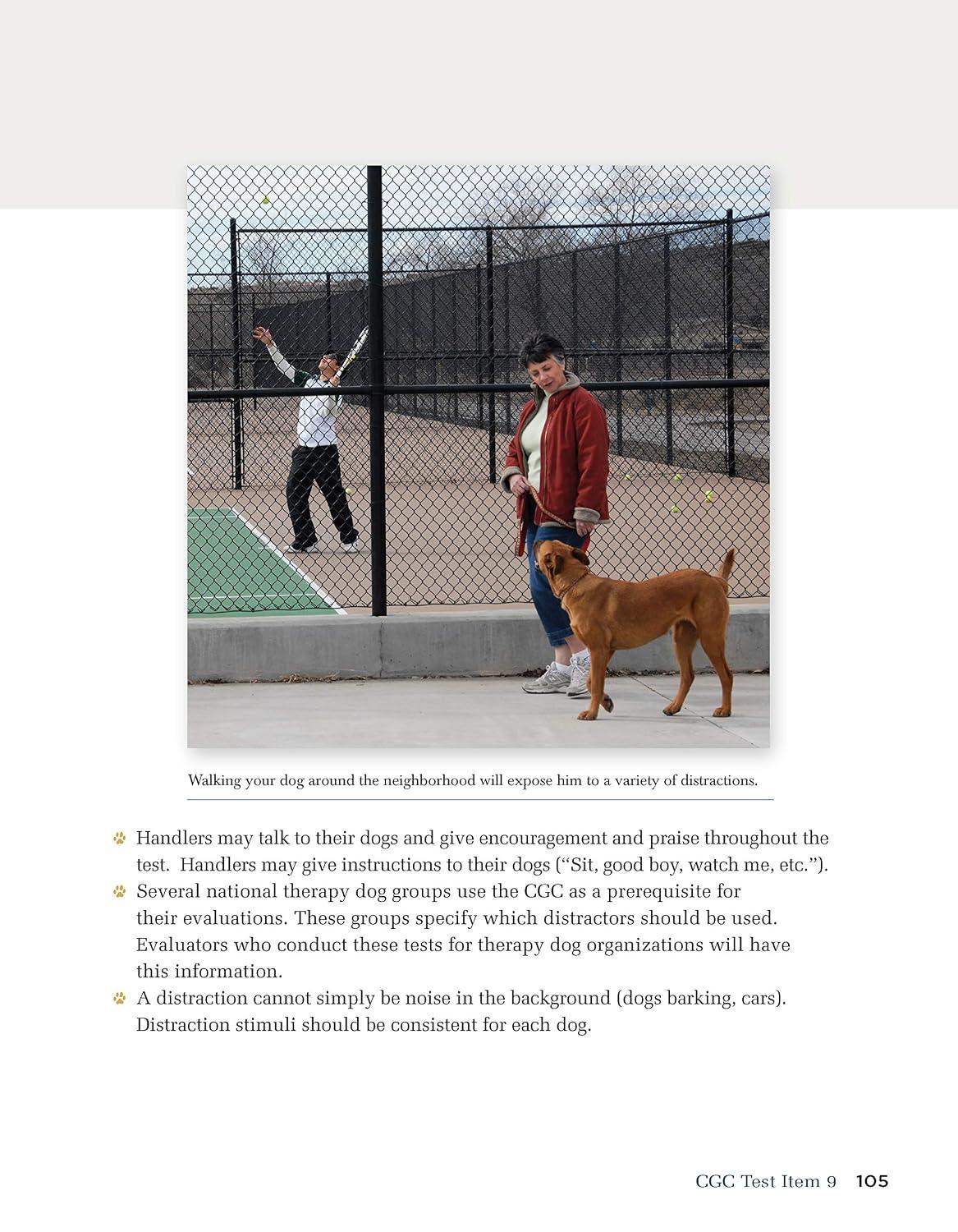
Socialization is another critical aspect of training. Gradually introduce your rescue dog to new people, environments, and othre pets, always ensuring these encounters are positive and stress-free. Socialization enhances your dog’s confidence and helps prevent fear-based behaviors.
Our Top Product Recommendations


Handling Common Challenges with rescue Dogs
It’s common to face challenges such as fear, aggression, or anxiety when training a rescue dog. Understanding that these behaviors often stem from past trauma or fear is important as you approach training with empathy and care. Avoid punishment and focus on creating positive associations with training and daily life.
When addressing behavioral issues, consistency and gradual desensitization techniques work best. For example, if your dog is fearful of loud noises, try exposing them to these sounds at a low volume from a distance and reward calm behavior. Slowly increase exposure over time while monitoring your dog’s comfort level.
Don’t hesitate to seek professional help if behavioral problems persist or worsen. Certified dog trainers with experience in rescue dog behavior can offer tailored strategies to support you and your dog on the road to success.
Frequently Asked Questions
How long does it take to train a rescue dog at home?
The timeline varies based on your dog’s age, background, and temperament. Some rescue dogs adapt quickly within a few weeks, while others may take months. Patience and regular practice are key to long-term success.
What should I avoid when training a rescue dog?
Avoid using harsh punishments or negative reinforcement,which can damage trust and increase fear or aggression. Rather, use positive reinforcement, patience, and consistency to encourage good behavior.
Is it necessary to crate train my rescue dog?
Crate training can be very beneficial for rescue dogs as it provides a safe, quiet space they can retreat to. It also helps with house training and preventing destructive behaviors when unsupervised. Make sure to introduce the crate gradually and positively.
Conclusion
Training a rescue dog at home is an enriching journey that requires patience, understanding, and consistency. by focusing on building trust, using positive reinforcement, and tailoring your approach to your dog’s unique needs, you will foster a loving and well-behaved companion. Remember, every small step forward is a success and strengthens the bond you share with your rescue dog.
Embrace the challenges and celebrate the progress, knowing that your dedication is helping a deserving dog build a brighter, happier future alongside you.