
Introduction
teaching your dog to speak and be quite on command is a fantastic way to improve communication,build trust,and deepen the bond between you and your furry friend. these simple commands not only help manage your dog’s behavior but also make interactions with your pet more enjoyable and less stressful. Whether you have a boisterous pup or a quieter canine companion, training your dog to speak and quiet effectively can benefit both your home environment and your dog’s overall discipline.
In this blog post, we will walk you through step-by-step techniques on how to teach your dog these essential commands using positive reinforcement. We’ll also share tips for troubleshooting common challenges, making this training process easier and more enjoyable for you and your dog. Let’s get started on fostering better communication with your beloved dog!
Understanding the Basics of Teaching Your Dog to Speak and Quiet
The first step in training your dog to speak and quiet effectively is understanding what these commands mean and when to use them. Teaching “speak” encourages your dog to bark on command, which can be useful for alerting you or gaining attention. Conversely, the “quiet” command is essential for managing excessive barking and instilling calm behavior.
Before beginning training, it’s crucial to observe your dog’s natural tendencies. Some dogs are naturally vocal while others may be more reserved. Tailoring your training approach based on your dog’s personality ensures better results. patience and consistency are key factors in helping your dog grasp the difference between barking when asked and being quiet when told.
Remember, communication through barking is normal for dogs, but unwanted barking can quickly become problematic for owners and neighbors. By teaching these commands, you’re providing your dog with structured ways to express themselves, which can reduce anxiety and frustration for both of you in the long run.
Step-by-Step Guide to Teaching the “Speak” Command
Teaching your dog to speak on command can be both fun and rewarding. Start by choosing a quiet environment free from distractions to help your dog focus. Use high-value treats and a clicker if you have one to reinforce the behavior promptly. Begin by prompting your dog to bark naturally-this can often be triggered by getting them excited with a toy or knocking on a door.
When your dog barks, mark the behavior with a consistent cue such as “speak” and reward them instantly with praise and a treat. repeat this several times over short training sessions. Your goal is for your dog to associate the word “speak” with the act of barking. Be careful not to encourage excessive barking; short, controlled practice works best.
As your dog gets the hang of it, start increasing the time between the cue and the reward. This helps reinforce self-control and understanding. Always end sessions positively to ensure your dog looks forward to training and associate it with good things.
Our Top product Recommendations
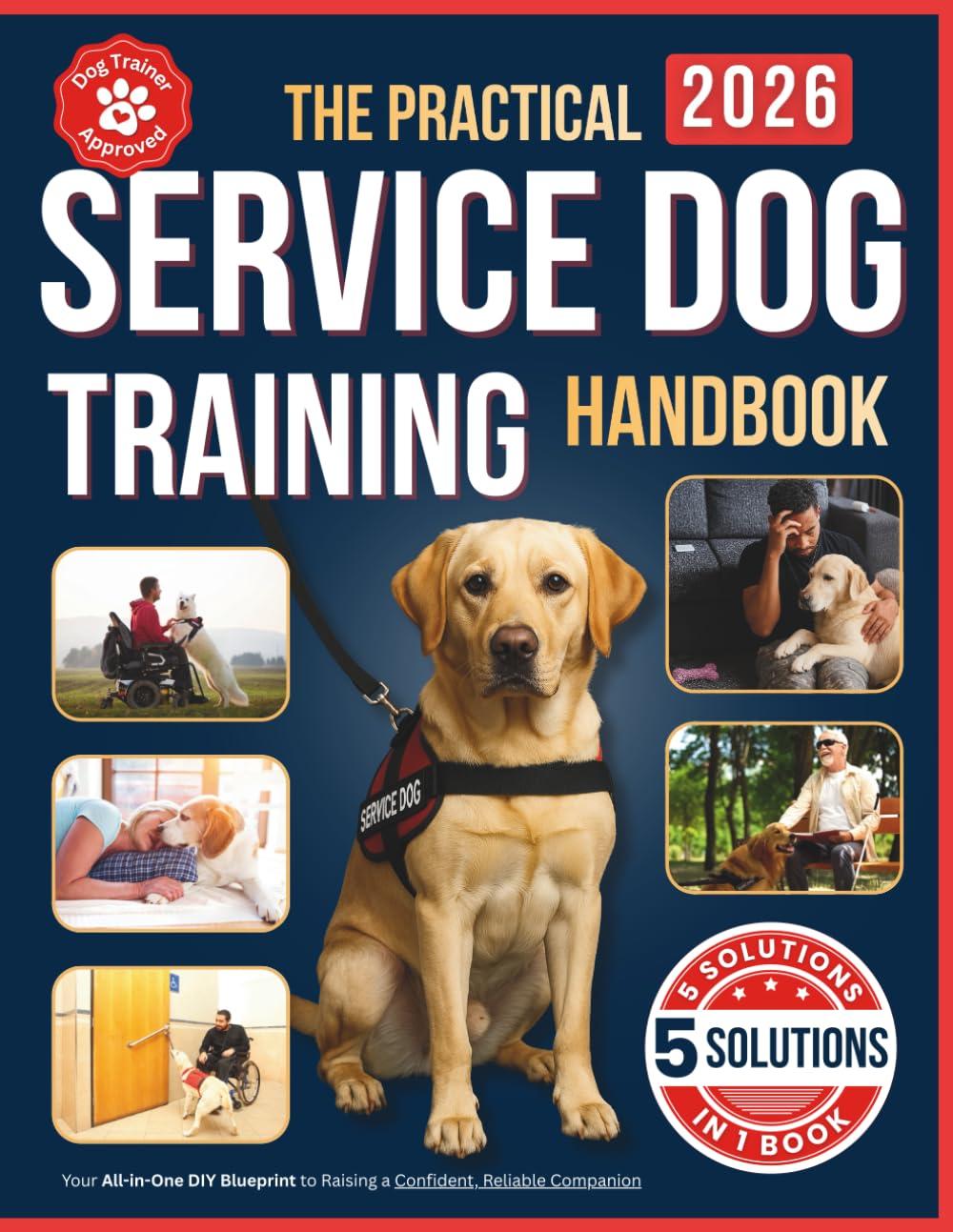


Training Your Dog to Respond to the ”Quiet” Command
Once your dog understands how to speak on command, teaching the “quiet” command becomes easier and even more powerful. Start by allowing your dog to bark naturally or using the “speak” command if previously taught.The moment they begin barking, calmly say “quiet” in a firm but gentle tone. The goal is for your dog to associate the command with stopping barking.
If your dog stops barking, immediately praise them and offer a treat as a reward. Initially, it might take a few seconds of silence before the reward, but be consistent and patient. Avoid raising your voice or getting frustrated, which can confuse or scare your dog.
Practice the “quiet” command multiple times a day during different situations where your dog might feel inclined to bark. Consistent training helps reinforce calmness and obedience, reducing unwanted noise in your home and neighborhood.
Frequently asked Questions
How long does it typically take to teach a dog to speak and quiet on command?
Training time varies depending on the dog’s age, breed, temperament, and your consistency. On average, many dogs learn these commands within a few weeks with regular short training sessions. Patience and positive reinforcement speed up the process.
What should I do if my dog barks excessively and doesn’t respond to “quiet”?
If your dog continues to bark despite the “quiet” command,consider identifying triggers for the barking and work on desensitization techniques. You might also want to consult a professional dog trainer to address underlying behavioral issues.
Can these commands be taught to puppies as well as adult dogs?
Absolutely! Puppies are usually very receptive to training, and starting young helps create lifelong good habits. Adult dogs can also learn these commands,though some may require a bit more patience depending on previous training history.
Conclusion
Teaching your dog to speak and quiet on command is an effective way to enhance communication and control in your daily life with your dog.With consistent practice,positive reinforcement,and patience,your dog will learn to express themselves appropriately and respond calmly when needed. These commands not only improve behavior but also contribute to a more peaceful and enjoyable home environment.
Remember, every dog learns at their own pace, so stay positive and celebrate every small success along the way. Happy training!