
Introduction
excessive barking can be a challenging behavior for dog owners to manage. While barking is a natural way for dogs to communicate, constant and uncontrolled barking can lead to stress for both you and yoru furry friend. Understanding the reasons behind your dog‘s barking and implementing effective training techniques are key steps to reducing this behavior and fostering a calmer surroundings at home.
In this blog post,we will guide you through proven methods to stop your dog from barking excessively. From identifying triggers to using positive reinforcement and training tools, you’ll find practical advice to help you and your dog enjoy a peaceful life together.
Understanding why Your Dog Barks Excessively
Before you can effectively stop your dog from barking too much, it’s crucial to understand why thay are barking in the first place. Dogs bark for various reasons including boredom, anxiety, territorial instincts, fear, or simply to alert you to something unusual. Recognizing the root cause helps tailor the training approach to your dog’s specific needs.
For example, a dog that barks out of boredom may need more physical activity and mental stimulation, whereas a dog that barks due to fear might require gradual desensitization. Keep track of when and where the barking occurs to identify any patterns or common triggers, whether it’s the mail carrier’s arrival, loud noises, or separation anxiety.
Key Training Techniques to Reduce Excessive Barking
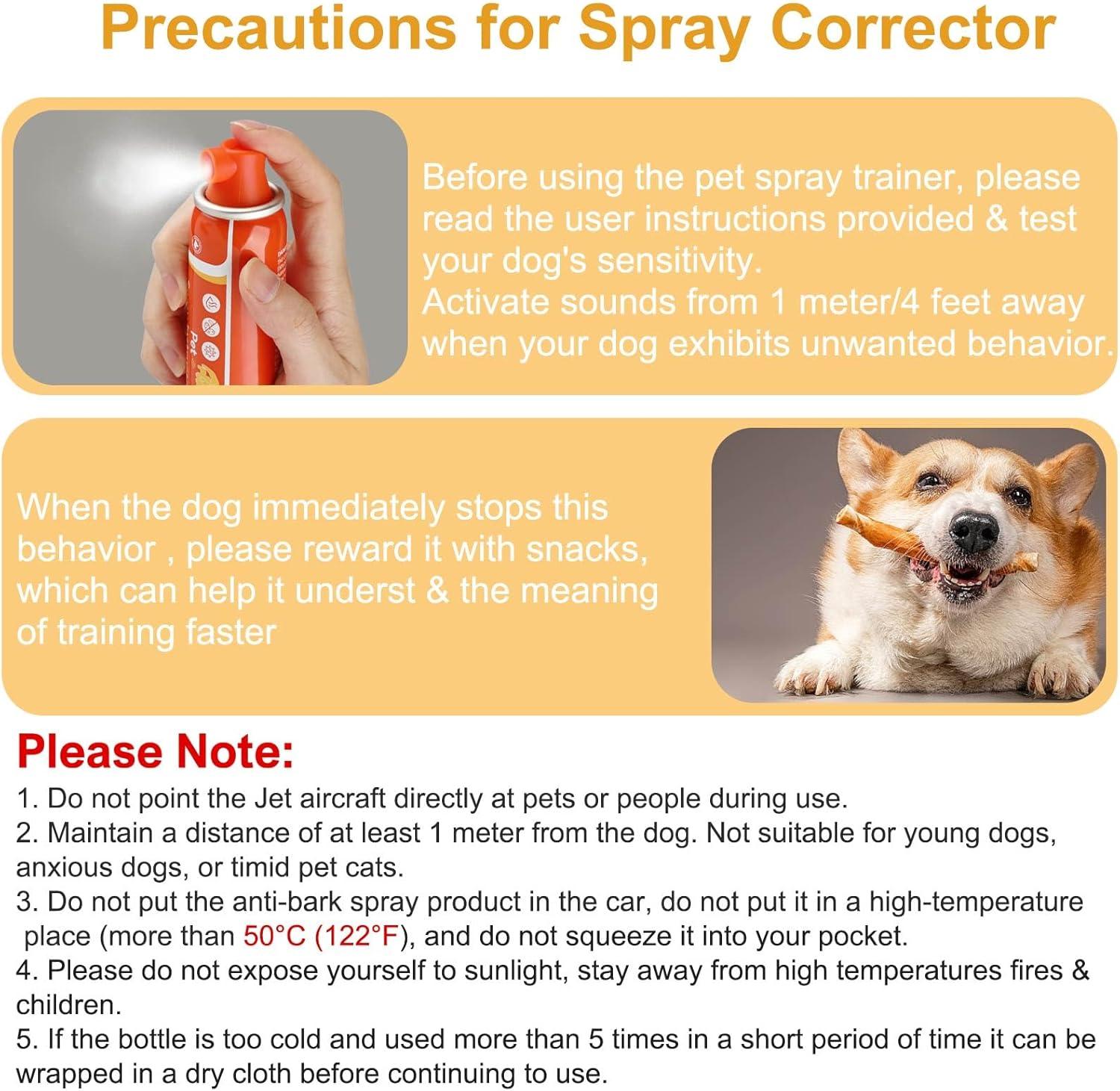
Once you understand the triggers, the next step is consistent training. One of the most effective training techniques is teaching the “quiet” command.When your dog starts barking, calmly say “quiet” and wait for them to stop barking. As soon as they stop, reward them immediately with a treat or praise. Repeating this process regularly reinforces the behavior you’re expecting.
Another helpful method is to redirect your dog’s attention. If they start barking at something specific, try to distract them with a toy, a command, or a walk. This not only reduces barking in the moment but also helps your dog learn to control their impulses. Consistency in training and patience are vital as excessive barking habits usually take time to shape.
Our Top product Recommendations
Other Effective Strategies to Manage Barking
Along with direct training, lifestyle adjustments can greatly influence your dog’s barking behavior. Ensuring your dog receives plenty of physical exercise and mental stimulation is crucial; a tired dog is less likely to bark out of boredom or pent-up energy. Activities like daily walks, playtime, and puzzle toys can keep your dog engaged and content.
Managing your dog’s environment can also make a important difference. Blocking visual triggers through frosted windows or curtains can reduce barking triggered by sights outside, such as passing cars or pedestrians. Creating a safe, comfortable space for your dog where they feel secure can definitely help alleviate anxiety-driven barking as well.
seek professional help if excessive barking persists. certified dog trainers or veterinary behaviorists can offer personalized guidance and may recommend additional behavioral techniques or, in certain specific cases, medical interventions.
Frequently Asked Questions
Why does my dog bark at night? How can I stop it?
Nighttime barking often stems from boredom, anxiety, or external stimuli like noises outside. Ensuring your dog has had enough exercise during the day, creating a safe sleeping environment, and using calming aids such as white noise or pheromone diffusers can definitely help reduce nighttime barking. Training the “quiet” command consistently at night also teaches your dog to control barking after dark.
Is it harmful to use correction sprays as a training method?
Correction sprays, when used properly, can be a humane and effective tool to interrupt unwanted barking. The sprays are designed to get your dog’s attention without causing harm. However, they should be used sparingly and always paired with positive reinforcement training to ensure your dog learns appropriate behavior without fear or stress.
How long does it take to train a dog to stop barking excessively?
The time required varies depending on the dog’s age, breed, personality, and barking cause. Some dogs may respond within a few weeks with consistent training, while others might take several months. Patience and consistency are essential, as building new habits takes repetition and time.
Conclusion
Addressing excessive barking requires a holistic approach that combines understanding your dog’s triggers, implementing proven training techniques, and making lifestyle adjustments. With patience, consistency, and the right tools, you can help your dog develop better communication habits and enjoy a quieter, happier home.
Remember, every dog is unique, so tailor your approach to your dog’s specific needs and don’t hesitate to seek professional support when necessary. Your efforts will ultimately create a stronger bond and improve both your quality of life and that of your loyal companion.