Introduction
Dealing with a dog that eats poop, also known as coprophagia, can be frustrating for many pet owners.Not only is this behavior unpleasant, but it can also pose health risks to your furry friend. While it may seem like a challenging habit to break, understanding the reasons behind this behavior and applying effective training and management strategies can help you stop your dog from eating poop for good.
In this blog post, we’ll explore proven tips, solutions, and product recommendations designed specifically for dog owners facing this issue. Whether you’re dealing with a new puppy or an adult dog,this complete guide will offer practical advice to keep your dog healthy,happy,and poop-free.
Understanding Why Dogs Eat Poop
Before you can effectively stop your dog from eating poop,it’s essential to understand why they do it in the first place. Dogs may consume feces for several reasons including nutritional deficiencies, boredom, stress, or simply because the behavior stems from their natural instincts.
Some dogs are attracted to feces as it contains undigested nutrients or enzymes. Others might do it out of curiosity or anxiety. Puppies, such as, explore their environment with their mouths and might pick up poop as part of learning. Additionally, dogs confined in small spaces without sufficient mental or physical stimulation may turn to poop eating as an outlet for boredom.
Veterinary health can also play a role. Certain medical problems such as malabsorption or parasites might cause a dog to seek nutrients from feces. Therefore, a solid first step in tackling coprophagia is consulting your vet to rule out underlying health issues.
Practical Training Techniques to stop Your Dog Eating Poop
Once health concerns are addressed, behavioral modification is the next step to managing coprophagia. Start by supervising your dog closely during walks and outdoor playtime to prevent access to feces. Teaching commands like “leave it” or “come” can be invaluable tools to redirect your dog’s attention away from poop.
Positive reinforcement is key when training your dog. Praise and reward your dog when they avoid or ignore feces. Consistent, patient training over time helps your dog understand which behaviors are acceptable. Providing plenty of toys, chews, and mental stimulation also reduces boredom-related eating habits.
Another useful tip is to clean up after your dog immediately. Remove feces from your yard and walking areas as quickly as possible to reduce temptation. Some dog owners also find it helpful to create a designated “potty spot” that you keep clean or to use leash control during bathroom breaks.
Our Top Product Recommendations
Dietary Adjustments and Supplements
A well-balanced diet plays an important role in preventing poop eating behavior. Some dogs may eat feces because they are lacking specific nutrients or enzymes in their regular food. Discuss your dog’s diet with your veterinarian to ensure they are receiving adequate nutrition.
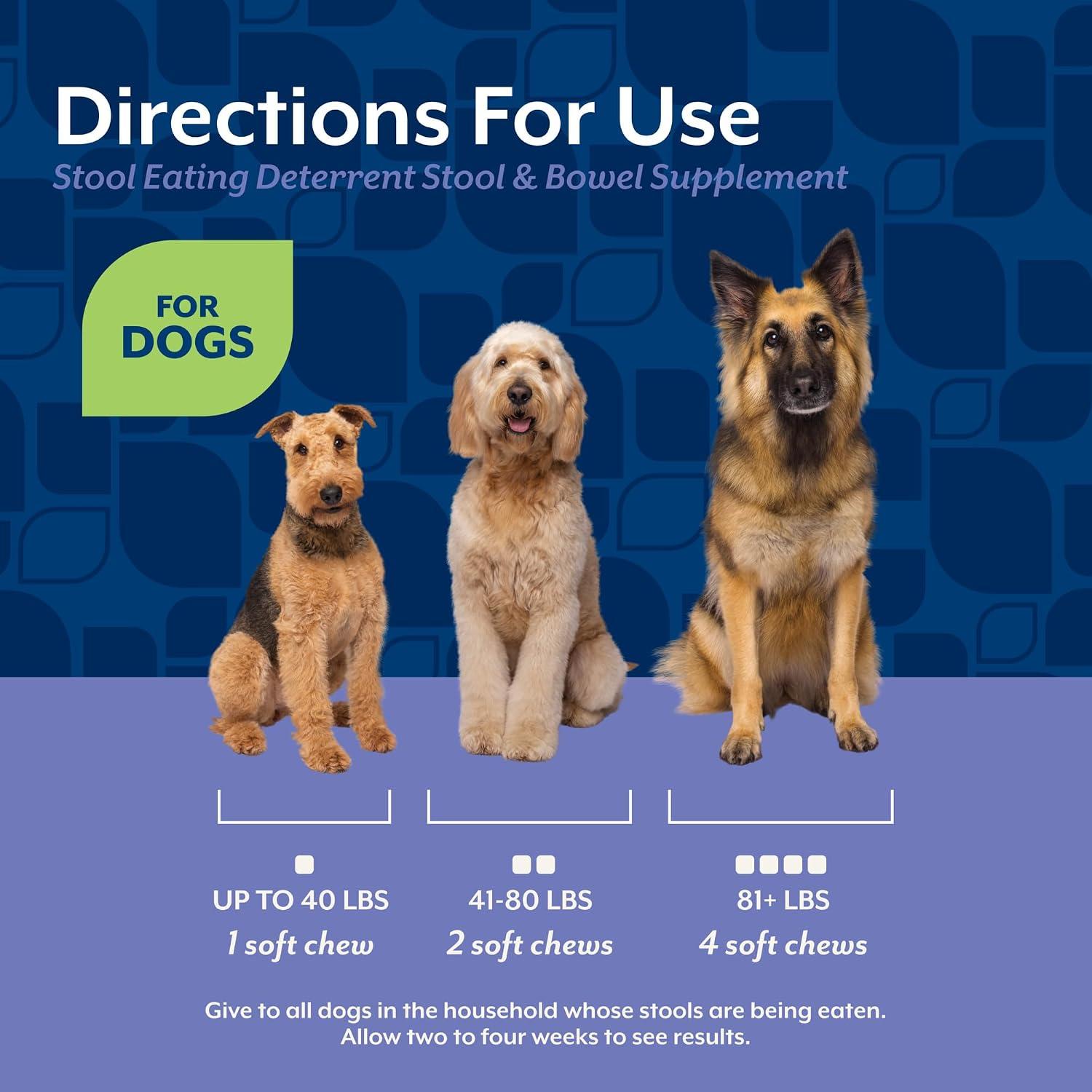
Many dog owners have found success by adding supplements that improve digestion and reduce the attractiveness of feces. Enzyme-rich supplements and probiotics can help your dog better absorb nutrients, reducing the likelihood they will seek additional sources like stool.
Certain specialized products are designed to make stool unappealing to dogs by adding bitter or distasteful ingredients to their food. These supplements are safe and can deter your dog from continuing the habit.Combining dietary changes with training and environmental management ofen yields the best results.
Frequently Asked Questions
Why do some dogs eat poop more than others?
Various factors influence why some dogs have a stronger tendency to eat poop,including genetic predispositions,anxiety levels,environmental stimuli,and diet. Puppies and young dogs are more likely to experiment with this behavior as they explore the world.
Is coprophagia harmful to my dog?
Eating feces can expose your dog to parasites, bacteria, and viruses, which may lead to digestive issues or infections. While some dogs may eat poop occasionally without immediate harm, frequent coprophagia increases health risks and should be addressed promptly.
How long does it take to stop a dog from eating poop?
The duration varies based on the dog’s age, habit strength, and owner’s consistency in applying training, dietary changes, and environmental control. With dedicated effort, some dogs can improve within a few weeks, while others might take several months to fully stop the behavior.
Conclusion
Coprophagia can be a challenging problem for dog owners, but with patience, understanding, and the right strategies, it is indeed possible to break this habit. Start by consulting your veterinarian to rule out medical issues, then combine effective training techniques, dietary improvements, and environmental management for the best outcome.
Remember that every dog is unique, so it’s critically important to tailor your approach to fit your dog’s needs and personality. With persistence and care, you can help your dog develop healthier habits and enjoy a clean, safe living environment together.