
Introduction
Ticks are tiny, blood-sucking parasites that can attach themselves to your dog without warning. While some ticks may seem harmless, they can carry diseases that pose serious health risks to your furry friend. Learning how to safely and effectively remove ticks is essential for every dog owner to protect their pet and maintain their well-being.
This step-by-step guide will walk you through the best practices for tick removal, helping you avoid common mistakes that could cause further harm or infection. with a calm and gentle approach, you can ensure your dog stays comfortable and safe throughout the process.
Understanding Why Safe Tick Removal Matters
removing a tick the wrong way can be risky, both to you and your pet. Improper removal may cause the tick’s body parts to remain embedded in your dog’s skin, increasing the risk of infection and irritation. Additionally, squeezing or crushing the tick can release harmful pathogens into your dog’s bloodstream, raising the likelihood of disease transmission.
thus, knowing the right technique and having the proper tools on hand is crucial. Safe removal helps minimize pain and stress for your dog,reduces health risks,and can even prevent ticks from spreading to other pets or humans in your household.
Tools You’ll need for Removing a Tick from Your Dog
Before you start removing the tick,gather the necesary items to make the process smooth and safe. The right tools help ensure you remove the tick completely and cleanly without causing harm.
Key items include: fine-tipped tweezers or a specialized tick removal tool, gloves to protect your hands, antiseptic wipes or solution to clean the bite site afterward, and a small container or zip-lock bag to save the tick in case your vet needs to identify it later.
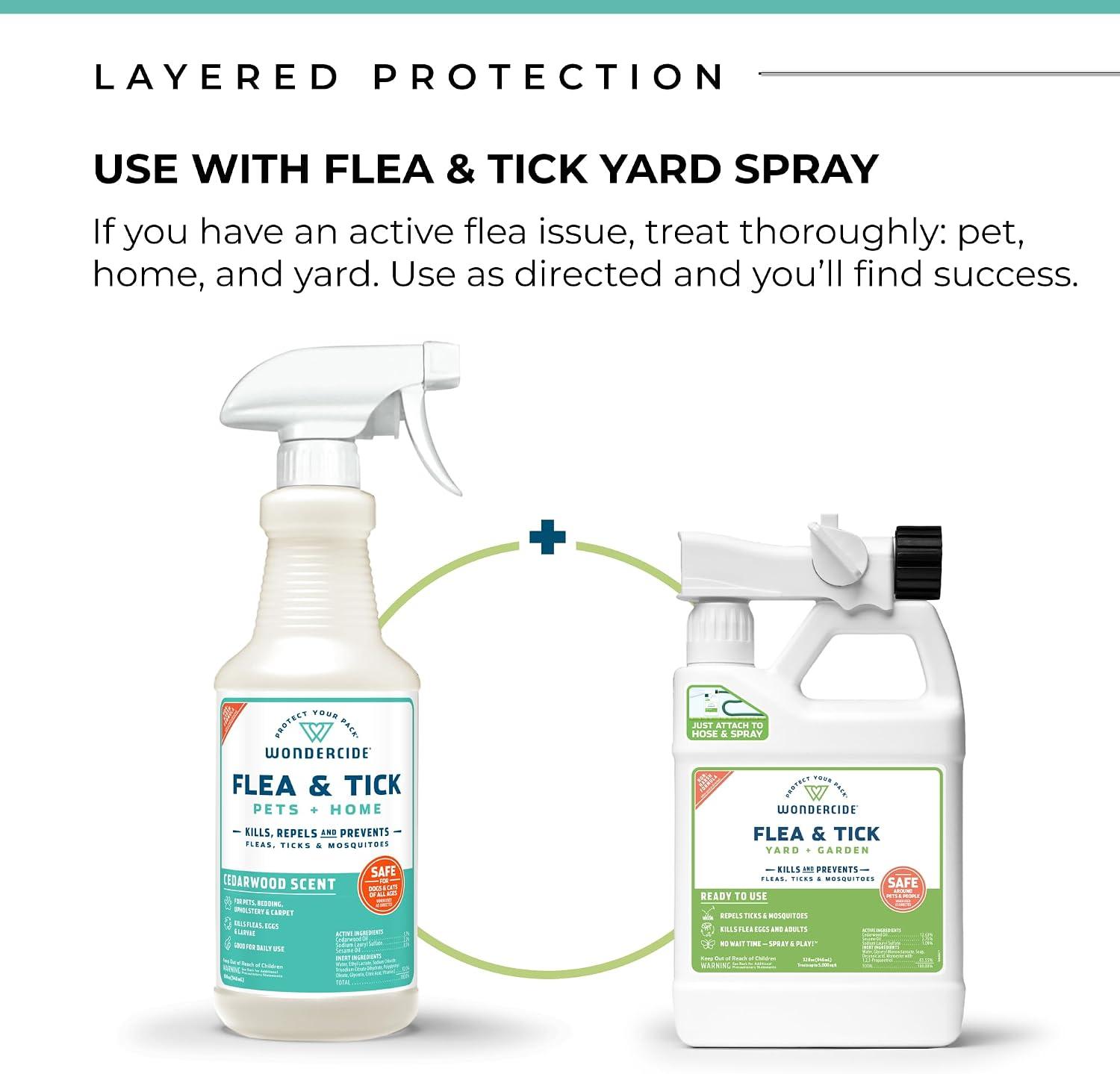
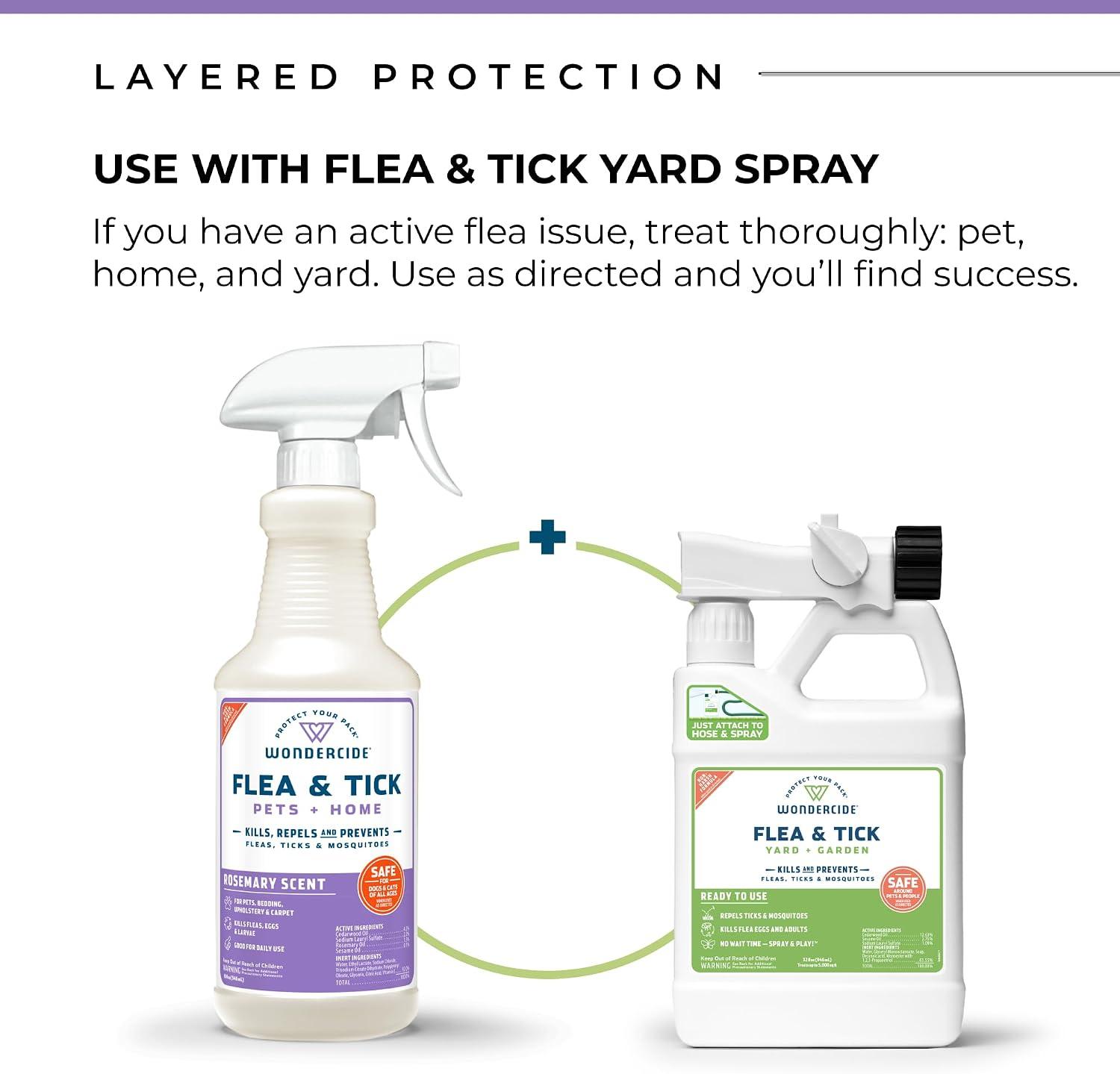
Our Top Product Recommendations

step-by-Step Guide to Removing a Tick from Your Dog
Once you spot a tick on your dog,stay calm and act promptly. Here’s an easy, safe method to remove the tick:
- Prepare Yourself and Your dog: Put on gloves to keep the process hygienic. If your dog is anxious, try to comfort them with gentle petting or enlist someone to help hold the dog steady.
- grasp the Tick Properly: Using fine-tipped tweezers or a tick removal tool, carefully grasp the tick as close to your dog’s skin as possible. Avoid pinching the tick’s body, which can cause it to release infectious fluids.
- Pull the Tick Out Slowly: Pull upward with steady, even pressure-do not twist or jerk, as this could leave parts of the tick embedded.Continue pulling until the tick releases its grip and comes out whole.
- Dispose of the Tick Safely: Place the tick in a sealed container or zip-lock bag. You can save it for identification if your vet requests it. Do not crush the tick with your fingers.
- Clean the Bite Area: Use antiseptic wipes or a disinfectant solution to clean the spot where the tick was attached. This helps prevent infection and soothes the skin.
- Wash Your Hands and Tools: Thoroughly wash your hands and sterilize any tweezers or tools used during the removal.
If you notice redness, swelling, or signs of illness in your dog after removal, contact your veterinarian promptly.
Preventing Future Tick Infestations on Your Dog
Prevention is always better than cure. Protecting your dog from ticks involves a combination of environmental control, regular grooming, and effective products designed to repel or kill ticks before they latch on.
Keep your yard tidy by mowing the lawn and removing tall grasses or leaf litter where ticks thrive. When hiking or spending time outdoors, avoid tick-infested areas if possible, or check your dog frequently for ticks. Use veterinarian-approved tick prevention products like sprays,collars,or oral medications to provide ongoing protection.
Regularly inspect your dog’s fur, especially around the ears, neck, and paws, after outdoor activities. Early detection and removal reduce the risks that ticks pose to your dog’s health.
Frequently Asked Questions
Can I remove a tick with my fingers if I don’t have tweezers?
It’s not recommended to use your fingers as this can squeeze the tick’s body,releasing harmful bacteria. Always use fine-tipped tweezers or a tick removal tool to grip the tick by the head and avoid pressing the abdomen.
What diseases can ticks transmit to dogs?
Ticks can spread several diseases including lyme disease, Ehrlichiosis, Anaplasmosis, and Rocky Mountain spotted fever. These illnesses can cause symptoms ranging from lethargy and fever to joint pain and even serious organ complications, so prompt removal and veterinary care are vital.
How often should I check my dog for ticks?
Check your dog thoroughly after every outdoor activity, especially in wooded or grassy areas. During peak tick season (spring through fall), daily checks are ideal. Regular inspections help catch ticks early before they embed deeply and cause harm.
Conclusion
Removing a tick from your dog safely is essential to protect them from pain and possibly serious illnesses. By following the right steps, using proper tools, and staying calm, you can effectively remove ticks while keeping your pet comfortable and healthy.
Combining tick removal techniques with preventative measures ensures your dog’s safety year-round. Regular checks and the use of quality products make a big difference, giving you peace of mind and your dog a happier, tick-free life.