Introduction
Every dog owner knows how important it is to maintain their furry friend’s coat in top condition.A healthy, well-groomed coat not only looks beautiful but also contributes considerably to your dog’s overall wellbeing. One common issue many pet parents face is dog coat matting-those stubborn, tangled knots that can cause discomfort and skin problems if left untreated.
in this blog post, we will share easy and effective grooming tips that can help you prevent dog coat matting. whether your pup has a long silky coat or a thick curly fur, these strategies are designed to make grooming a breeze and keep your dog’s coat soft, clean, and free of mats.
Understanding the Causes of Dog Coat Matting
Before diving into prevention, it’s helpful to understand why mats form in your dog’s coat. Matting occurs when loose hairs tangle together with dirt, oils, and moisture, especially in areas prone to friction such as behind the ears, under the armpits, and around the collar. Dogs with longer, denser fur are more susceptible, but any dog can develop mats without proper grooming.
Environmental factors like humidity, outdoor play, and infrequent brushing can accelerate mat development. Additionally, changes in your dog’s skin health or coat condition, such as dryness or excess shedding, may contribute to tangled fur. Knowing these causes allows you to target grooming habits more effectively to keep mats at bay.
Regular Brushing: The Key to Preventing Mats
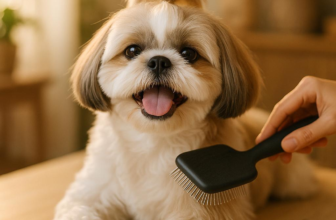
One of the easiest yet moast effective ways to stop matting before it starts is regular brushing. Frequent brushing removes loose hair,dirt,and debris before they can tangle into mats. For dogs with medium to long coats, daily brushing is ideal, while shorter-coated dogs benefit from brushing several times a week.
Use the right brush for your dog’s coat type. Slicker brushes work well for fine or curly coats, while undercoat rakes are great for thick double coats. Slowly and gently work through your dog’s fur, paying special attention to commonly matted spots like behind the ears and under the legs. Brushing sessions can be a bonding time as well, so keeping your dog comfortable with treats and a calm surroundings helps make this a positive routine.
Our Top Product Recommendations
Bathing and Conditioning to Support a Tangle-Free Coat
Regular baths are essential to keep your dog’s coat clean and healthy, wich reduces the likelihood of mats forming. However, bathing too frequently can strip natural oils, causing dryness and more tangles.Aim to bathe your dog every 4 to 6 weeks or as recommended by your veterinarian based on your dog’s activity level and coat type.
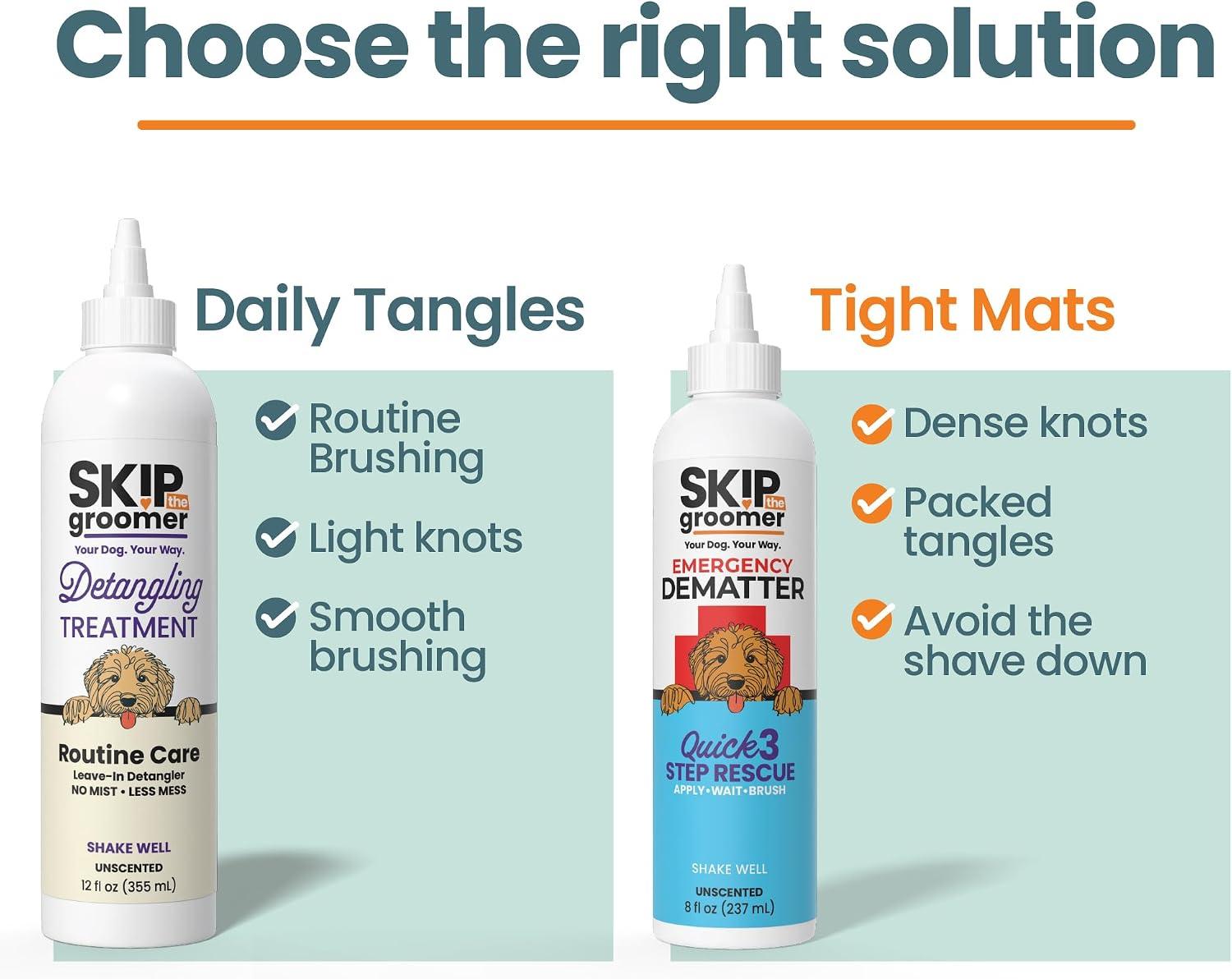
Using a high-quality dog shampoo and a moisturizing conditioner can significantly decrease knots and tangles. Conditioners help lubricate and soften the hair, making it easier to brush out and less prone to matting. Many detangling sprays or leave-in conditioners are also available, which can be applied in between baths to maintain a smooth coat.
After bathing, always be thorough in drying your dog’s fur. Wet or damp hair is more prone to mats, so use a towel followed by a blow dryer on a low heat setting if your dog tolerates it. Brushing while the coat is slightly damp can definitely help prevent tangles from forming as the hair dries.
Proper Tools and Techniques for Effective Grooming
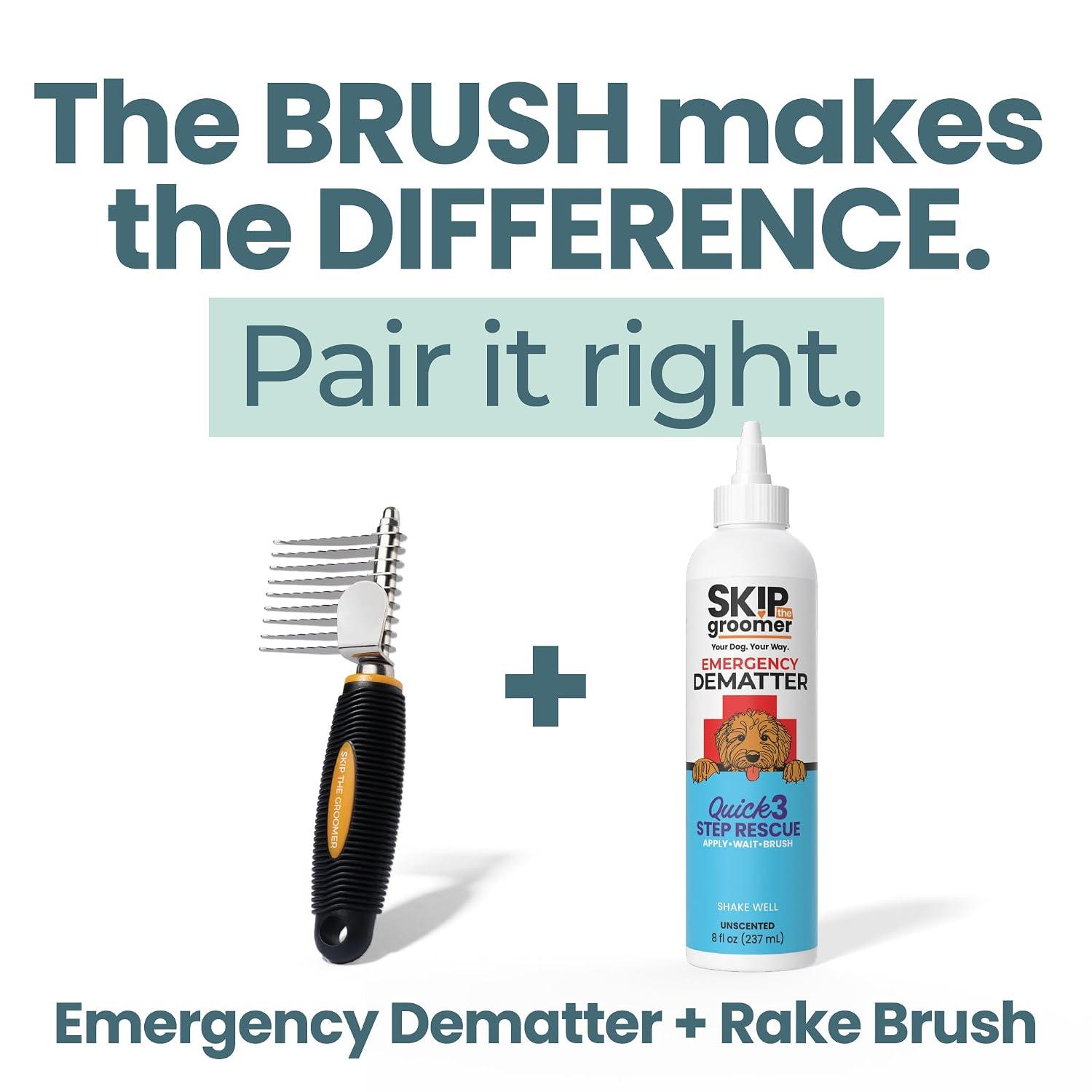
Using the right grooming tools tailored to your dog’s coat type can make all the difference. Some common tools include slicker brushes, undercoat rakes, dematting combs, and grooming scissors. For thick or curly coats,a dematting tool can gently break down mats without hurting your dog.
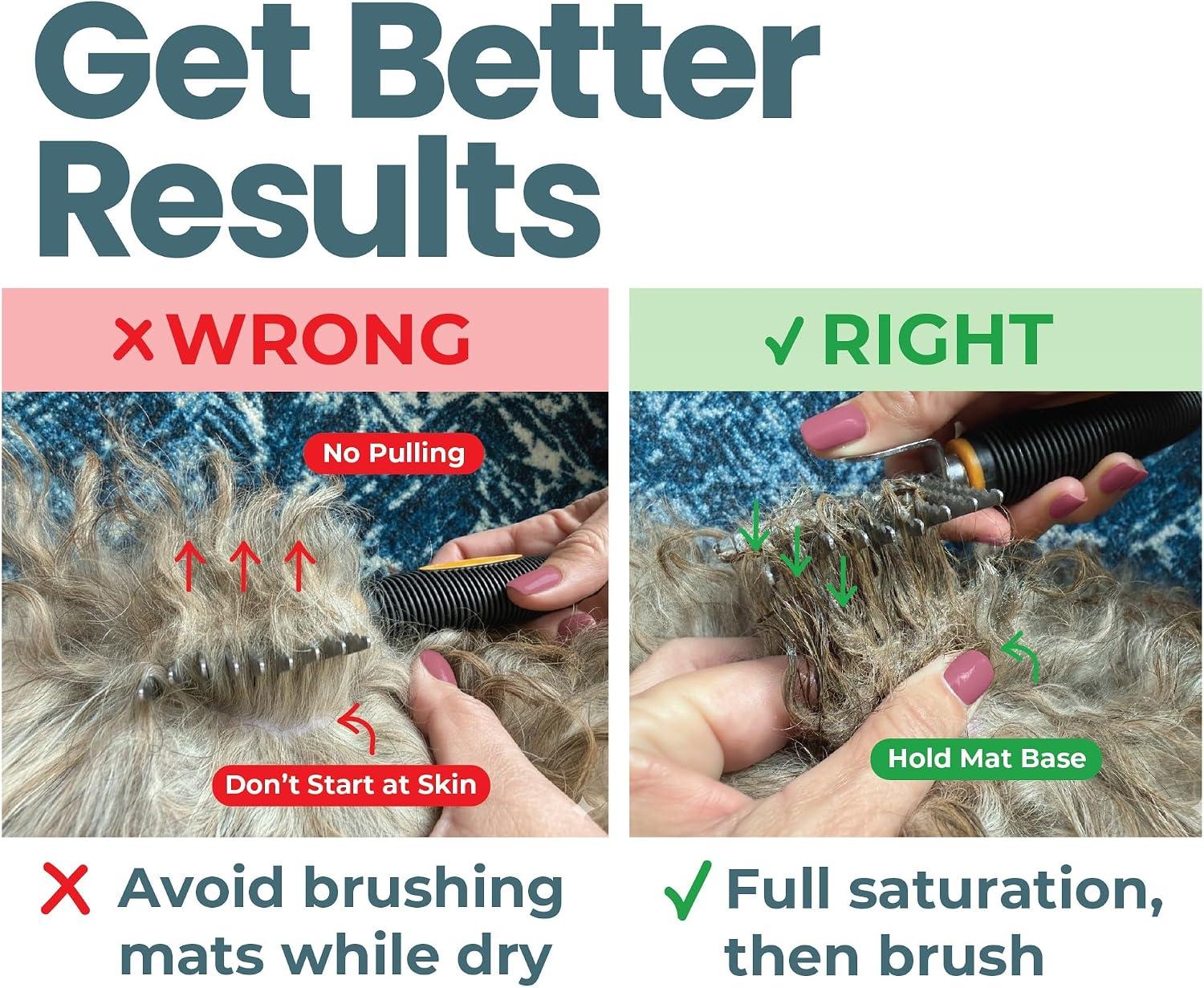
When you encounter a mat, approach it slowly and patiently. Start by applying a dematting spray or treatment to soften the area. Gently work through the tangle with your fingers or a rake brush, gradually loosening the hairs. Avoid pulling hard as this can cause pain and damage your dog’s skin. For severe mats,seek advice from a professional groomer to avoid injury.
Establish a regular grooming routine that includes brushing,combing,and checking specifically for mats. Habitually inspecting your dog’s coat will help you catch small knots early before they become painful mats.
Frequently Asked Questions
How often should I brush my dog to prevent mats?
The frequency of brushing depends on your dog’s coat type. Long-haired or curly-coated dogs should ideally be brushed daily, while short-haired breeds benefit from brushing several times a week. Regular brushing prevents loose hair and dirt from tangling up and forming mats.
Can I cut out mats myself?
Cutting mats can be risky and may cause injury to your dog if not done properly. It’s best to use grooming tools designed for dematting or seek help from a professional groomer.If you must trim, be extremely cautious and try to isolate the mat before cutting to avoid accidental cuts to the skin.
What are the signs of severe matting that require professional help?
Severe matting can cause bald patches, skin irritation, redness, and discomfort for your dog. If mats are very tight, close to the skin, or cover large areas, seek professional grooming help. Professionals have the experience and tools needed to safely remove mats without harming your pet.
Conclusion
Preventing dog coat matting is all about commitment to a regular grooming routine and using the right tools. Taking a proactive approach by brushing frequently, bathing with gentle products, and caring for your dog’s coat properly will keep tangles from forming and make grooming a stress-free experience for both you and your pup.
Remember, a well-maintained coat means a happier and healthier dog. By following these easy grooming tips, you’ll be well on your way to preventing mats and ensuring your furry friend always looks and feels their best.