Introduction
Helping your dog lose weight safely is essential for their overall health and longevity. Just like people, dogs can suffer from obesity, which can led to serious health issues such as diabetes, joint problems, and heart disease. As a responsible dog owner, it’s significant to understand the best strategies to support your furry friend in shedding those extra pounds in a healthy and sustainable way.
In this guide, we’ll walk you thru effective tips and diet plans to help your dog lose weight without compromising their well-being. From understanding calorie needs to providing exercise and proper nutrition, you’ll find everything you need to create a safe and enjoyable weight loss journey for your canine companion.
Understanding Safe Weight Loss for Dogs
Weight loss in dogs should always be gradual and carefully monitored to avoid health complications. Rapid weight loss can lead to nutritional deficiencies and other risks. The goal is typically to aim for about 1-2% of your dog’s body weight per week, but even this can vary based on the dog’s breed, age, and current health status.
Before starting any weight loss plan, it’s crucial to consult your veterinarian. They can assess your dog’s current condition, estimate an ideal target weight, and recommend the best diet and exercise routine. Regular weigh-ins and checkups will help ensure your dog is losing weight safely and effectively.
Another key factor is identifying the root cause of your dog’s weight gain. Sometimes overeating is just a symptom, and underlying issues such as hypothyroidism or other medical conditions could contribute. Ruling out these causes will help tailor the most effective and safe weight loss approach.
Effective Diet Plans for Helping Your Dog Lose Weight
Diet plays a major role in your dog’s weight loss efforts. Switching to a specially formulated low-calorie dog food can make a big difference. These diets are designed to provide all necessary nutrients while reducing calorie intake. Weight management dog foods often contain higher fiber levels to help your dog feel fuller longer without adding extra calories.
Another strategy is to control portion sizes strictly. Rather of free-feeding (leaving food out all day), measure your dog’s meals carefully based on veterinary advice. Feeding smaller,more frequent meals instead of one or two large ones can also keep their metabolism consistent and prevent hunger-driven overeating.
Additionally, healthy low-calorie treats can be included to reward good behavior without sabotaging weight loss. Choosing treats specially made for weight management ensures minimal calorie impact. Avoid feeding your dog table scraps or high-fat snacks.
Our Top Product recommendations
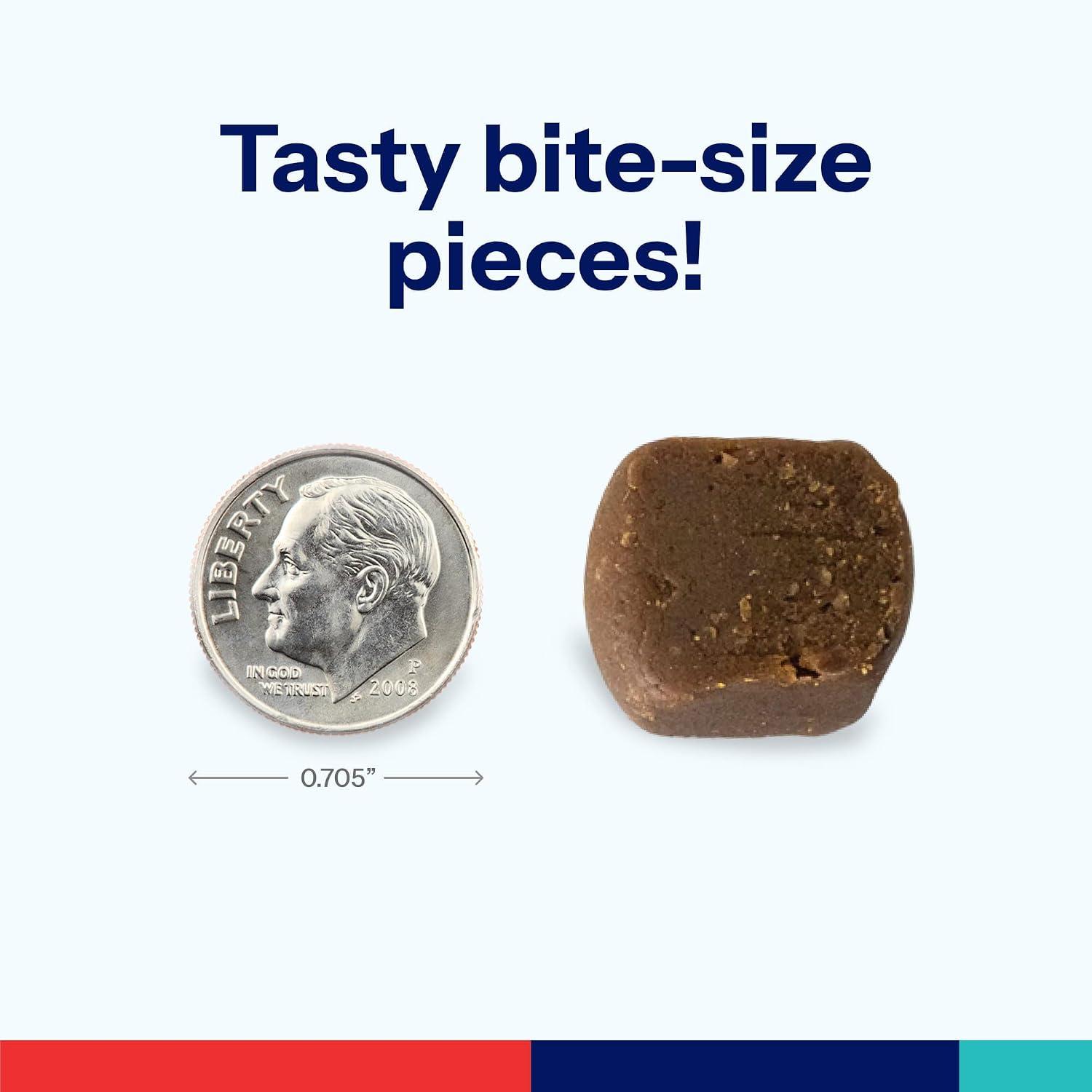
Incorporating Exercise into Your Dog’s Weight Loss Plan
Exercise is another crucial component of helping your dog lose weight safely. Regular physical activity burns calories and improves cardiovascular health, muscle tone, and joint mobility. Tailor the exercise to your dog’s breed, age, and current health to avoid overexertion or injury.
Start with shorter walks and play sessions, gradually increasing duration and intensity as your dog becomes fitter. Activities like fetch, swimming, or even agility training can be grate for keeping your dog engaged and moving. Consistency is key-daily exercise is much more effective than sporadic bursts of activity.
Most dogs enjoy mentally stimulating activities combined with physical movement. Puzzle toys, scent games, and obedience training not only burn calories but also help prevent boredom and destructive behaviors.
frequently Asked Questions
How do I know if my dog is overweight?
You can assess your dog’s weight by feeling for their ribs (which should be easily felt but not visible),checking their waistline from above and side,and consulting a vet. Vets can provide a more precise evaluation using a body condition score chart.
Can I feed my dog human food to help with weight loss?
While some human foods are safe in moderation, feeding your dog table scraps frequently enough adds extra calories and unhealthy ingredients. Rather, focus on high-quality dog foods and approved low-calorie treats specifically designed for weight management.
How long should it take for my dog to lose weight?
Healthy weight loss is gradual, usually taking several months depending on how much weight your dog needs to lose. A steady rate of about 1-2% of body weight per week is recommended. patience and consistency are key to avoid health risks.
Conclusion
Helping your dog lose weight safely requires a combination of veterinary guidance, proper nutrition, controlled portions, and consistent exercise. By prioritizing their health and well-being throughout the process, you’ll help your dog enjoy a happier, more active life while reducing the risks associated with obesity.
Remember, every dog is unique, so adjustments may be necessary based on their specific needs. With dedication and love, you can support your furry friend on their path to a healthier weight and a better quality of life.