Introduction
Separation anxiety in dogs is a common and distressing condition for many pet owners. When a dog feels anxious or overwhelmed by being left alone, they may exhibit behaviors such as excessive barking, destructive chewing, pacing, or even attempts to escape. Understanding how to help your dog with separation anxiety effectively and compassionately can improve their well-being and your peace of mind.
Helping a dog cope with separation anxiety requires patience, empathy, and a thoughtful approach tailored to your dog’s needs. This blog post will guide you thru practical strategies and techniques to support your dog during times of separation, creating a more positive and stress-free experience for both of you.
Understanding Separation Anxiety in Dogs
Separation anxiety occurs when dogs experience intense distress after being separated from their owners or familiar environments. Dogs are social animals, and some can become overly attached to their caregivers, causing nervousness or panic when left alone. This condition is not just about a dog being unhappy; it can cause important emotional and physical discomfort, leading to problematic behaviors.
Recognizing the symptoms of separation anxiety is the first step towards helping your dog.Common signs include destructive behaviors like chewing furniture, barking or howling excessively, attempts to escape an area where they are confined, drooling, trembling, and inappropriate urination or defecation. Knowing these signs helps you approach the issue with informed compassion and begin suitable treatment or training plans.
Effective Training Techniques to Reduce Separation Anxiety
One of the most effective ways to ease separation anxiety is through gradual desensitization and counter-conditioning. This involves slowly accustoming your dog to being alone in a controlled and positive way. Start by leaving your dog alone for very short periods, even just a few seconds, and gradually increase the duration as your dog becomes more pleasant.
During training sessions, create a safe and comforting habitat for your dog. provide favorite toys or chews to keep them engaged and distracted.Reward calm behavior with praise or treats to reinforce positive associations with alone time. avoid dramatic farewells or greetings, as this can heighten your dog’s anxiety.
Consistency is key. Establish a routine that your dog can predict, including regular exercise and playtime before periods of solitude. A tired dog is less likely to become anxious and more prone to rest peacefully when alone.
Our Top Product Recommendations

Environmental and Lifestyle Adjustments for Anxious Dogs
Creating a calming environment can considerably help reduce your dog’s anxiety when alone. Consider using background noise such as soft classical music or white noise machines to mask outside sounds that could trigger nervousness. Additionally, a safe, cozy space with their bed or crate can provide comfort and security.
Regular physical activity is crucial. Exercise helps lower stress and releases endorphins,which boost mood and calm nerves.Aim for daily walks, playtime, or interactive games, particularly before leaving your dog alone. Mental stimulation through puzzle toys or treat-dispensing toys can also keep your dog occupied and less focused on your absence.
Maintain a calm and confident demeanor when leaving and returning home. Dogs are intuitive and can pick up on your emotions. By staying relaxed, you reassure your dog that there is nothing to fear, which helps build trust and decreases anxiety over time.
Frequently Asked questions
What are the first signs of separation anxiety in dogs?
Early signs include nervous pacing, whining, destructive chewing, excessive barking when you prepare to leave, and house soiling when left alone. Recognizing these early can help you address the issue before it worsens.
How long does it take for a dog to overcome separation anxiety?
the length of time varies based on the severity of anxiety, the dog’s personality, and the consistency of your training methods. Some dogs may improve in a few weeks, while others might need months of patient, gradual work.
Are calming pheromone products truly effective for separation anxiety?
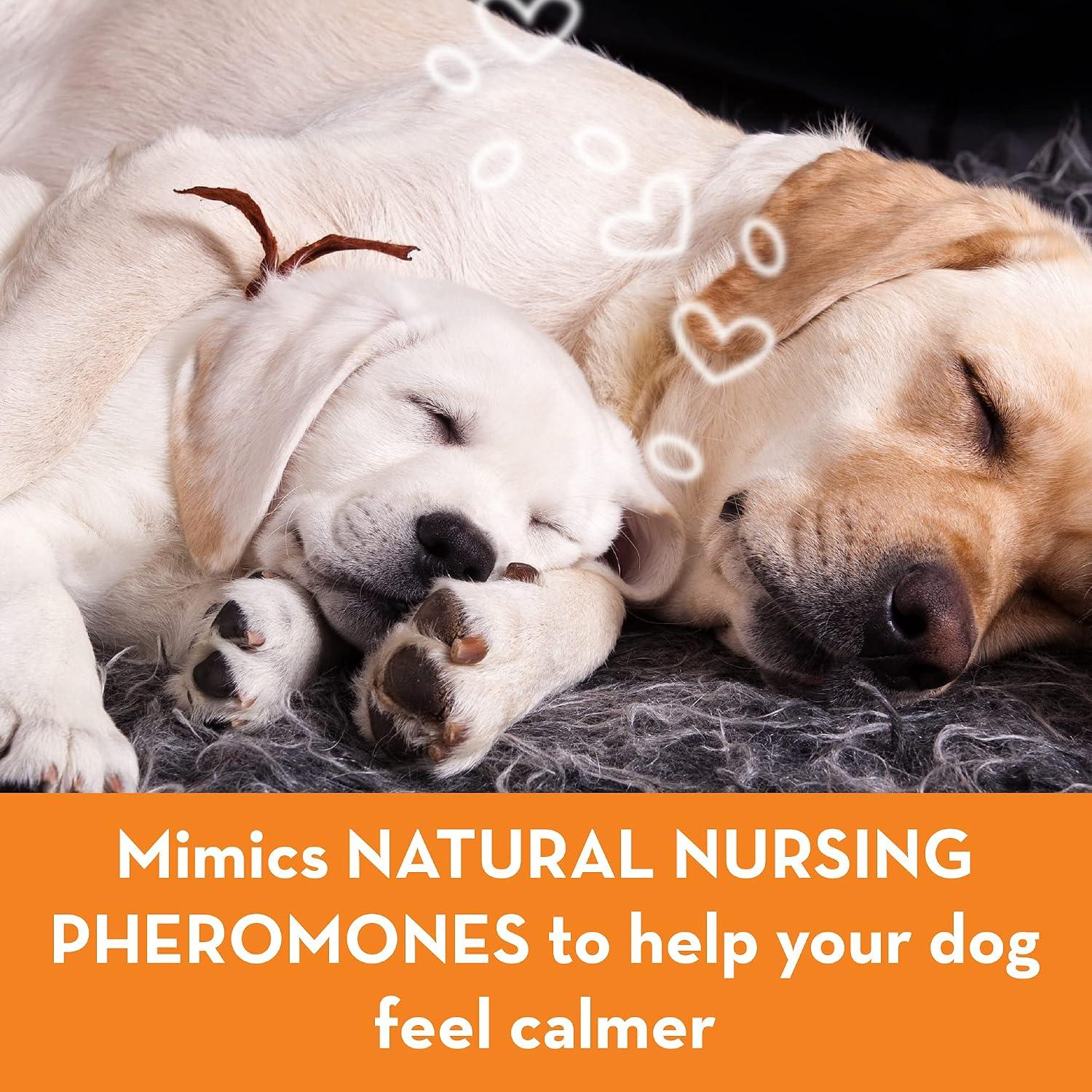
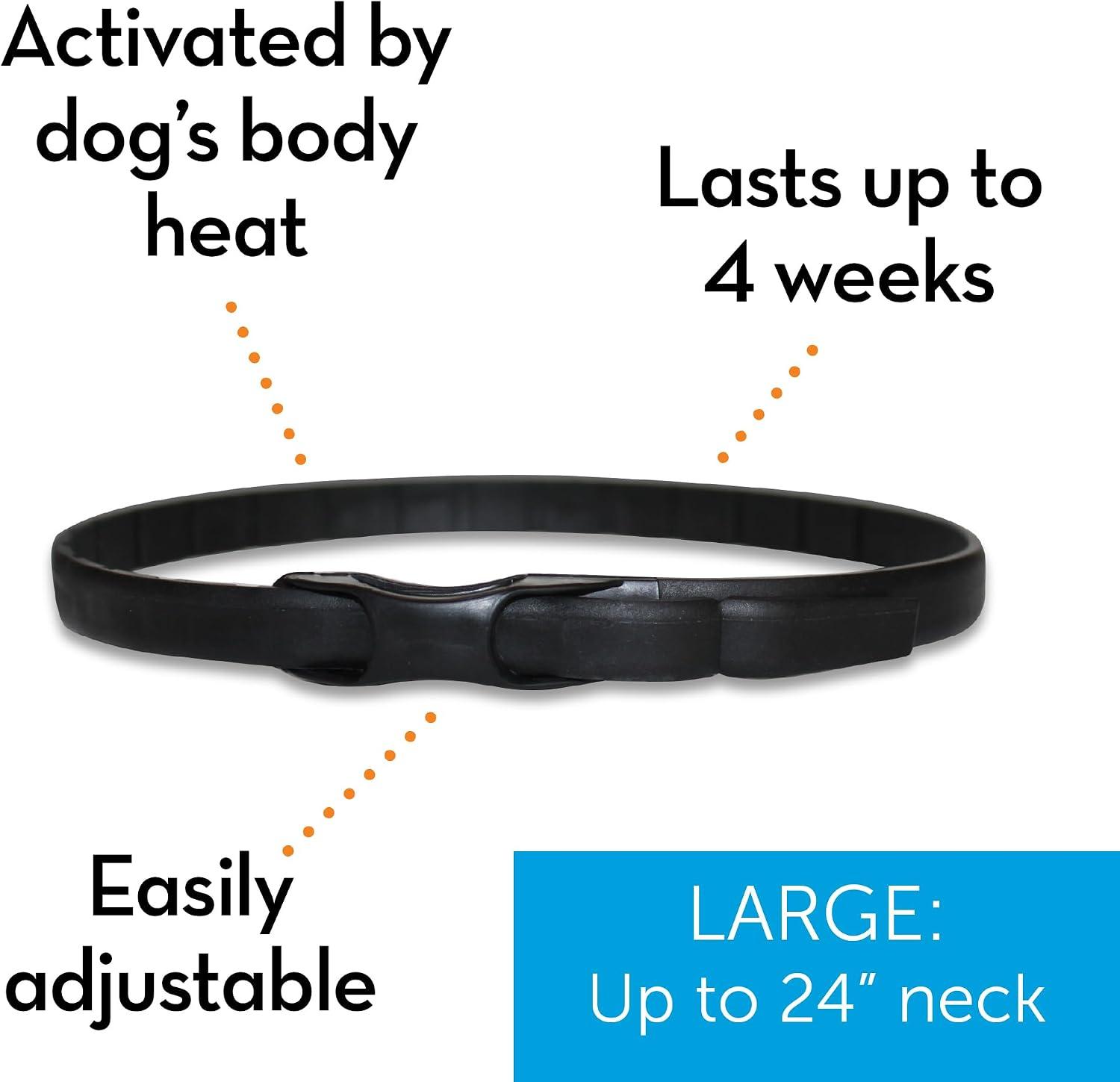
calming pheromone products, which mimic natural dog appeasing pheromones, can help reduce stress and anxiety symptoms when used alongside behavioral training and environmental adjustments. They are not a cure-all but can be a valuable part of a thorough treatment plan.
Conclusion
Helping your dog with separation anxiety requires a compassionate, multi-faceted approach that combines training, environmental modifications, and supportive products.By understanding your dog’s needs and working consistently to build their confidence and comfort when alone, you can significantly reduce their anxiety and improve their quality of life.
Remember, every dog is unique, and some may require additional support from a veterinarian or a professional dog behaviorist. With patience and love, you can help your dog feel safe and secure, even when you’re not around.