Introduction
Separation anxiety in dogs is a common and challenging behavior issue many pet owners face.When left alone, dogs with separation anxiety may exhibit distress through excessive barking, destructive chewing, pacing, or even accidents in the house. Understanding how to help your dog cope with these feelings is essential not only for their well-being but for maintaining a peaceful home environment.
Helping a dog with separation anxiety involves patience, consistent training, and sometimes the use of calming aids.In this blog post, we’ll explore practical strategies and effective tools to keep your dog calm indoors, even when you’re not around. With the right approach, you can help your furry friend feel safe, secure, and comfortable during alone time.
Recognizing the Signs of Separation Anxiety
The first step to helping your dog is identifying the signs of separation anxiety. Dogs may show different symptoms depending on the severity of their anxiety. Typical signs include whining,barking,howling,destructiveness,and attempts to escape the area where they’re confined. Some dogs may also drool excessively or have gastrointestinal issues when left alone.
Understanding these behaviors as anxiety responses rather than simple misbehavior is critical. It allows owners to address the root cause rather than punish the symptoms. Early recognition and intervention can prevent the problem from worsening, making the healing process smoother for both you and your dog.
If you notice your dog exhibiting these symptoms after you leave the room or house, it’s important to consider separation anxiety as a possible cause and begin implementing strategies to help them cope.
Effective Training Techniques to Ease Anxiety
One of the most powerful ways to help your dog with separation anxiety is through gradual desensitization and counter-conditioning. This method involves slowly getting your dog accustomed to being alone by creating positive associations with your departure.Start by leaving your dog alone for very short periods and gradually increasing the time as they become more comfortable.
another helpful technique is to create a safe and cozy space for your dog indoors. Use a crate,playpen,or a designated room filled with their favorite blankets,toys,and maybe an item that smells like you. This space should be associated with relaxation and security, giving your dog a comfort zone when they’re alone.
Additionally, avoid making a big fuss when leaving or returning home, as this can heighten anxiety. Rather, keep your departures low-key and reward calm behavior when you’re about to leave or once you return. Consistency and patience are key to making these training efforts successful.
Our Top Product Recommendations
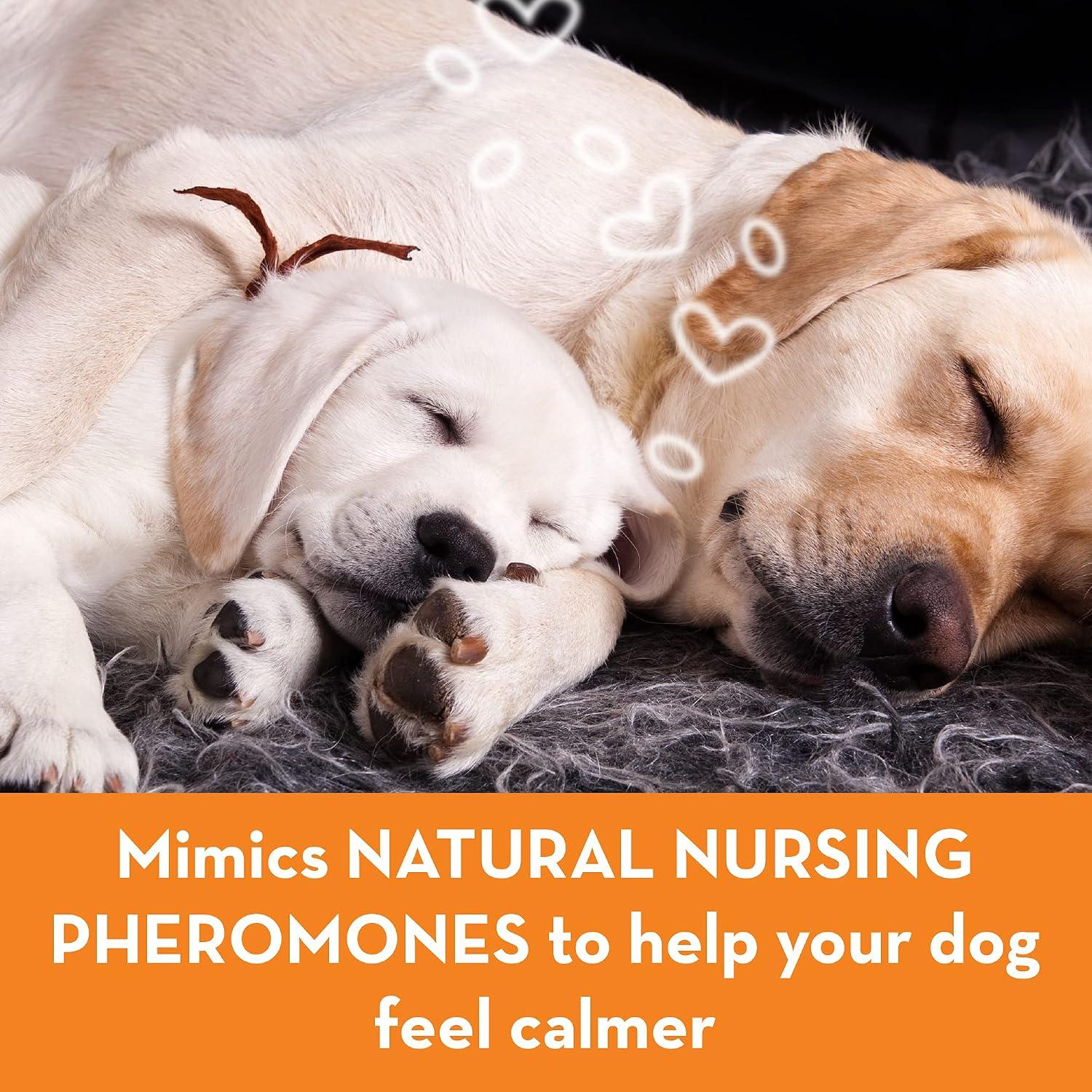
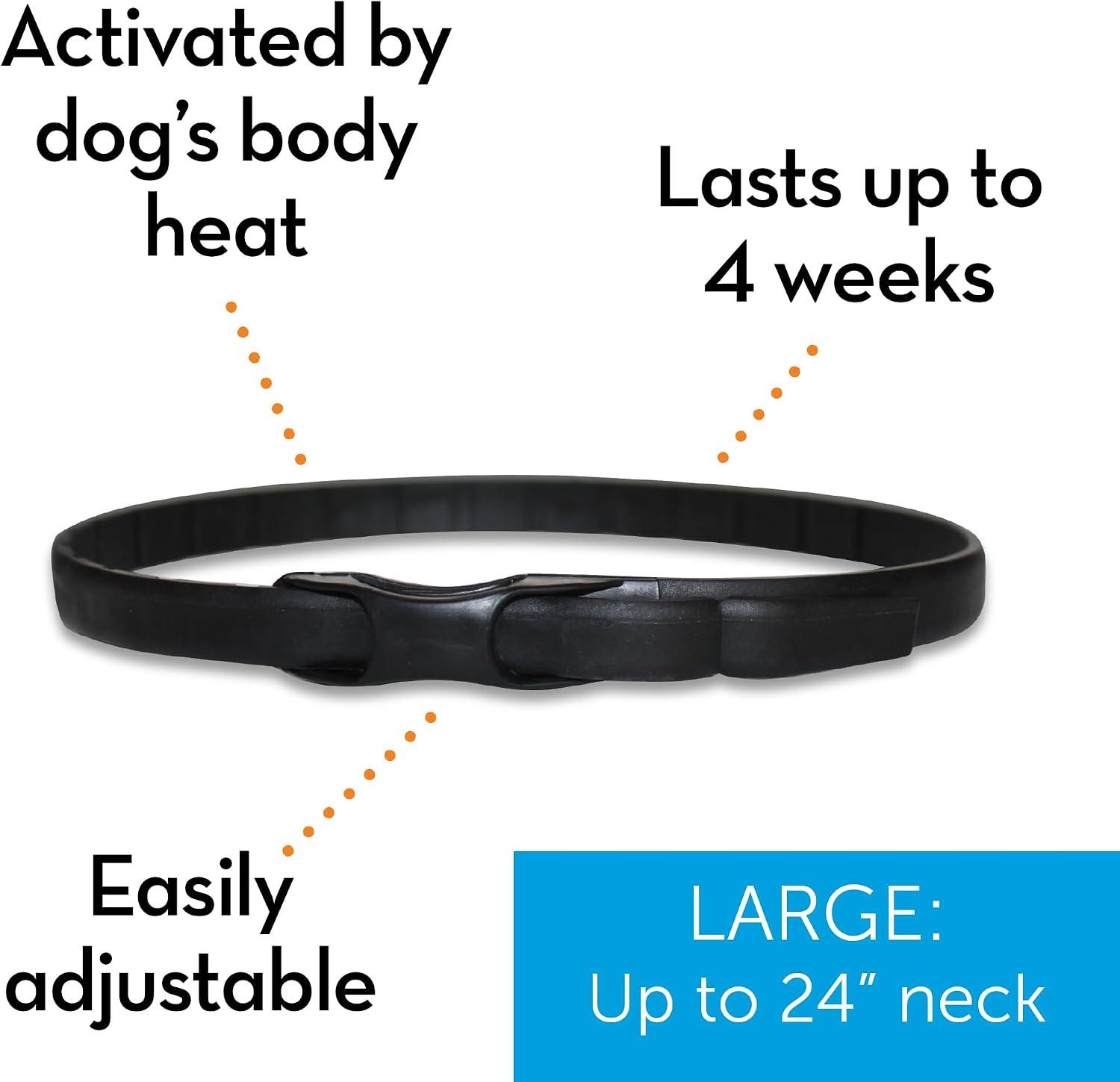

Additional Comfort and Distraction Methods
Besides training and pheromone products, you can definitely help your dog stay calm indoors by providing engaging distractions. Puzzle toys filled with treats or long-lasting chew toys can keep their mind occupied and help reduce feelings of anxiety. Toys that encourage problem-solving release mental energy, making it easier for your dog to relax.
Another great strategy is to play calming music or white noise when you’re not home. Many dogs respond positively to soothing sounds that mask outside noises or the silence that can sometimes trigger anxiety. you can also try leaving a television or radio on at low volume to simulate the presence of people.
Regular exercise before alone time is also crucial. A tired dog has less anxiety and is more likely to settle down.Make sure your dog gets a good walk or play session before you leave to help burn off energy and reduce restlessness indoors.
frequently Asked Questions
How can I tell if my dog has separation anxiety or is just bored?
Separation anxiety is frequently enough characterized by frantic or repetitive behaviors such as excessive whining, destructive chewing near doorways, and signs of distress when you prepare to leave. Boredom usually results in milder, more varied behaviors and is less intense. If your dog panics when you leave or shows signs of stress promptly, it’s likely separation anxiety rather than just boredom.
is it better to leave the dog alone in a crate or free in the house?
Many dogs with separation anxiety feel safer in a crate when left alone, as it provides a secure den-like environment. However,crates should be introduced positively and must never be used as punishment. Some dogs may do better with a confined indoor space that allows more freedom.It depends on your dog’s comfort level, so observe their response to different setups.
Can medication help with severe separation anxiety?
In cases of severe separation anxiety, medication prescribed by a veterinarian can be an effective part of a complete treatment plan. Medications can help reduce extreme anxiety symptoms while behavioral training and environmental modifications address the root causes.Always consult a vet before using medication for your dog.
Conclusion
Helping a dog with separation anxiety requires a multi-faceted approach including understanding, training, and supportive products. With patience and consistency, most dogs can learn to cope better with being alone, reducing their stress and improving their quality of life. Begin by recognizing the symptoms early, gradually accustom your dog to alone time, and enrich their environment with calming aids and distractions.
Remember, every dog is unique and it may take time to find the right combination of techniques that work for your furry friend. By staying committed and compassionate, you are giving your dog the best chance to feel calm, secure, and happy indoors.