Introduction
Grooming your dog at home is an essential part of responsible pet ownership that promotes not only cleanliness but also overall health and comfort for your furry friend. For beginners, the idea of handling this task can feel overwhelming, especially if your pet is anxious or if you are unsure about the proper techniques and tools. This guide will help you understand the basics of dog grooming at home, ensuring a stress-free experience for both you and your pet.
By learning to groom your dog yourself, you can build a stronger bond with your companion while saving on the costs associated with professional grooming services. With the right approach, patience, and knowlege, grooming your dog at home becomes both manageable and enjoyable.
Getting Started: Essential Tools and Readiness for Dog Grooming at Home
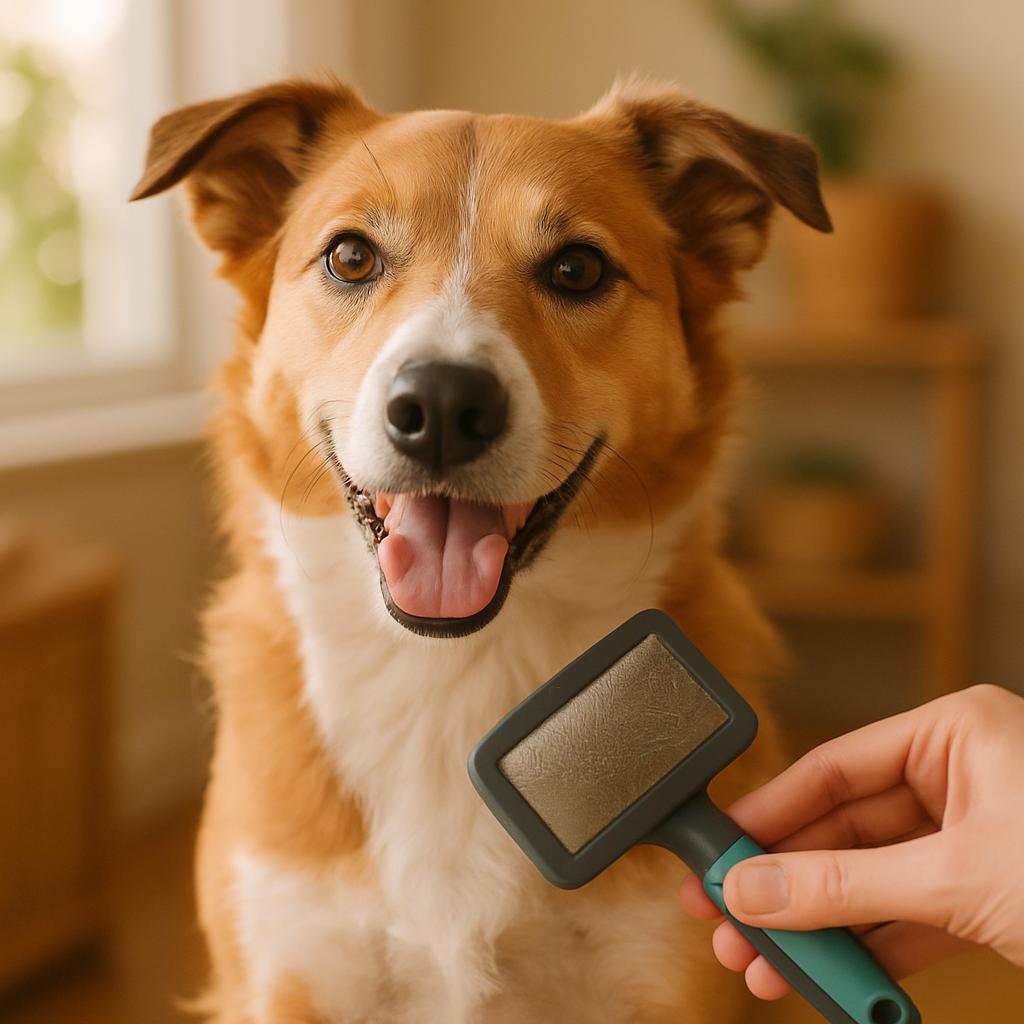
before diving into the grooming process, its crucial to gather the right tools and create a calm environment for your dog. Essential grooming tools include a slicker brush, a comb, dog-safe shampoo, nail clippers, and a towel or blow dryer for drying. Select tools appropriate for your dog’s specific coat type, as different breeds require different grooming techniques and accessories.
Set up a designated grooming area where your dog feels cozy and safe. Having a non-slip surface helps your pet maintain balance during grooming. Keep treats handy to reward good behavior and encourage positive associations. Taking your time and being gentle can significantly reduce stress and make grooming a rewarding experience for your dog.
Step-by-Step Guide: How to Groom Your Dog at Home for Beginners
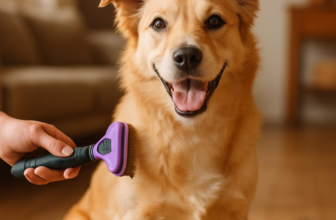
Start the grooming session by brushing your dog’s coat thoroughly to remove tangles, mats, and loose fur. Use a slicker brush or comb, depending on your dog’s coat type. This step improves circulation, distributes natural oils, and makes the subsequent bath more effective. If your dog has severe mats, be patient and carefully work through them without pulling on your pet’s skin.
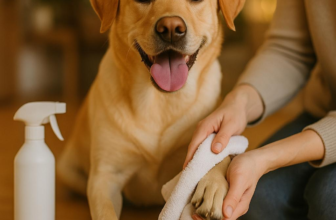
Next, it’s time for the bath.Use lukewarm water and a dog-specific shampoo to avoid skin irritation. Be mindful of your dog’s eyes,ears,and nose while washing. Rinse thoroughly to remove all shampoo residues that can cause itching or dryness. After the bath, gently towel dry or use a blow dryer on a low, cool setting, keeping the noise and heat level comfortable for your dog.
Our Top Product Recommendations

Nail Trimming and Ear Cleaning: Crucial Grooming Steps
Trimming your dog’s nails is critical for their comfort and health. Long nails can lead to pain, difficulty walking, and infections. Use sharp, dog-specific nail clippers and trim small sections at a time to avoid cutting into the swift, which can cause bleeding and discomfort. If you’re nervous, ask a vet or groomer to show you the technique frist.
Ear cleaning is another vital step to prevent infections. Use a vet-approved ear cleaner and cotton balls to gently wipe the inside of the ears. Never insert cotton swabs deep into the ear canal, as this can damage sensitive structures. Regular cleaning,especially for dogs with floppy ears,helps avoid excess wax buildup and ear problems.
Frequently Asked Questions
How frequently enough should I groom my dog at home?
The frequency of grooming depends on your dog’s breed, coat type, and lifestyle. Generally, brushing should be done at least once a week, while baths can be scheduled every 4 to 6 weeks.Nails should be trimmed every 3 to 4 weeks, and ears checked weekly for cleanliness and signs of infection.
What should I do if my dog is scared or anxious during grooming?
Start grooming in short sessions and gradually increase the duration as your dog becomes more comfortable. Use treats and positive reinforcement to create a happy association with grooming. A calm environment and gentle handling are key to reducing anxiety. In certain specific cases, consulting a professional trainer or behaviorist might potentially be helpful.
Can I use human shampoo on my dog?
No, it’s best to use shampoos formulated specifically for dogs. Human shampoos have different pH levels and ingredients that can irritate your dog’s skin and coat. Dog shampoos are designed to maintain proper skin moisture and reduce the risk of allergic reactions.
Conclusion
Grooming your dog at home may seem daunting at first,but with patience and the right knowledge,it can become a nurturing routine that benefits both you and your pet. Regular grooming promotes a healthy coat, prevents common issues like mats and infections, and strengthens the trust between you and your dog.
By following this beginner’s guide and using quality tools, your grooming sessions can be stress-free and enjoyable.Remember, every dog is unique, so adapt your methods to your pet’s needs and preferences to make grooming a positive experience every time.