Introduction
As a responsible dog owner, understanding yoru pet’s health needs is crucial for their overall well-being. One particular area that often goes unnoticed until discomfort arises is the anal glands.These small sacs located near your dog’s anus can become full, impacted, or infected, leading to irritation and a host of uncomfortable symptoms for your furry companion.
While your veterinarian can express these anal glands during check-ups, some dog owners prefer to learn how to safely express dog anal glands at home. Doing this can help prevent infections, relieve discomfort, and even reduce the chances of “scooting” behavior.In this guide, we’ll walk you through the necessary steps and precautions for expressing your dog‘s anal glands safely and effectively from the comfort of your home.
Understanding Dog Anal Glands and When they Need Expressing
Dog anal glands, also known as anal sacs, are small glands located on either side of your dog’s anus. These glands secrete a strong-smelling fluid that dogs use for dialogue and territorial marking. Under normal circumstances, these glands express naturally during bowel movements. Though, some dogs have difficulty fully emptying their glands, which can cause discomfort and lead to impaction or infection.
Symptoms that might indicate your dog’s anal glands need expressing include scooting their rear on the floor, excessive licking or biting around the anus, a noticeable foul odor, and signs of discomfort when sitting. If left untreated, impacted glands can become swollen, painful, and even cause abscesses or infection. Knowing when and how to express these glands can definitely help your dog maintain comfort and avoid more serious veterinary issues.
It is important to note that not all dogs require frequent anal gland expression; some will naturally express glands without issue. Regularly checking and knowing the signs to watch for will ensure you only intervene when necessary.
Step-by-Step Guide: How to Express Dog Anal Glands at Home Safely
Before you start, gather your supplies: disposable gloves, paper towels or clean cloths, a lubricant like petroleum jelly, and disinfectant wipes. It may also help to have a helper to keep your dog calm and steady during the process.
Begin by putting on gloves to maintain hygiene. Position your dog in a comfortable stance-either standing or lying on their side. Gently lift your dog’s tail to expose the anal gland area, which is located at approximately four o’clock and eight o’clock positions around the anal opening.
Using your thumb and forefinger, gently place pressure just below the glands, pushing inward and slightly upward toward the anus. You may feel the glands as small, soft sacs under the skin. Apply gentle pressure to express any fluid. Wipe the area clean with paper towels, and be prepared for the fluid to have a strong odor and a brownish color. If you notice any blood, pus, or your dog shows pain, stop and consult a veterinarian.
Our Top Product Recommendations
Precautions and When to Seek Veterinary Care
While expressing your dog’s anal glands at home can be safe when done properly, it is essential to know the limitations and risks involved. If your dog is showing signs of severe pain, bleeding, swelling, or if you notice blood or pus during expression, do not attempt to continue at home. These signs may indicate infection or abscesses requiring veterinary intervention.
Additionally, if your dog has never required anal gland expression before or if you are uncomfortable performing the procedure, it is indeed best to schedule regular professional expressions with your veterinarian or a trained groomer. They can assess your dog’s condition and safely express the glands without causing injury or discomfort.
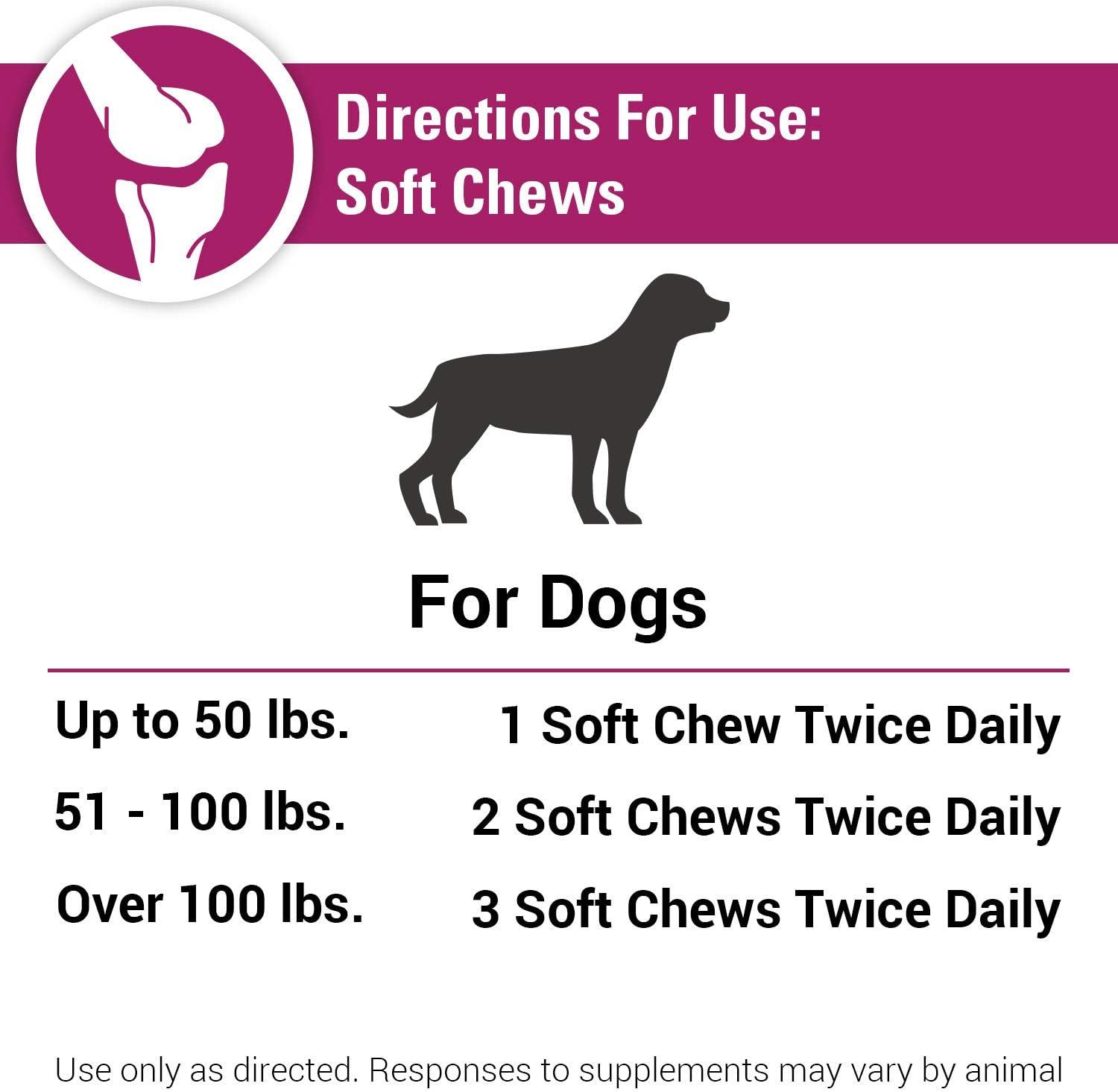
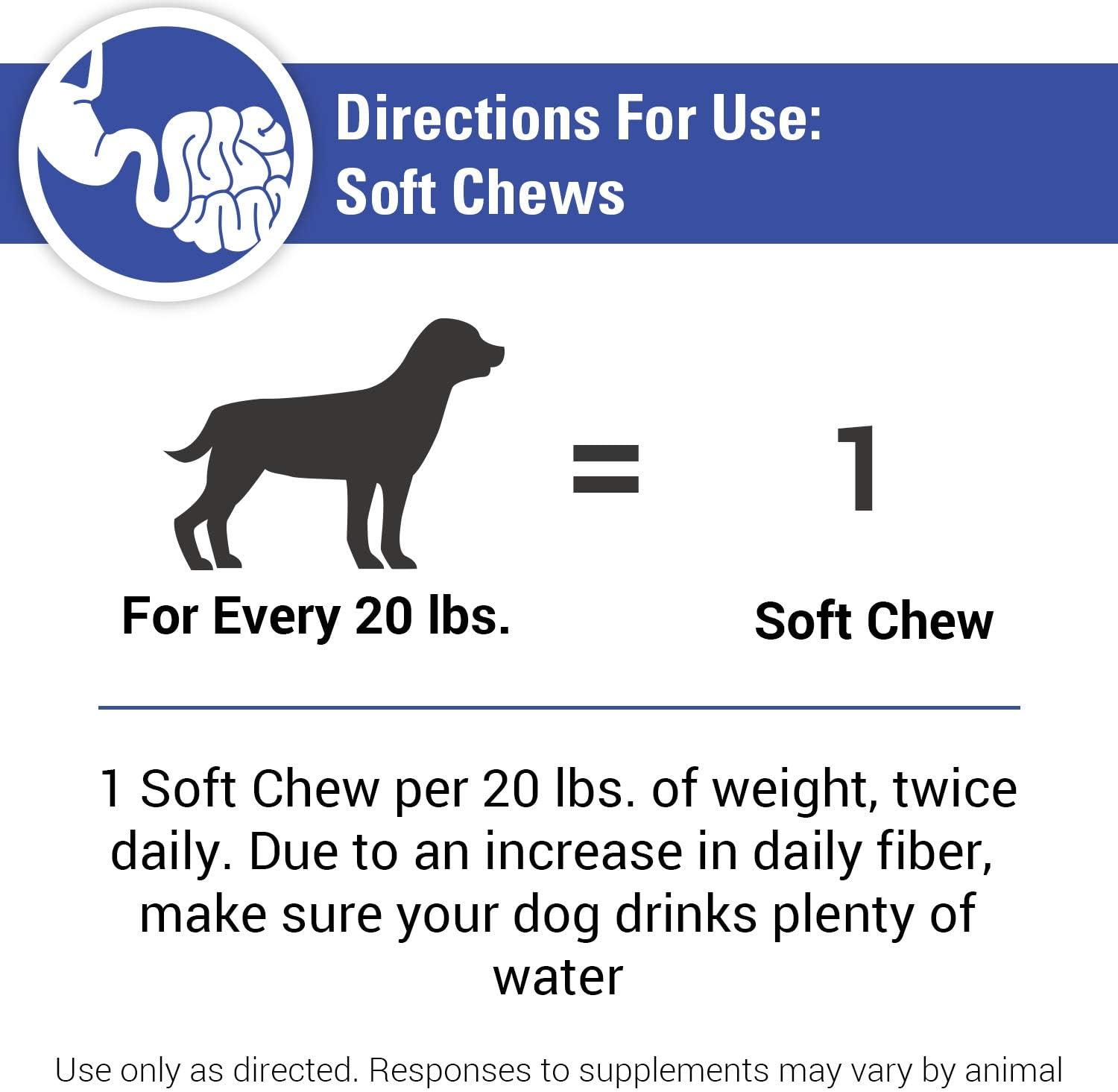
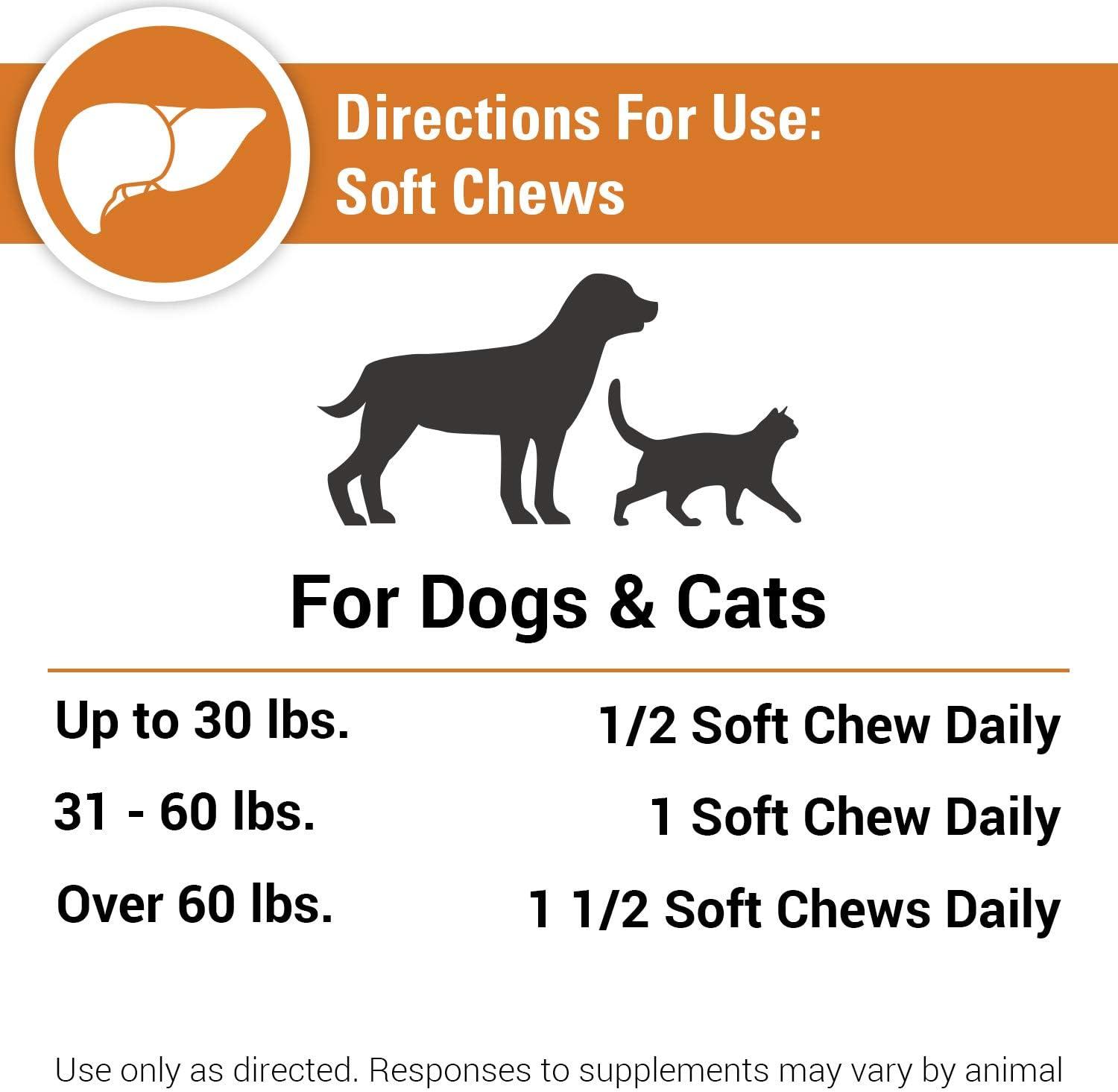
Some dogs may also benefit from dietary adjustments, added fiber, or supplements that promote anal gland health. Discuss with your vet the best options to prevent chronic issues related to anal sacs, so you reduce the need for frequent manual expressions.
Frequently asked Questions
Is it safe to express my dog’s anal glands at home?
Yes, it is safe to express dog anal glands at home if you follow the correct method, use gloves, stay gentle, and watch for signs of infection or pain. However, if you are unsure or uncomfortable, it is always best to seek help from your veterinarian.
How often do I need to express my dog’s anal glands?
Most dogs naturally express their anal glands during bowel movements. Only a small percentage need regular manual expression. Frequency varies by dog; some may need monthly expression, while others never require it. Always follow your vet’s advice.
What are signs that my dog’s anal glands are impacted or infected?
Common signs include scooting on the floor,excessive licking or biting of the rear,foul odor from the anal area,redness or swelling,discomfort sitting,or even visible pus or blood. If any of these are present, contact your veterinarian promptly.
Conclusion
Learning how to express your dog’s anal glands at home can be a helpful skill that improves your pet’s comfort and health. By understanding the anatomy, recognizing symptoms that indicate gland issues, and following a safe, step-by-step procedure, you can effectively relieve your dog’s discomfort in between veterinary visits.
Always practise gentle care and hygiene, and never hesitate to consult your vet if you have concerns or notice signs of serious problems. With patience and knowledge, expressing your dog’s anal glands can become a manageable part of their regular health routine, keeping your dog happy and healthy.