Introduction
Crate training is one of teh most effective and humane methods to help your puppy adjust to thier new environment while establishing a routine that promotes good behavior. Whether you’re a first-time dog owner or looking to improve your training approach, crate training offers numerous benefits such as providing a safe space, aiding in housebreaking, and reducing anxiety. This step-by-step guide will walk you through the process with practical tips to ensure a smooth and accomplished crate training experience.
Understanding the right way to crate train your dog helps build trust and sets the stage for future obedience training. With patience, consistency, and positive reinforcement, your puppy will come to see their crate as a cozy den rather than a confining space. Let’s explore the best strategies you can start implementing today for a happier and well-adjusted canine companion.
Choosing the Right Crate and Preparing the Space
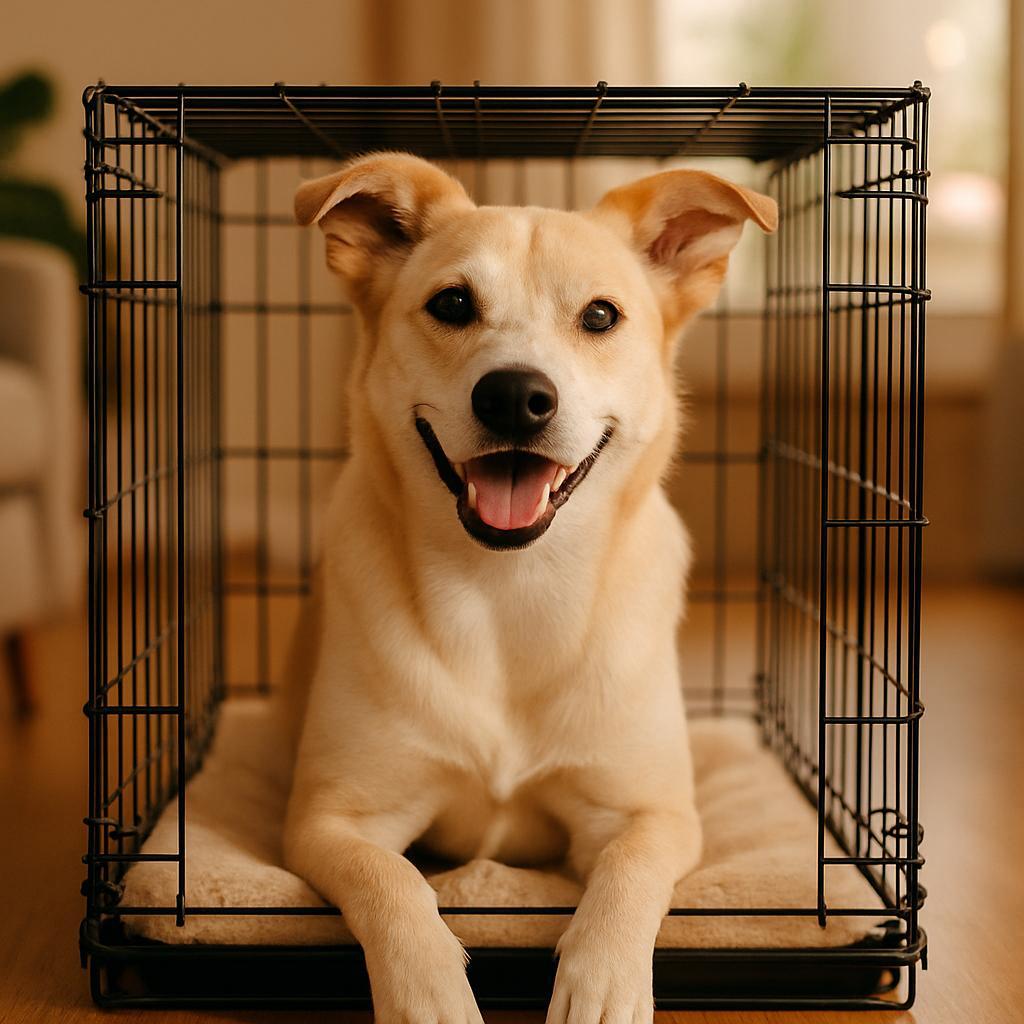
Before beginning crate training, selecting the appropriate crate for your puppy is crucial. It should be large enough for your dog to stand, turn around, and lie down comfortably, but not so spacious that thay have an area to use as a bathroom inside. Wire crates, plastic crates, or fabric crates each have pros and cons, depending on your dog’s preferences and your living situation.
Once you have your crate, prepare the space by placing it in a common area such as the living room where the family spends a lot of time. This ensures your dog doesn’t feel isolated and can observe household activities, which helps reduce anxiety. Add a soft blanket or crate pad to increase comfort but avoid anything that is chewable for young puppies during their early stages.Introducing the crate as a positive,safe space sets the foundation for successful crate training.
Introducing Your Puppy to the Crate Step by Step
Start by leaving the crate door open and encouraging your puppy to explore it on their own. Use treats,toys,or praise to lure them inside. The goal is for your dog to associate the crate with positive experiences rather than punishment. You might say, “Go to your crate,” rewarding them when they do so.
Next, feed your puppy their meals inside the crate to build a positive connection. Gradually increase the time they spend inside with the door closed, beginning with just a few seconds, then extending to several minutes or longer sessions over days. always remain nearby at first, reassuring your puppy, before slowly increasing the distance and duration of your absence.
Our Top Product Recommendations


Maintaining Consistency and Troubleshooting Common Challenges
Consistency is key when it comes to crate training. Establish a daily routine that includes crate time, potty breaks, meals, playtime, and rest. Avoid using the crate as a form of punishment; rather, it should be your dog’s sanctuary. Praise and reward your dog for calm behavior inside the crate to reinforce it as a positive space.
If your puppy whines or barks at first, try not to open the crate instantly as this may reinforce the behavior. Ensure your pup’s basic needs are met, such as bathroom breaks and exercise, before crate time. If necessary,make the crate more pleasant with a favorite toy or a piece of your clothing for your scent,which can soothe anxious puppies.
Frequently Asked Questions
how long should I leave my puppy in the crate?
For very young puppies, limit crate time to 30 minutes to 1 hour during the day. As your puppy grows, you can gradually increase crate time, but adult dogs should not be crated more than 4 to 6 hours at a stretch. Always balance crate time with plenty of exercise and social interaction.
What if my dog hates the crate?
Take a step back and slow down the training process. Use treats and toys to encourage your dog to enter voluntarily, and never force them inside. Make the crate cozy and associate it with positive experiences like feeding or quiet time. Patience and positive reinforcement usually help your dog overcome initial resistance.
Is it okay to leave the crate door open?
Yes, in the beginning it’s beneficial to keep the door open so your dog can explore and enter the crate at will. This reduces fear and helps create a positive relationship. As the dog becomes comfortable,you can close the door for short periods during training sessions.
Conclusion
Crate training can make a important difference in your puppy’s behavior and well-being when done thoughtfully and with patience. By choosing the right crate, introducing it carefully, and maintaining a consistent routine, you will help your puppy feel safe and secure. Remember that every dog learns at their own pace, so celebrate the small milestones and keep reinforcing positive habits.
Investing time into crate training is an investment in your dog’s future happiness and your peace of mind. Step by step, you can build trust and create a strong foundation for a well-behaved and confident companion. Your crate-trained dog will thank you with years of loyal friendship and joy.