Introduction
Crate training is a highly effective method for teaching your dog to feel safe, comfortable, adn secure in their own space. Whether you’re housebreaking a puppy or introducing a new adult dog into your home, crate training offers numerous benefits, including reducing anxiety, preventing destructive behaviour, and aiding in travel or vet visits. By following a structured step-by-step approach, you can help your dog develop a positive association with their crate and ensure the training process is smooth and stress-free.
This comprehensive guide will walk you through how to crate train a dog step by step, covering everything from choosing the right crate to reinforcing good habits.With patience and consistency, you can transform the crate into your dog’s favorite spot that they look forward to spending time in.
Choosing the Right Crate and Setting It Up
Before you begin the crate training process,the first step is selecting the appropriate crate for your dog. The crate should be large enough for your dog to stand, turn around, and lie down comfortably but not so large that they have plenty of space to use one corner as a bathroom. Crates come in a variety of materials such as wire, plastic, and fabric, so consider your dog’s temperament and your lifestyle when making a choice. For puppies, a wire crate with a divider panel is often ideal because you can adjust the size as your dog grows.
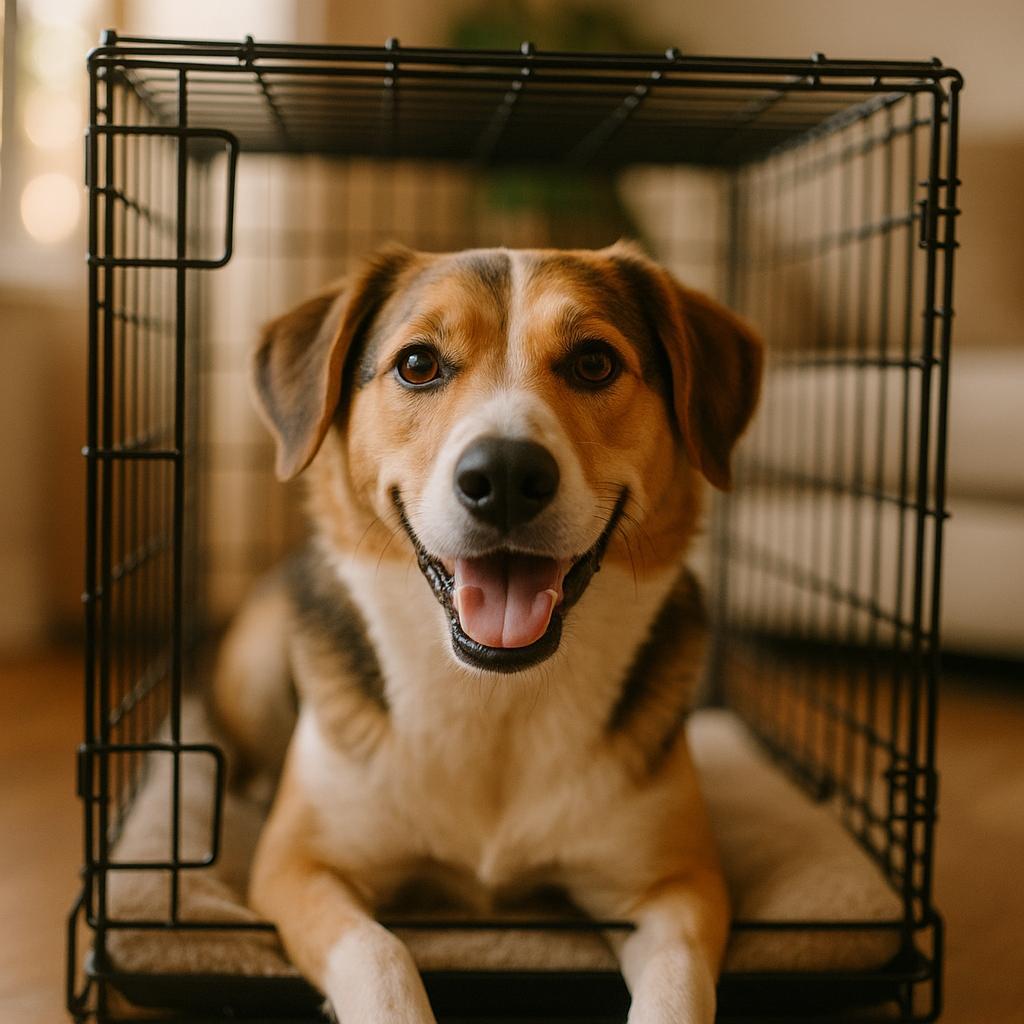
Once you have your crate, place it in a quiet but social part of your home, such as the living room or kitchen, so your dog doesn’t feel isolated. Make the crate inviting by adding a soft blanket or crate pad and some favorite toys. It’s vital that your dog sees the crate as a cozy den rather than a place of punishment. Let your dog explore the crate on their own initially, feeding meals near or inside the crate to build positive associations.
Step-by-Step Crate Training Process
Starting crate training involves gradually introducing your dog to the crate and encouraging them to enter willingly. Begin by placing tasty treats or kibble inside the crate, allowing your dog to discover the rewards inside at their own pace. keep the crate door propped open initially so your dog doesn’t feel trapped, and be sure to reward any interest your dog shows toward the crate.
Once your dog comfortably enters the crate to retrieve treats, start closing the door for short periods while you’re nearby. Begin with just a few seconds, gradually increasing the time the door stays closed to minutes and then hours. Always stay close in the early stages and avoid leaving your dog alone in the crate for extended periods to prevent stress. Be calm and relaxed yourself, speaking softly and offering treats through the crate bars to soothe your dog.
Our Top Product Recommendations
MidWest iCrate Dog Crate
This durable wire dog crate is perfect for both puppies and adults, featuring a divider panel to adjust the size as your dog grows. Easy to fold and transport, it’s well-ventilated and easy to clean.
Petmate Vari Kennel
A sturdy plastic crate ideal for travel and vet visits, providing a cozy space your dog will feel secure in. It comes with side vents for airflow and a metal door with secure latches.
Midlee Foldable Soft Dog Crate
Designed for comfort and portability,this soft crate is great for small to medium dogs,featuring mesh panels for ventilation and easy fold-up design for on-the-go use.
Common Mistakes to Avoid during Crate training
One of the biggest mistakes dog owners make is using the crate as a form of punishment. This can damage your dog’s trust and create a negative association with the crate, making training much more challenging. Always use positive reinforcement techniques like treats, praise, and toys to encourage your dog to enter and enjoy their crate.
Another common pitfall is rushing the training process. Dogs, especially puppies, may need several weeks to fully adjust to their crate. Pushing your dog to stay in the crate for too long too soon can increase anxiety and resistance. Pay attention to your dog’s behavior and comfort level during each phase and proceed at a pace they are comfortable with.
Additionally, consistency is key. Make sure all family members follow the same crate training routines and rules to avoid confusing your dog. A well-established routine helps your dog understand that the crate is a safe and predictable space.
Frequently Asked Questions
How long should my dog stay in the crate during the day?
For puppies, crating should typically be limited to one hour per month of age plus one hour (e.g., a 3-month-old puppy for up to four hours). Adult dogs can generally be crated for up to six to eight hours, but it’s important to provide breaks for exercise, bathroom, and social interaction.
My dog cries when I leave them in the crate. What should I do?
It’s common for dogs to whine or cry when first introduced to crate training. Avoid letting them out while they are crying, as this reinforces the behavior. Rather, wait for a pause in the crying before opening the door. Gradually build up your dog’s comfort and time in the crate with rewards and calm reassurance.
Can I use the crate for all day confinement?
Crates should not be used for all-day confinement as dogs need regular exercise, bathroom breaks, and social interaction. Long-term crate confinement can lead to stress and physical health issues.Use crates for manageable durations and balance crate time with plenty of free play and interaction outside the crate.
Conclusion
Crate training is a valuable tool for dog owners that can create a safe, comfortable environment for your furry friend while helping with behavior management and house training. With the right crate, a positive mindset, and a step-by-step approach, you can make the crate a secure haven your dog loves spending time in.
Remember to be patient, consistent, and gentle throughout the process. Every dog learns at their own pace, and by following the steps outlined in this guide, you’ll be well on your way to accomplished crate training that benefits both you and your dog for years to come.