Introduction
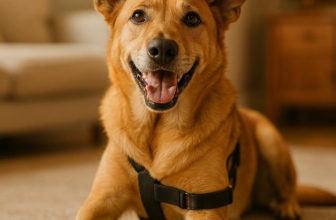
Caring for a senior dog requires a thoughtful approach to ensure they live their golden years with comfort, happiness, and good health. As dogs age,their needs change,and being attentive to these shifts can significantly impact their quality of life. Whether your furry friend is just entering their senior stage or has been with you for a few years already, adopting proper care strategies at home will help you support their well-being every step of the way.
In this blog post, we will share practical tips and essential advice on how to care for your senior dog at home. From nutrition and exercise to comfort and medical care, these insights will empower you to provide the best environment for your aging companion to thrive.
Understanding Your Senior Dog’s Changing Needs
As dogs grow older, they experience physical and behavioral changes that require adjustments in their daily routine. One of the first signs of aging to notice is a decrease in energy levels. Senior dogs might not enjoy long, vigorous play sessions like they did before, but they still benefit greatly from gentle exercise to maintain muscle tone and cardiovascular health.
Additionally, older dogs may develop joint stiffness, arthritis, or other age-related ailments that affect mobility. Recognizing these signs early and consulting your veterinarian can definitely help manage these conditions and improve your dog’s comfort. Keeping an eye on changes in appetite, weight, and behavior is also critically important, as these can indicate underlying health issues that need attention.
Adjusting Diet and Nutrition for Senior Dogs
Proper nutrition is crucial for a senior dog’s health. Aging dogs often require diets tailored to their specific needs, including lower calorie intake to prevent obesity, higher fiber to support digestion, and added supplements to promote joint health, such as glucosamine and omega fatty acids.Consult your vet to choose the best senior dog food that balances these elements and suits your dog’s unique health profile.
Hydration should never be overlooked either. Senior dogs tend to drink less water, which can lead to dehydration and kidney problems. Encourage regular water intake by providing fresh, clean water constantly, and consider hydrating foods or supplements if necessary. Additionally, dividing meals into smaller portions throughout the day can aid digestion and maintain steady energy levels for your aging pet.
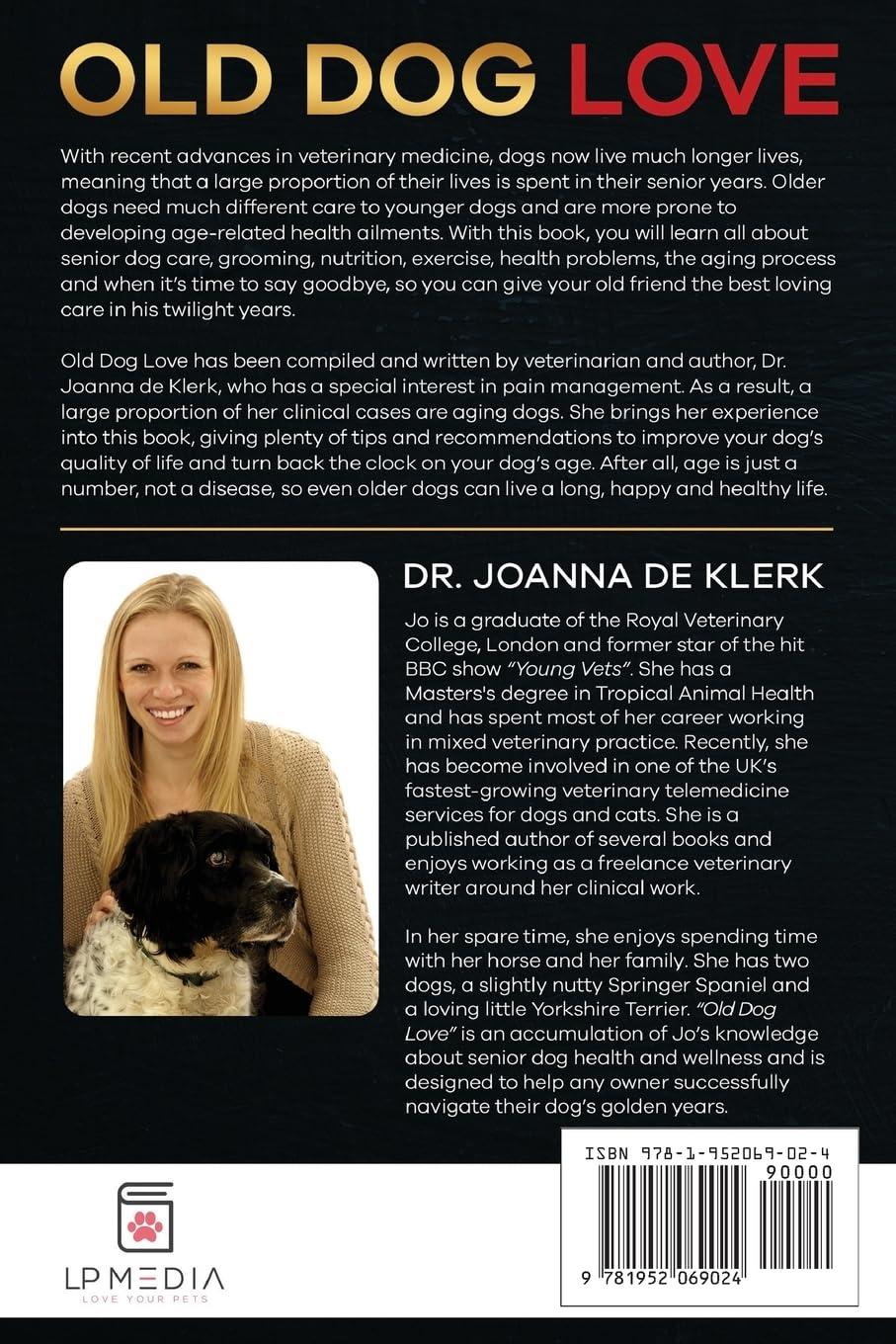
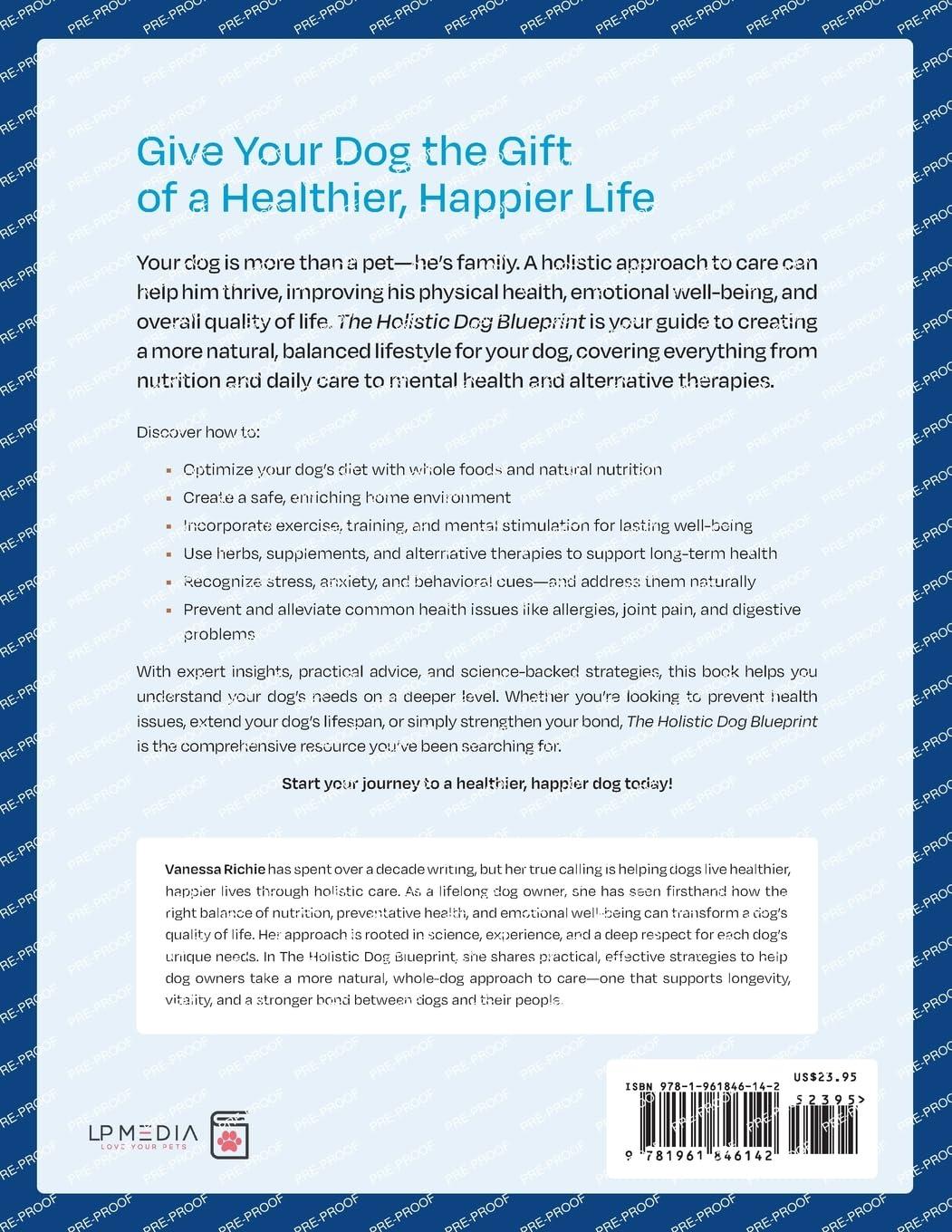
Our Top Product Recommendations

Creating a Agreeable and Safe Environment
Senior dogs may face mobility challenges,so modifying your home environment to minimize strain and potential hazards is essential. Provide orthopedic bedding to ease pressure on aching joints and place it where your dog enjoys spending time. Consider using ramps or stairs to help your dog access favorite spots, such as couches or beds, without jumping.
Slippery floors can be dangerous for older dogs, increasing the risk of falls.Adding non-slip mats or rugs in key areas can improve traction and stability. Keep your dog’s living space clutter-free to avoid tripping hazards and ensure easy access to food, water, and resting areas.
The temperature in your home should also be well-regulated. Senior dogs are frequently enough more sensitive to cold,so providing warm blankets or heated pads during colder months can be very comforting. Conversely, cooling options during hot weather prevent overheating, which is also a concern for aging pets.
Frequently Asked Questions
How frequently enough should I take my senior dog to the vet?
Senior dogs should visit the veterinarian at least twice a year for extensive check-ups to monitor their health closely. Regular exams help detect age-related conditions early and allow for timely interventions,ensuring your dog maintains the best possible quality of life.
What are some signs of aging I should watch for in my dog?
Common signs include decreased activity, stiffness or difficulty moving, changes in appetite or weight, increased thirst or urination, cloudiness in the eyes, and behavioral changes like confusion or irritability. Noticing these early and consulting your vet can make a significant difference.
can I give my senior dog supplements?
Yes, many supplements can benefit senior dogs, such as glucosamine for joint health, omega-3 fatty acids for skin and coat, and antioxidants to support immune function. Always check with your veterinarian before introducing any supplement to ensure safety and appropriateness.
Conclusion
Caring for a senior dog at home is a rewarding journey filled with special moments and learning experiences. By understanding their changing needs, providing proper nutrition, creating a safe environment, and staying vigilant about their health, you can help your furry friend enjoy a happy and comfortable life in their senior years.
With love, patience, and careful attention, you will not only add years to your dog’s life but also quality and joy to every day you share together. Remember,your senior dog depends on you now more than ever,and your compassionate care makes all the difference.