Introduction
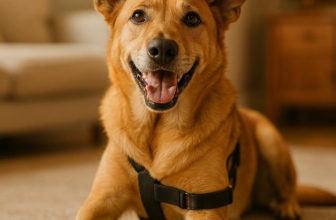
As a loving dog owner, noticing any discomfort or health issue in your furry friend can be worrying. one common problem many dogs face is eye infections, which can cause irritation, redness, and even affect their vision if left untreated. Understanding the symptoms and treatment options for dog eye infections is essential to ensure your pet stays healthy and agreeable.
In this detailed guide, we will walk you through the most common signs of dog eye infections, how you can safely treat them at home, and when it’s crucial to seek veterinary care. With proper knowledge and prompt action, you can help your canine companion recover quickly and avoid further complications.
Recognizing Dog Eye Infection Symptoms
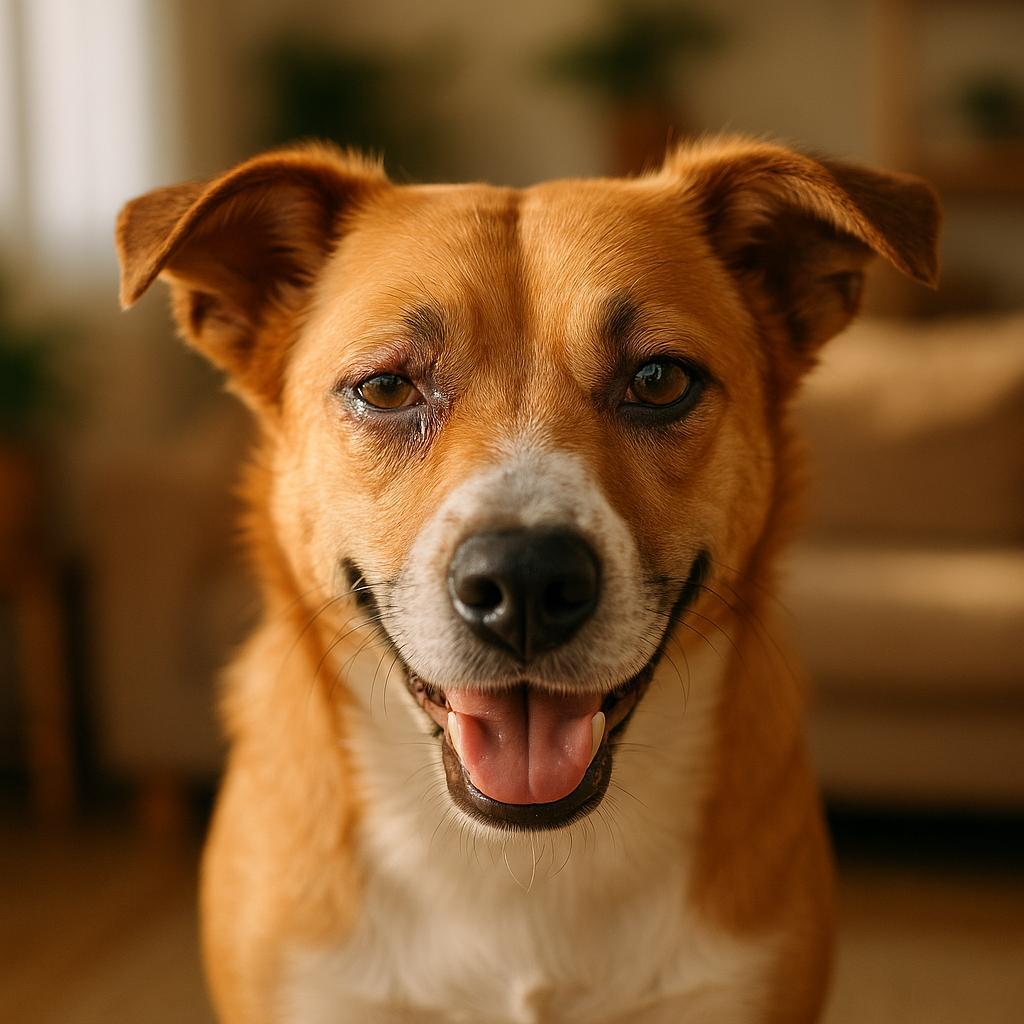
Dog eye infections can manifest through a variety of signs, some subtle and others more obvious. Early identification is key to preventing the infection from worsening.One of the first things to look out for is excessive tearing or discharge. This discharge can range from clear to yellow, green, or even bloody, indicating the severity and type of infection your dog might be experiencing.
Other symptoms include redness around the eyes, swelling of the eyelids, and your dog frequently pawing or rubbing their eyes. In more severe cases, you might notice squinting, sensitivity to light, or cloudiness in the eye, which can suggest deeper eye problems beyond a simple infection. Keep a close eye on your dog’s behavior and appearance, as these signs can help you catch an infection early.
Effective Treatment Options for Dog Eye Infections
Once you notice symptoms of a dog eye infection, prompt treatment is essential. Mild infections can sometimes be addressed with home remedies such as cleaning the eye gently using a saline solution or a warm damp cloth to remove discharge.However, it is crucial not to use human eye drops or medications without consulting a veterinarian, as some substances can be harmful to dogs.
In most cases, your vet will prescribe antibiotic or antifungal eye drops or ointments to fight the infection directly. Administering these medications as directed is vital for clearing the infection swiftly.Additionally, if your dog has allergies or underlying conditions contributing to recurrent eye infections, addressing these root causes alongside infection treatment is necessary for long-term eye health.
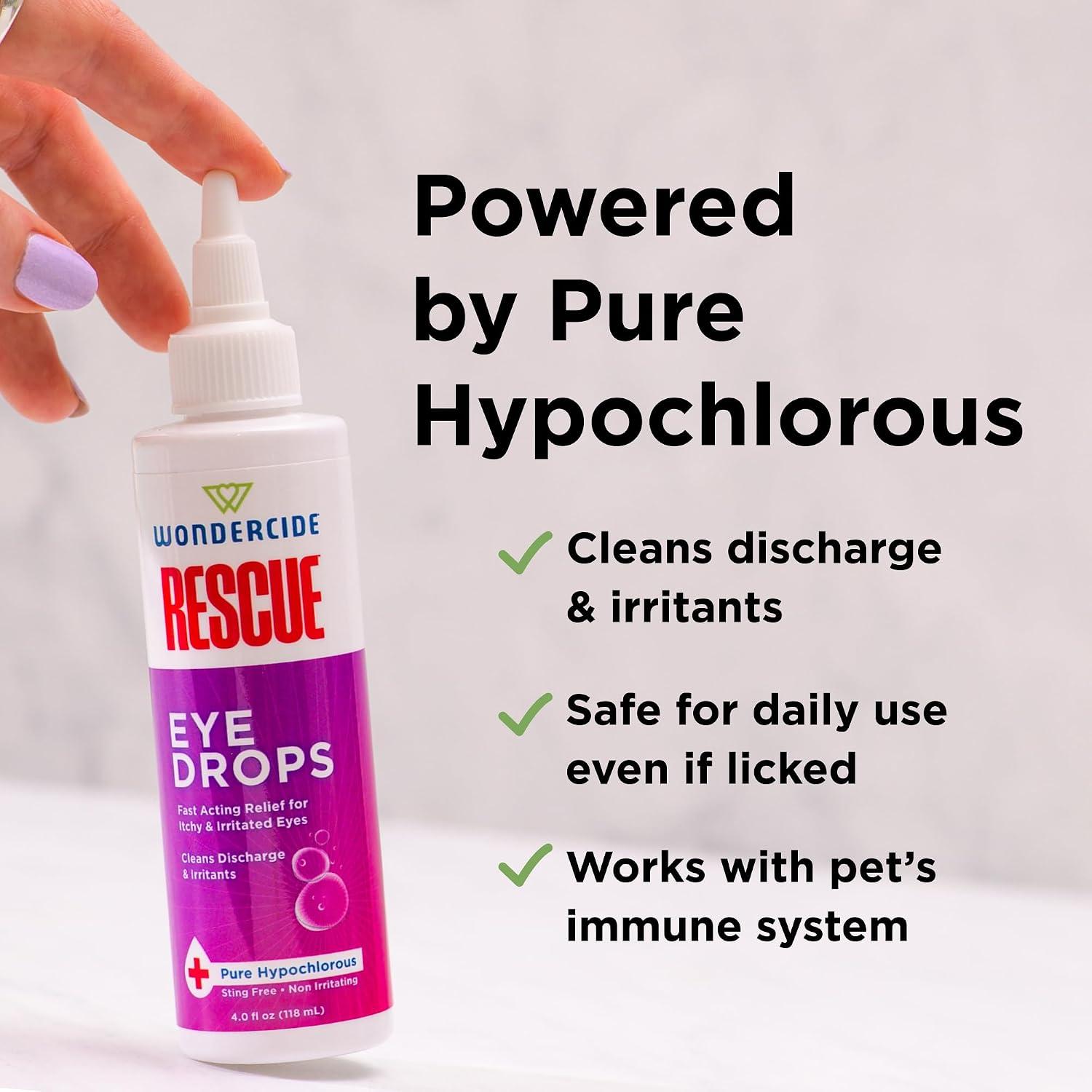
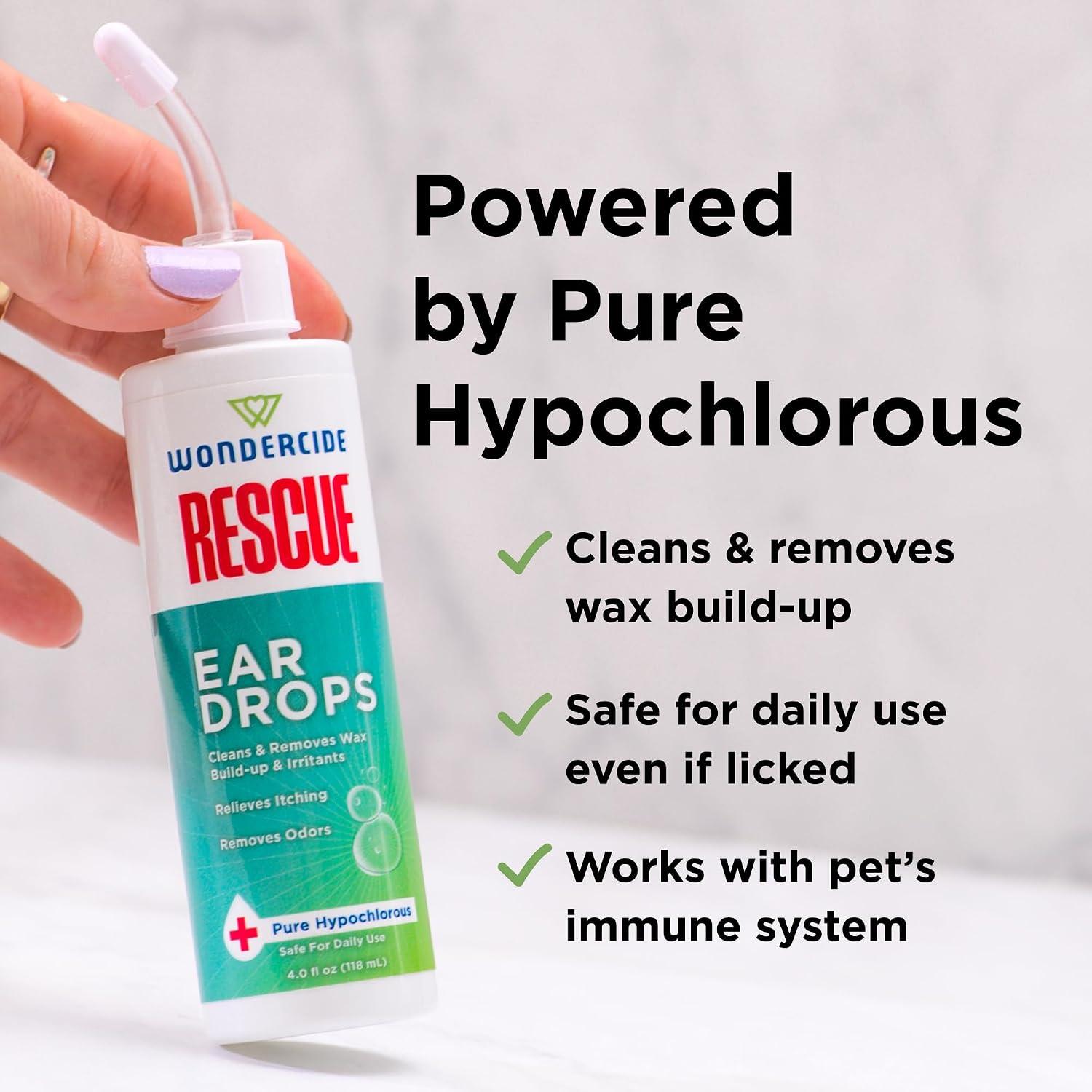
Our Top Product Recommendations
Preventing Recurrences and Maintaining Eye Health
Prevention is always better than cure, especially when it comes to your dog’s eye health. Regular grooming,including trimming hair around the eyes,can help minimize irritation caused by dirt,dust,and hair poking into the eyes. Keeping your dog’s living area clean and free from allergens is also important for reducing the risk of eye infections.
Routine check-ups with your veterinarian will help catch any underlying issues such as allergies, eyelid problems, or tear drainage blockages that predispose your dog to infections. Additionally, ensuring your dog’s diet supports a strong immune system can reduce their susceptibility to infections. Using vet-approved eye protection during outdoor activities, like dog goggles, can also shield their eyes from harmful UV rays and environmental debris.
Frequently asked Questions
What should I do if my dog has a red and swollen eye?
If your dog’s eye is red and swollen, gently clean the area with a saline solution and observe for any discharge or changes. If symptoms persist more than 24 hours or worsen, contact your veterinarian promptly, as this could be a sign of an infection or other serious eye condition.
Can I use human eye drops on my dog?
No, you should never use human eye drops on your dog unless directed by a veterinarian. Many products designed for humans contain ingredients that are unsafe or irritating for dogs, potentially worsening the problem.
How long does it take for an eye infection in dogs to heal?
The healing time varies depending on the severity and cause of the infection. Mild infections might clear within a few days with proper treatment,while more severe cases could take up to two weeks or longer. Always follow your vet’s recommendations and complete the full course of medications to ensure full recovery.
Conclusion
Dog eye infections can be uncomfortable and distressing for your furry friend, but with early recognition and proper treatment, most infections resolve quickly without lasting issues. By staying informed about the symptoms and available treatment options,you can provide timely care and support for your dog’s eye health.
Remember, when in doubt, never hesitate to consult your veterinarian to get an accurate diagnosis and safe treatment plan for your pet. With vigilance and care, you can keep your dog’s eyes bright and healthy for years to come.