
Introduction
Omega 3 supplements for dogs have gained meaningful popularity among pet owners who want to ensure their furry friends live a healthy, active life. These essential fatty acids play a vital role in maintaining a dog’s skin, coat, joints, and overall vitality. Unlike some nutrients that dogs can produce on their own, omega 3 fatty acids must be obtained through diet or supplements, making it critical to choose the best products to support your pet’s wellness.
In this comprehensive guide, we will explore the benefits of omega 3 supplements for dogs, what to look for when selecting the right product, and top-rated omega 3 supplements that can boost your dog’s health and energy. Whether you have a playful puppy or a senior dog, incorporating omega 3 supplements into their routine can promote longevity and happiness.
Why Omega 3 Supplements Are Essential for Your Dog’s Health
Omega 3 fatty acids, including EPA and DHA, are crucial for many physiological functions in dogs. They help reduce inflammation, support cardiovascular health, improve brain function, and promote healthy skin and a shiny coat. Dogs with omega 3 deficiencies may experience dry skin, dull fur, joint stiffness, and reduced immune function, which is why supplementation is often beneficial.
Commercial dog food doesn’t always provide an adequate supply of these vital fatty acids, especially if the diet lacks high-quality fish oils or other omega 3-rich ingredients. Adding a supplement can fill this nutritional gap, ensuring your pet gets the necessary nutrients to thrive. Moreover, omega 3s are known to alleviate symptoms in dogs suffering from allergies, arthritis, and even some behavioral disorders.
How to Choose the Best Omega 3 Supplement for Your Dog
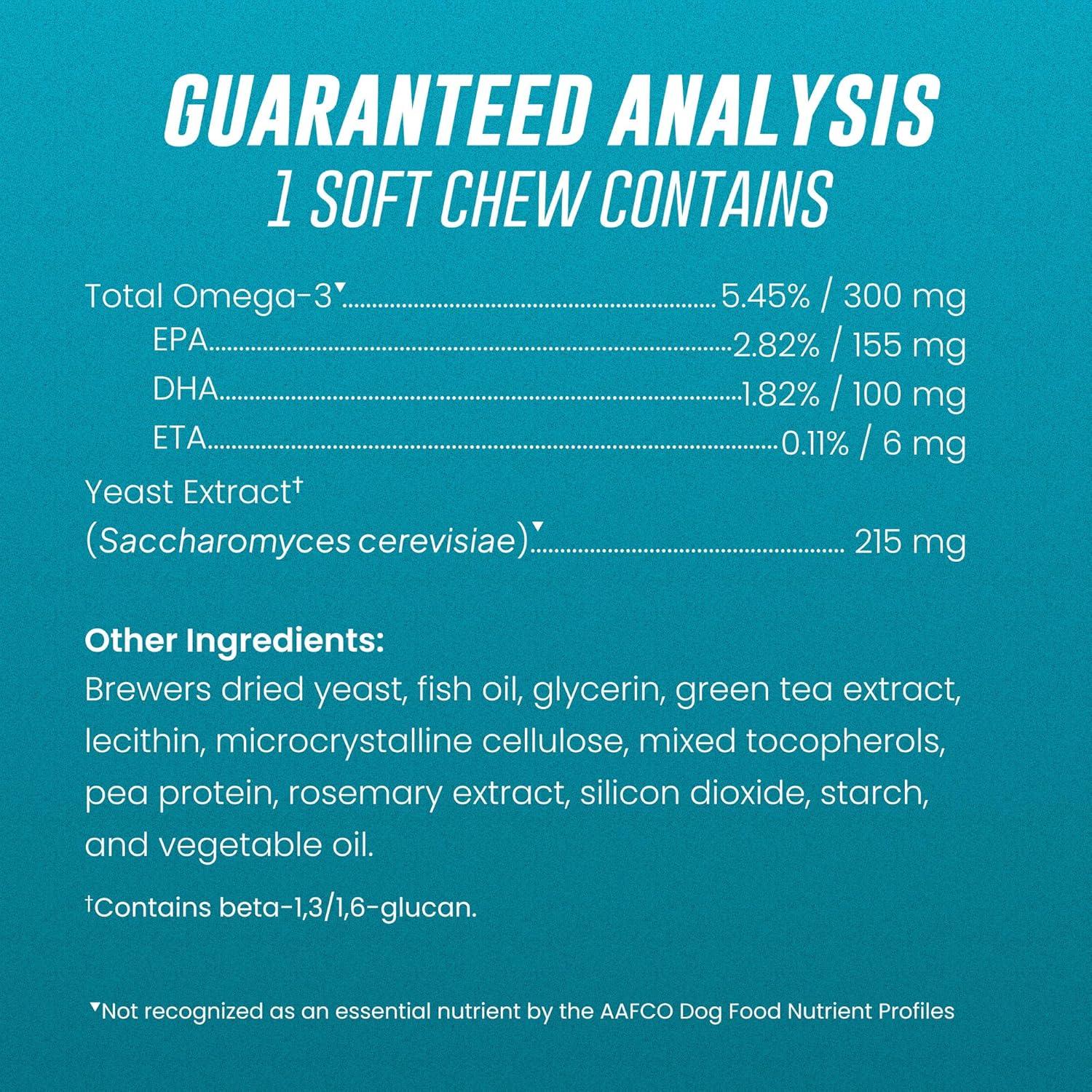
Choosing the perfect omega 3 supplement for your dog can be overwhelming given the variety of options available. The best supplements should have a high concentration of EPA and DHA as these are the most beneficial types of omega 3 fatty acids for your dog’s health. Sources from fish oil such as salmon, anchovy, or sardine oil are preferable because they are rich in these components.
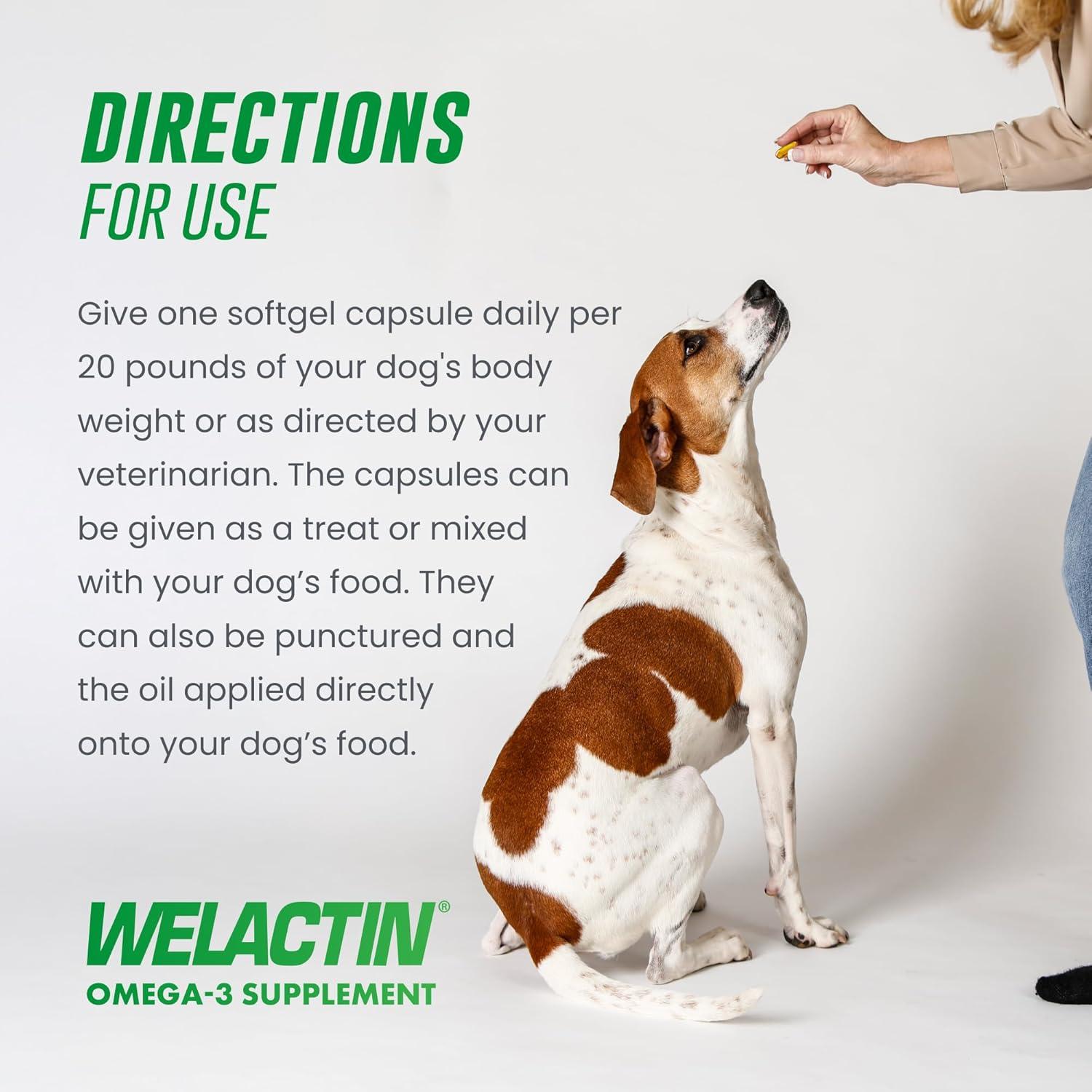
It’s also critically important to consider the form of supplement that best suits your dog’s size, taste preferences, and any dietary restrictions. Supplements come in various forms, including liquids, softgels, and chews. For picky eaters, flavored soft chews may be the easiest way to provide omega 3s without the fight. Meanwhile, liquid oils offer easy dosage adjustments and can be mixed directly into food.
Lastly, look for products that have been tested for purity and are free of contaminants such as heavy metals and PCBs. Certifications from reputable organizations and transparent ingredient lists can definitely help ensure you’re getting a safe and effective product for your beloved pet.

Our Top Product Recommendations
Benefits of Omega 3 Supplements Beyond Skin and Coat Health
While many dog owners first discover omega 3 supplements as a way to improve their dog’s skin and coat, the benefits extend far beyond these visible perks. Omega 3s support joint health by reducing inflammation, which is especially beneficial for older dogs or breeds prone to arthritis. Dogs with arthritis treated with omega 3 supplements often show improved mobility and reduction in discomfort.
Additionally, omega 3 fatty acids contribute to brain health and cognitive function in dogs. studies have shown that these supplements may help delay cognitive decline in senior dogs, improving their quality of life. Immune system support is another advantage-regular omega 3 supplementation strengthens immune response and may aid in faster recovery from illnesses.
Another underrated benefit is kidney health support. Omega 3 fatty acids help reduce inflammation in the kidneys and promote overall renal function,which is a critical consideration as many dogs can develop kidney issues with age.
Frequently Asked Questions
How much omega 3 should I give my dog daily?
The dosage of omega 3 varies based on your dog’s size, age, and health condition. A typical advice is 20-55 mg of combined EPA and DHA per pound of body weight daily.However, it is always best to consult your veterinarian for precise dosing to meet your dog’s unique needs.
Are fish oil supplements safe for all dogs?
Yes, fish oil-based omega 3 supplements are generally safe for most dogs when used as directed. However, dogs with certain medical conditions or those on blood-thinning medications may require veterinary supervision before starting supplements. Quality matters, so choose supplements tested for purity and low toxin levels.
can omega 3 supplements prevent allergies in dogs?
while omega 3 supplements may not completely prevent allergies,they can help reduce symptoms such as itching,redness,and inflammation associated with allergic reactions. Omega 3’s anti-inflammatory properties make them a valuable part of managing skin allergies and promoting skin barrier health.
Conclusion
Incorporating high-quality omega 3 supplements into your dog’s daily routine can make a remarkable difference in their health, appearance, and overall vitality. From enhancing skin and coat to supporting joints, brain, and immune health, omega 3 fatty acids are essential nutrients that no dog should miss out on.
By selecting a trusted product like the ones we recommended and following proper dosage guidelines, you can ensure your furry friend enjoys a happier, healthier life. Always consult with your veterinarian before introducing new supplements, and watch as your dog thrives with the benefits of omega 3.