Introduction
Skin allergies can be a frustrating and uncomfortable issue for many dogs. As a loving pet owner, watching your furry friend scratch incessantly or suffer from irritated skin is heartbreaking. fortunately, one of the most effective ways to soothe your pup naturally is through choosing the best dog food for skin allergies. The right nutrition can support healthy skin, reduce inflammation, and minimize allergic reactions.
In this blog post, we will explore the top dietary considerations for dogs with sensitive skin and recommend some of the best dog foods specially formulated to tackle skin allergies. Whether your dog experiences itchiness, redness, or flare-ups due to allergens, switching to an allergy-friendly diet can make a significant difference in their comfort and overall health.
Understanding Skin allergies in Dogs and How Diet Helps
Skin allergies in dogs occur when their immune system overreacts to certain substances, such as pollen, dust mites, or food ingredients. The resulting inflammation often leads to itching, redness, hair loss, and discomfort. While environmental allergens are difficult to avoid entirely, dietary allergies or sensitivities are manageable through smart food choices.
Many dogs react to common protein sources like beef or chicken, or to additives and fillers in commercial dog foods. By identifying and eliminating these culprits, you can reduce allergic reactions and promote skin healing. Hypoallergenic diets and foods with limited ingredients focus on novel protein sources and highly digestible nutrients to support sensitive skin from the inside out.
Moreover, certain nutrients such as omega-3 and omega-6 fatty acids, vitamins E and A, and antioxidants are essential to maintaining skin integrity and calming inflammation. A balanced diet rich in these elements can strengthen your dog’s natural skin barrier and boost their resilience against allergens.
key Ingredients to Look for in Dog Food for Skin Allergies
not all dog foods are created equal when it comes to managing skin allergies. To find the best dog food for skin allergies, it is significant to check the label closely and look for specific ingredients that support healthy skin and minimize allergic responses.
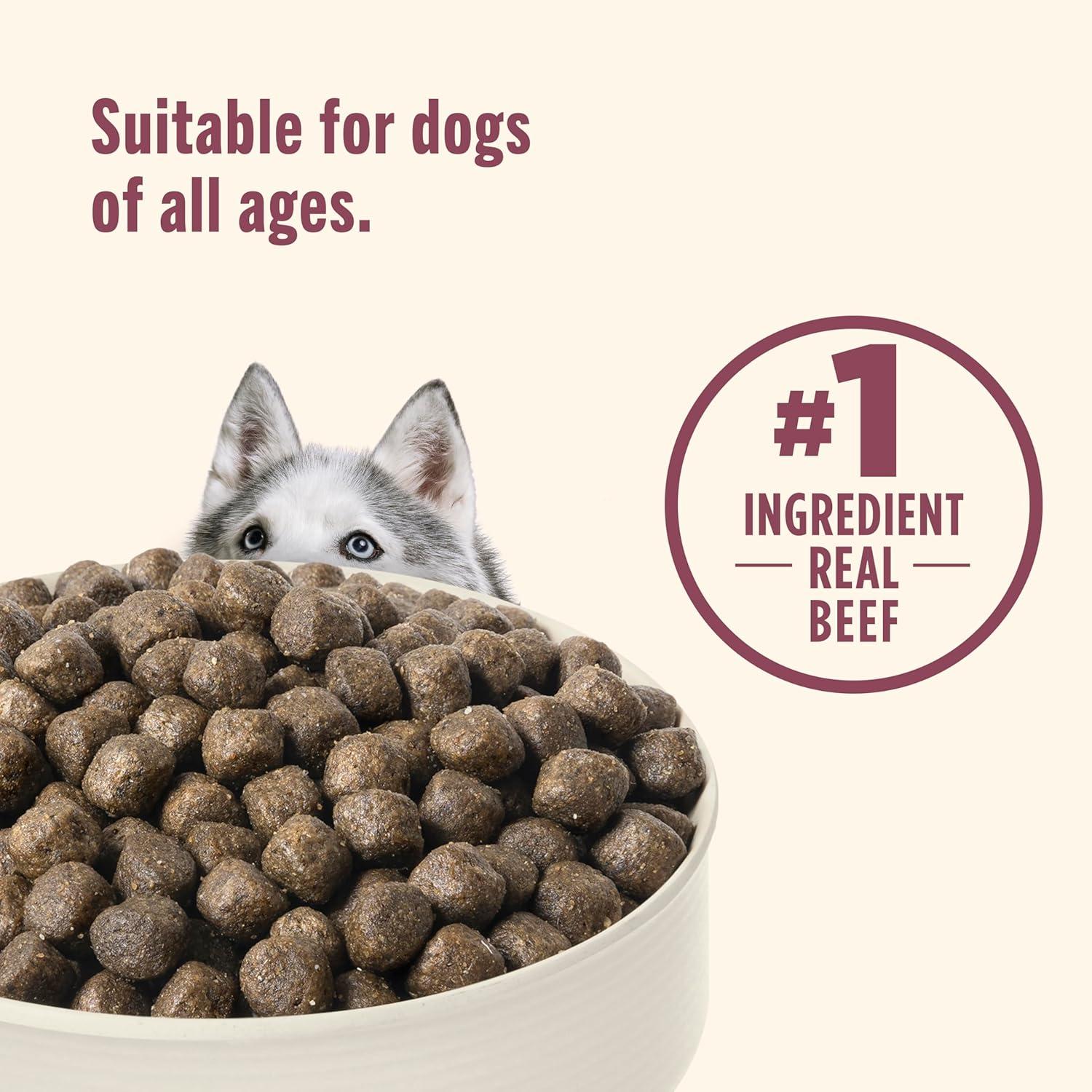
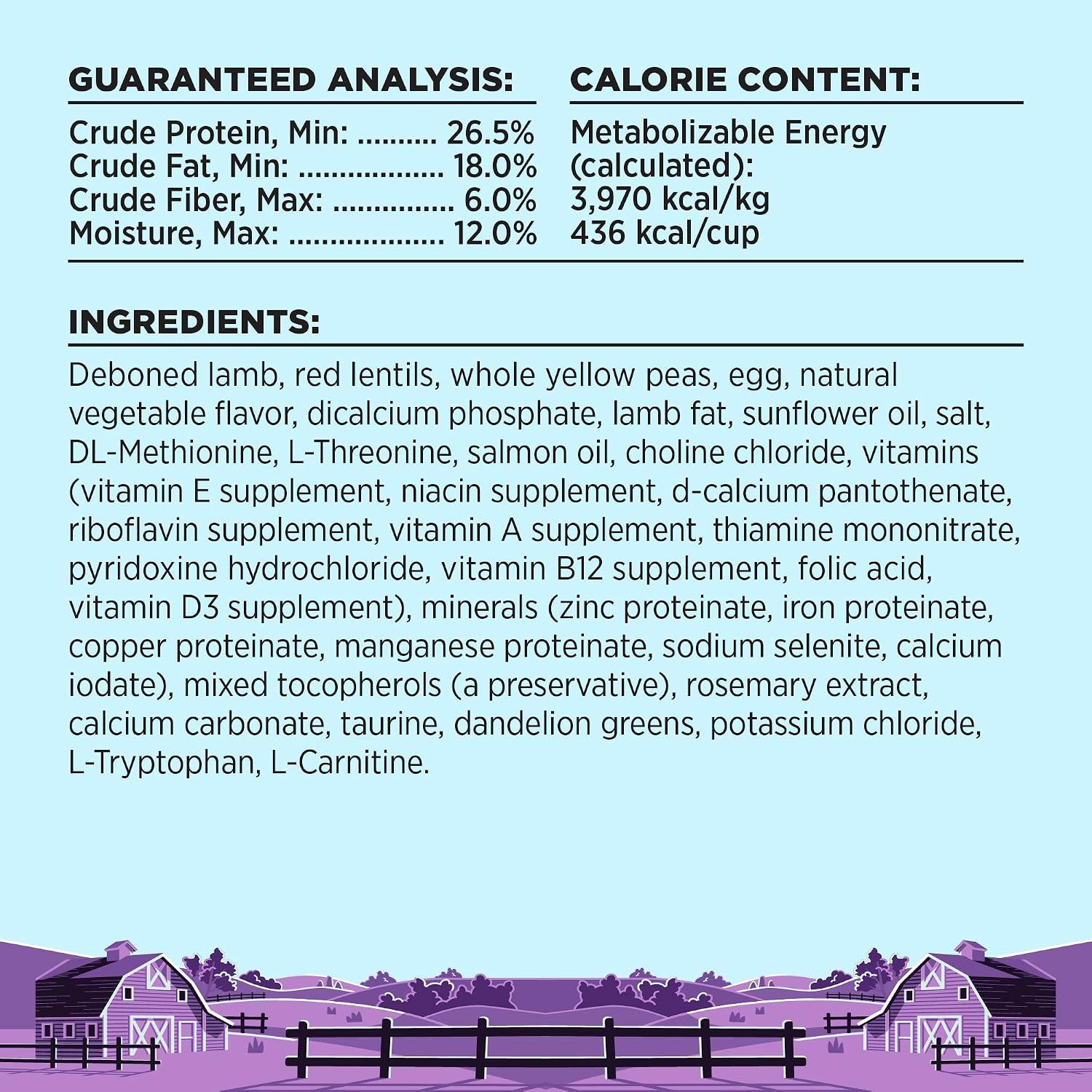
Novel Proteins: Proteins your dog has not been exposed to before, such as venison, lamb, or duck, are less likely to trigger food allergies. Rotating protein sources or using limited ingredient diets can be very helpful.
Fatty Acids: Omega-3 fatty acids from fish oil or flaxseed oil are renowned for their anti-inflammatory benefits and skin-supporting properties. These should be included to soothe irritated skin and enhance coat quality.
Limited Fillers and Additives: Avoid dog foods with artificial colors, flavors, preservatives, corn, wheat, soy, and excessive fillers. These can exacerbate allergy symptoms and irritation.
Our Top Product Recommendations
additional Tips for Managing Your Dog’s Skin Allergies
Beyond choosing the right dog food, there are several other measures you can take to help manage your dog’s skin allergies effectively. Regular grooming and bathing with hypoallergenic shampoos can wash away allergens on the coat and skin, reducing irritation and preventing flare-ups.
Ensure your dog’s habitat is clean by regularly washing bedding and vacuuming areas where your dog spends considerable time. This helps limit exposure to dust mites and pollen,common irritants for allergic dogs.
always consult your veterinarian to determine the root cause of your dog’s skin allergies. They may recommend allergy tests, supplements such as fish oil, or prescription diets designed to support skin health and immunity.
Frequently Asked Questions
What are the most common food allergens for dogs?
The most common food allergens in dogs include beef, dairy, chicken, wheat, soy, and corn. dogs can develop sensitivities to these ingredients, leading to skin irritation and allergies.
How long does it take for a dog’s skin to improve after changing their diet?
It typically takes about 6 to 8 weeks to notice significant improvement in a dog’s skin condition after switching to an appropriate hypoallergenic diet. Consistency is key to seeing lasting results.
Can homemade dog food help with skin allergies?
Yes, homemade dog food made with carefully selected ingredients can help manage skin allergies, but it’s important to ensure the diet is balanced and contains all essential nutrients. Consulting a veterinary nutritionist is recommended before making homemade food your dog’s primary diet.
Conclusion
Dealing with skin allergies in dogs requires patience, understanding, and a commitment to providing the best care possible. Choosing the right dog food tailored to sensitive skin and allergies can make a world of difference in your pup’s comfort and happiness. By focusing on novel proteins,omega fatty acids,and avoiding allergens,you can naturally soothe your dog’s skin and reduce itching and inflammation.
Remember, every dog is unique, so it may take some trial and error to find the perfect food for your furry friend. Pairing a high-quality diet with good grooming practices and vet guidance will give your dog the best chance at a healthy, itch-free life.