
introduction
As our beloved dogs grow older, their nutritional needs change significantly. Just like humans, older dogs require specific nutrients and dietary considerations to maintain optimal health and enjoy a long, happy life. Selecting the best dog food specifically formulated for senior dogs is essential to support their aging bodies and prevent common health issues that come with age.
In this thorough guide, we’ll explore the best dog food options for older dogs, addressing their unique dietary requirements, common health concerns, and tips on choosing the ideal food that promotes vitality and longevity. Whether your senior dog needs weight management, joint support, or enhanced digestion, you’ll find honest recommendations and helpful advice here.
Why Choosing the Right Food for Older Dogs Matters
As dogs age, their metabolism slows down, and they frequently enough become less active. This can led to weight gain if their diet doesn’t adjust accordingly. Overweight dogs are at greater risk for serious conditions such as arthritis, diabetes, and cardiovascular problems. Thus, it’s crucial to select dog food that supports a healthy weight with controlled calories but still provides ample nutrients.
Moreover, older dogs may develop joint stiffness, decreased immune function, and digestive sensitivities. A quality senior dog food usually contains balanced levels of protein to maintain muscle mass, antioxidants to support the immune system, omega fatty acids for joint and brain health, and fiber to aid digestion. Feeding your aging pooch the right diet helps preserve their quality of life and promotes longevity.
Key nutrients to Look for in Senior Dog Food
When shopping for the best dog food for older dogs, it’s essential to pay attention to the ingredient list and nutrition profile. High-quality senior dog foods typically focus on:
- protein: Moderate but easily digestible protein supports muscle maintenance without taxing the kidneys.
- Fat: Healthy fats like omega-3 and omega-6 fatty acids encourage brain function, joint health, and a shiny coat.
- Fiber: Increased fiber content can help regulate digestion and prevent constipation, which is more common in aging dogs.
- Antioxidants: Vitamins C and E, along with other antioxidants, help combat the effects of aging by protecting cells from damage.
- Glucosamine and Chondroitin: These supplements support joint health and mobility, which are key for older dogs prone to arthritis.
- Low Sodium and Calories: Controlled sodium levels and fewer calories help manage blood pressure and weight.
Senior dog foods designed with these nutrients in mind go a long way toward ensuring your pet remains active and cozy in their golden years.
Feeding Tips for Older dogs
beyond choosing the right food, how and when you feed your older dog also matters. It’s often helpful to divide their daily food portions into smaller, more frequent meals to prevent overeating and aid digestion. Monitor your dog’s weight regularly and adjust portions as needed to avoid obesity.
Additionally, observe how your dog responds to their diet. Some older dogs develop food sensitivities or dental issues, requiring special formulas such as limited-ingredient diets or softer kibble options. Always consult your veterinarian when changing your dog’s diet, especially if they have existing health concerns.
Providing plenty of fresh water alongside their meals is essential for kidney health and hydration. Regular exercise, even in gentle forms like short walks or swimming, complements a balanced diet and promotes overall well-being.
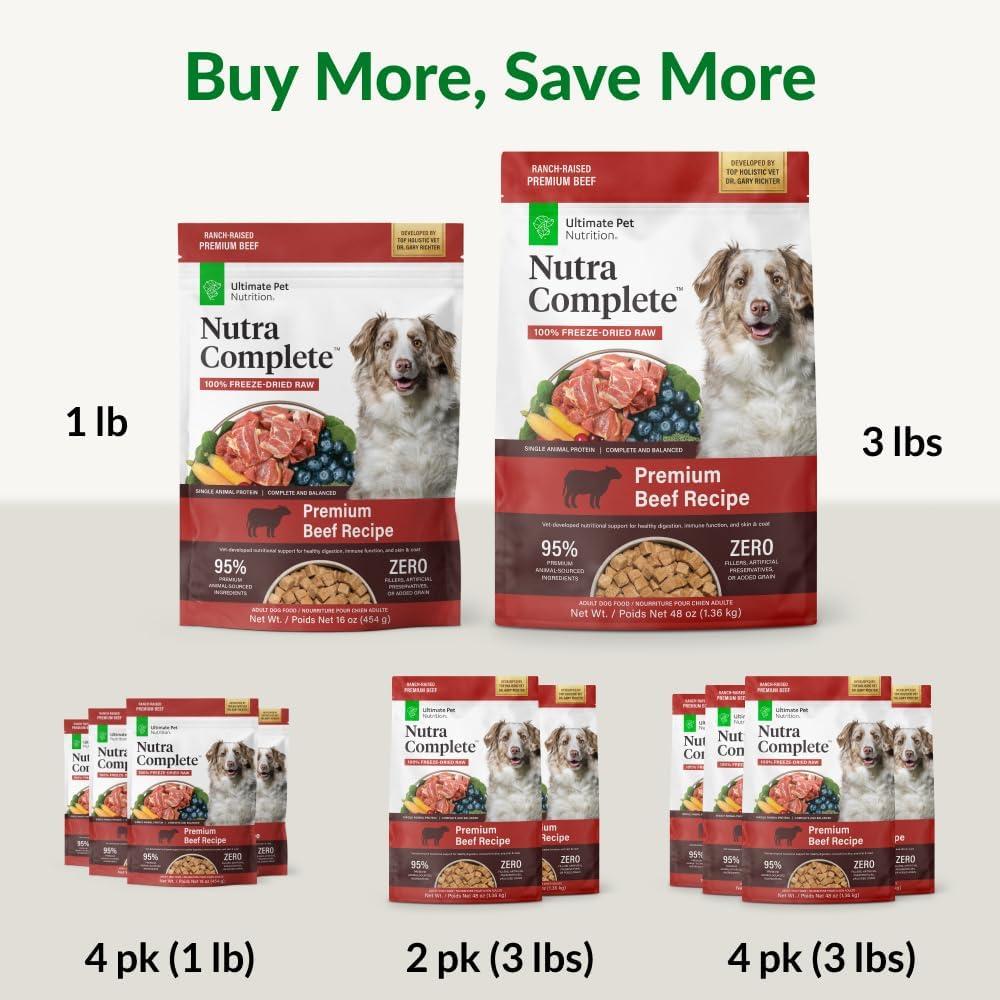
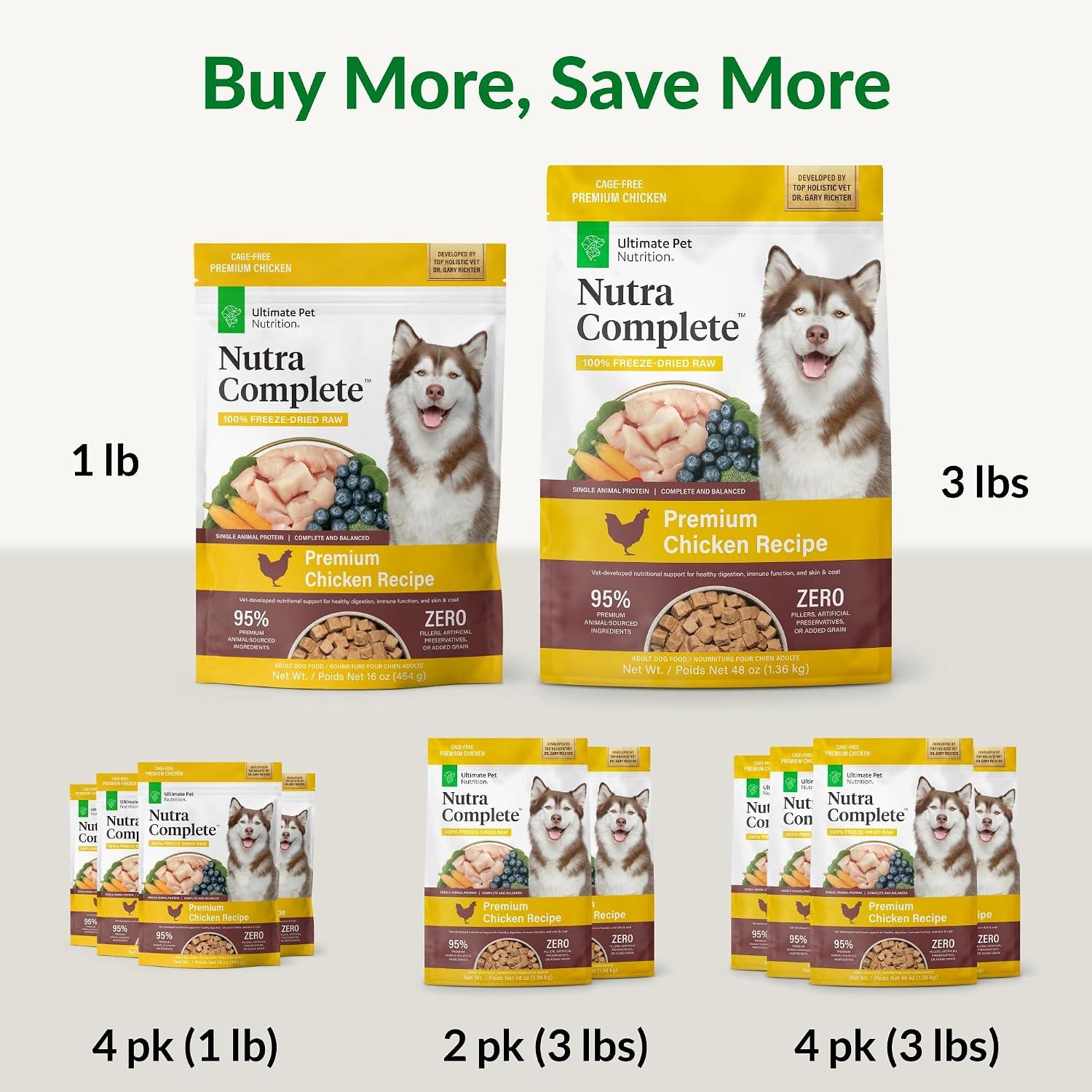
Our top Product Recommendations

Special Considerations for Senior Dog Diets
Some older dogs have unique dietary considerations depending on their breed, size, or specific health issues. For example, large breed senior dogs are more prone to joint disorders and may benefit from added joint supplements in their food. Smaller breeds might have higher energy needs relative to their size, requiring a more calorie-dense diet tailored for seniors.
dogs with kidney problems frequently enough need reduced protein content in their meals, while those suffering from allergies or food sensitivities may require limited ingredient diets free from common allergens such as wheat, corn, or soy. It’s vital to work closely with a veterinarian to tailor your dog’s diet according to their medical conditions for the best possible outcomes.
Additionally, some senior dogs benefit from foods fortified with probiotics which help maintain a healthy gut flora, boosting overall digestive and immune health. Ensuring your senior dog’s food meets these special nutritional needs will keep them feeling their best as they age.
Frequently Asked Questions
What age is considered “senior” for dogs?
Most dogs are considered senior around the age of 7, although this can vary depending on breed and size. Larger dogs frequently enough age faster and may become seniors by 6 years old, while smaller breeds might not be considered senior until 8 or 9 years.
Can older dogs eat regular adult dog food?
While they can, it’s generally better to switch to a senior-formulated diet. Senior dog foods are designed to meet the changing nutritional needs of aging dogs, supporting joint health, maintaining weight, and improving digestion, which regular adult dog food may not adequately provide.
How do I transition my dog to senior food?
Transition gradually over 7-10 days by mixing increasing amounts of the new senior food with their old food. this slow change helps prevent digestive upset and allows your dog’s system to adjust to the new diet seamlessly.
Conclusion
Feeding your older dog the best possible nutrition is one of the most impactful ways to support their health and longevity. Choosing high-quality dog food designed specifically for senior dogs ensures they receive the right balance of nutrients tailored to their changing needs.
By paying attention to ingredients like quality proteins, antioxidants, joint-supporting supplements, and fiber, and combining proper feeding habits with regular veterinary check-ups, you help your older dog maintain vitality and enjoy a happy, comfortable life throughout their senior years.