introduction
Managing diabetes in dogs requires a thoughtful approach that combines veterinary care, lifestyle adjustments, and most importantly, proper nutrition. As a dog owner, selecting the best dog food for diabetic dogs is essential for controlling blood sugar levels and improving your furry friend’s overall health. Unlike regular dog food, diabetic dog food is specially formulated to stabilize glucose levels and support the metabolic needs of diabetic pets.
Choosing the right diet can seem overwhelming, considering the many options available on the market, but understanding the nutritional needs of diabetic dogs will help you make informed decisions. This blog post is a complete guide to the best dog food that can aid in blood sugar management and promote a healthy, happy life for your diabetic dog.
Why Specialized Dog Food is Crucial for Diabetic Dogs
Diabetic dogs require diets that help maintain steady blood sugar through controlled carbohydrate intake and sufficient fiber. Unlike healthy dogs, those with diabetes cannot efficiently regulate their blood glucose, which means foods high in simple sugars or starches can cause dangerous spikes. Specialist diabetic dog foods are formulated with low glycemic index carbohydrates to provide slow release of glucose, helping maintain energy levels without sudden sugar crashes.
Additionally, thes dog foods often feature higher protein content and moderate fat levels to support muscle maintenance and energy balance. Fiber is critical too, as it aids in slowing digestion and absorption processes.Moreover, balanced micronutrients ensure overall organ health, particularly liver and kidney functions, which can be vulnerable in diabetic dogs.
Key Nutritional Components to Look For in Diabetic Dog food
When selecting the best dog food for diabetic dogs, several key nutrients should be prioritized to support effective blood sugar management:
- Low Glycemic Carbohydrates: Ingredients such as barley, brown rice, and sweet potatoes are ideal as they cause slower glucose release into the bloodstream.
- High-Quality Protein: Lean protein sources like chicken, turkey, and fish help maintain muscle mass and improve overall metabolism.
- Soluble Fiber: Fiber such as beet pulp or psyllium husk slows carbohydrate absorption and supports digestive health.
- Omega-3 Fatty Acids: Found in fish oils, omega-3s reduce inflammation and support cardiovascular health, crucial for diabetic dogs.
- Limited Fat: Moderate fat content helps with energy needs without exacerbating weight gain, which can worsen insulin resistance.
Always avoid dog foods loaded with sugars, corn, wheat, or fillers as they can disrupt glucose levels.Consulting your vet for personalized dietary recommendations is also highly advisable.
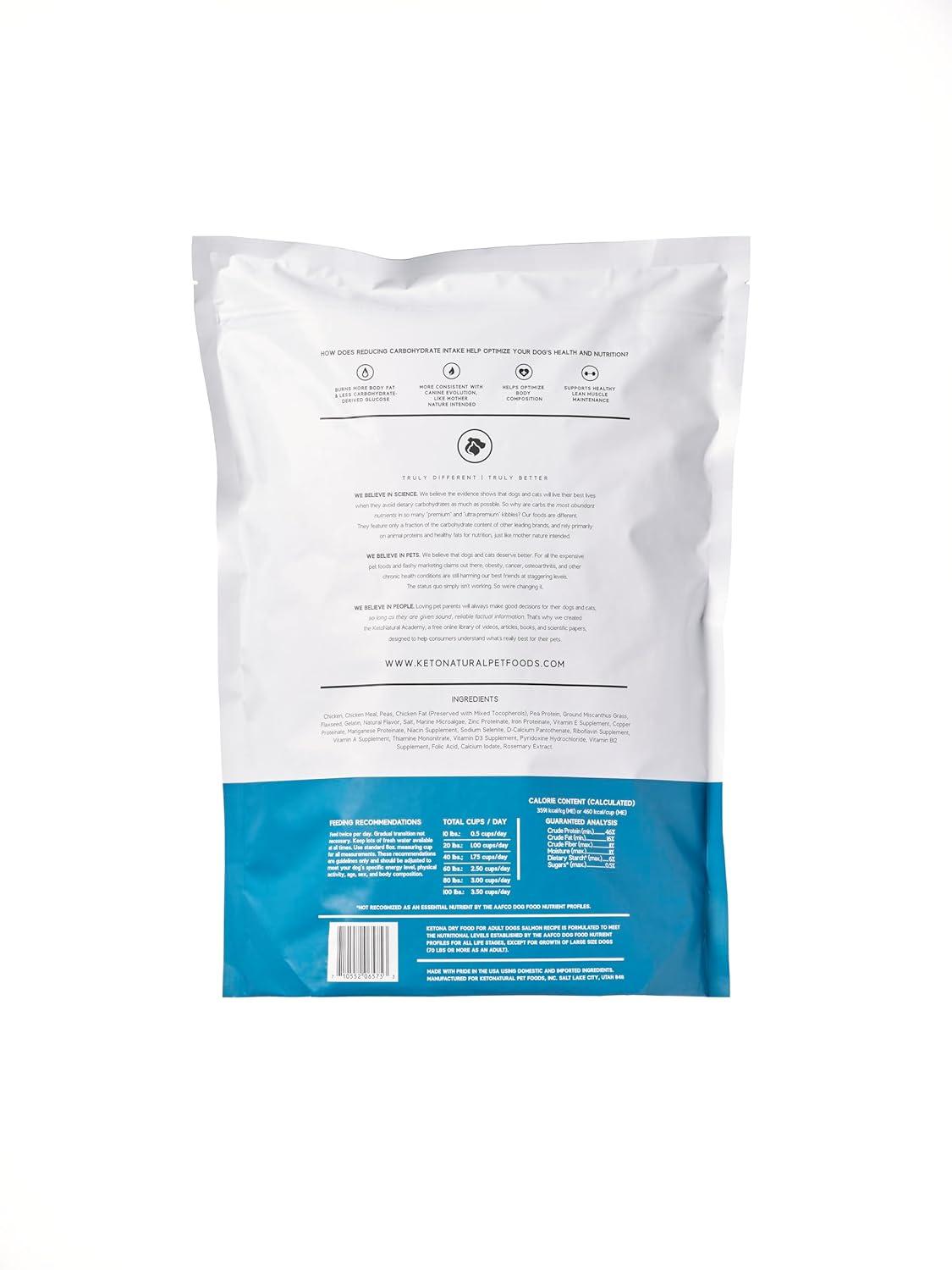
Our Top Product Recommendations

Tips for Transitioning Your Dog to Diabetic Dog Food
Switching a diabetic dog to a new food must be done gradually to avoid digestive upset and to allow their system to adapt.Start by mixing a small amount of the new diabetic dog food with their current food, gradually increasing the portion over 7-10 days.This slow transition helps maintain nutrient absorption without causing stomach issues.
during this period, closely monitor your dog’s blood sugar levels and overall behavior. Any sudden changes in appetite or energy might signal intolerance or the need for a different formula. It’s crucial to keep your veterinarian informed about dietary changes so they can adjust insulin levels if necessary.
Regular feeding schedules with consistent portion sizes also play an important role in blood sugar stability. Avoid frequent treats or table scraps which can disrupt glucose control. Devoting attention to diet routines can significantly improve quality of life and diabetes management.
Frequently Asked Questions
Can diabetic dogs eat regular dog food?
While it’s possible for diabetic dogs to consume regular dog food, it’s generally not recommended. Regular dog food often contains higher carbohydrates and sugars that can cause blood sugar spikes and worsen diabetes symptoms. Specialized diabetic dog food is formulated to provide balanced nutrition that controls blood glucose and supports overall health.
How much fiber should diabetic dog food contain?
Diabetic dog food should have a moderate to high amount of dietary fiber, usually between 5-10%.Fiber slows digestion and glucose absorption, helping to prevent blood sugar spikes. soluble fibers like beet pulp are especially beneficial for diabetic dogs.
Are homemade diets good for diabetic dogs?
Homemade diets can be beneficial if properly balanced and supervised by a veterinarian or veterinary nutritionist. However, they require careful planning to ensure the correct nutrients and carbohydrates are included. Commercial diabetic dog foods are convenient and specially formulated but homemade meals can be a good alternative when done correctly.
Conclusion
Finding the best dog food for diabetic dogs is a vital step to manage blood sugar effectively and enhance your pet’s quality of life. Prioritizing low glycemic carbs, high-quality proteins, fiber, and the right fat balance can definitely help control symptoms and prevent complications. Always work closely with your veterinarian to tailor a diet plan that meets your dog’s unique needs.
With thoughtful feeding choices, you can help your diabetic dog maintain steady glucose levels and enjoy a happier, healthier life. Explore the recommended products and tips to get started on improving your dog’s nutrition and well-being today.