
Introduction
Managing diabetes in dogs can be challenging for every pet owner. just like humans, diabetic dogs require a carefully balanced diet to maintain healthy blood sugar levels and prevent complications. Choosing the best dog food for diabetic dogs is a crucial step towards stabilizing thier condition and improving their overall quality of life.
In this blog post, we will explore the essential dietary needs for diabetic dogs, highlight key ingredients to look for in their food, and provide expert recommendations to help you make informed decisions. Whether you’re newly dealing with yoru dog’s diagnosis or looking to optimize an existing diet plan, this guide is designed to support you and your furry friend.
Why Selecting the Right Dog Food Matters for Diabetic dogs
diabetes in dogs affects how their bodies process and regulate sugars, making blood glucose control a top priority. Diet directly impacts how well a diabetic dog’s blood sugar stays within a healthy range. A specialized dog food can definitely help manage these levels by controlling carbohydrate absorption, promoting steady energy release, and maintaining a healthy weight.
Unlike regular dog foods that might contain high levels of simple carbohydrates or sugars, the best dog foods for diabetic dogs focus on low glycemic index ingredients. These foods typically offer complex carbohydrates, moderate protein, and limited fat to reduce insulin spikes and complications. Carefully balancing these macronutrients helps reduce the risk of blood sugar fluctuations and supports longer-term health.
Key Ingredients to Look for in Diabetic Dog Food
When selecting a dog food for diabetes management, certain ingredients and nutrient profiles are especially valuable. Complex carbohydrates such as sweet potatoes, barley, or brown rice provide enduring energy without causing rapid blood sugar increases. Fiber from sources like beet pulp and psyllium husk helps slow digestion and carbohydrate absorption,stabilizing glucose levels.
Protein should come from high-quality animal sources like chicken, turkey, or fish, aiding in muscle maintenance without adding needless calories. Healthy fats such as omega-3 fatty acids support inflammation reduction and overall well-being. Additionally, look for foods enriched with antioxidants and vitamins to boost your diabetic dog’s immune system and recovery.
It’s equally important to avoid high sugar or excessive fat contents, which can exacerbate blood sugar irregularities or worsen weight problems. Consulting your veterinarian to tailor food choices based on your dog’s specific condition and lifestyle is always recommended before making dietary changes.
Our Top Product Recommendations

Feeding Tips for Managing Your Diabetic Dog’s Health
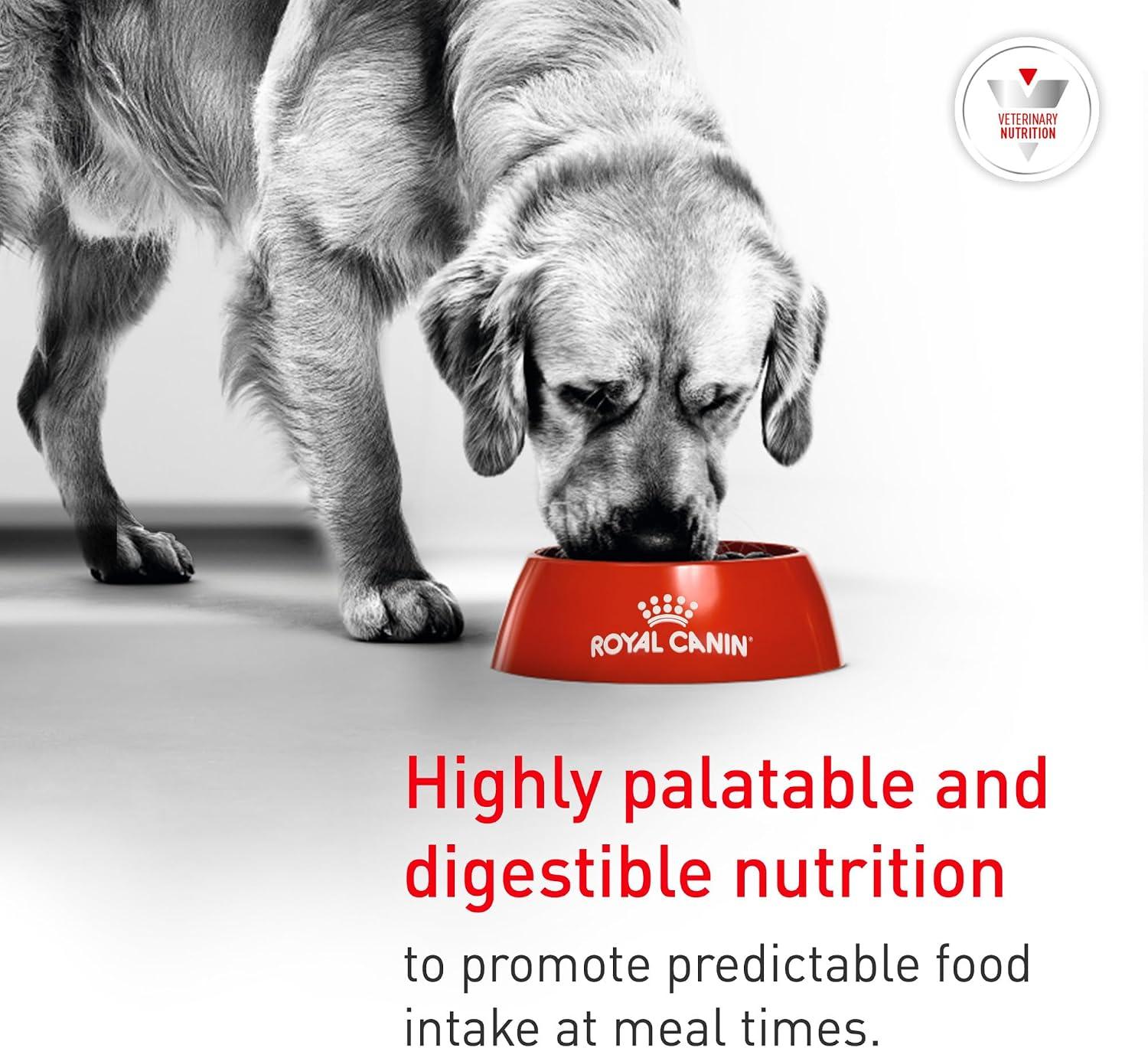
Alongside choosing the right food, feeding routines can considerably influence blood sugar management. Giving meals at consistent times each day helps regulate glucose levels and prevents drastic fluctuations. It’s recommended to divide your dog’s daily food intake into multiple smaller meals instead of one large portion.
Hydration is equally important since diabetic dogs are prone to dehydration. always ensure fresh water is readily accessible. Avoiding high-sugar treats and snacks supports dietary consistency. Instead, opt for vet-approved low-calorie treats designed for diabetic pets to reward good behavior without impacting blood sugar.
regular monitoring of your dog’s weight and blood sugar levels, coupled with timely veterinary consultations, will provide valuable feedback on how well the diet and feeding plan are working. Adjustments should be made under professional guidance to keep your dog healthy and comfortable.
Frequently Asked Questions
Can diabetic dogs eat regular dog food?
While diabetic dogs can technically eat regular dog food, it is indeed generally not recommended. Regular dog foods may contain higher amounts of simple carbohydrates and sugars, which can cause blood sugar spikes and complicate diabetes management. A specialized diabetic dog food formulated to stabilize glucose levels is preferred.
How frequently enough should I feed my diabetic dog?
Feeding diabetic dogs small, consistent meals 2 to 3 times a day is ideal. This approach helps maintain steady blood sugar levels and prevents sudden jumps. The feeding schedule should align with insulin governance if your dog is on insulin treatment, and you should always follow your veterinarian’s advice regarding meal timing.
Are ther any homemade dog food options suitable for diabetic dogs?
Yes,homemade meals for diabetic dogs can be an option provided they are nutritionally balanced and low in simple carbohydrates. It’s essential to work closely with a veterinary nutritionist to develop recipes tailored to your dog’s needs, ensuring proper protein, low glycemic carbs, fiber, and healthy fats are included.
Conclusion
choosing the best dog food for diabetic dogs is a vital step in managing blood sugar and enhancing your pet’s health. A diet rich in complex carbohydrates, high-quality protein, and fiber combined with a consistent feeding schedule empowers pet owners to control diabetes effectively at home.
Always prioritize foods formulated specifically for diabetic dogs and maintain regular veterinary checkups. With the right nutrition, care, and attention, your diabetic dog can enjoy a happy, active, and healthy life despite their condition.