Introduction
Winter months bring cold temperatures, snow, and icy sidewalks that can be tough on your furry friend’s paws. Just like humans bundle up to stay warm, dogs need proper protection to keep their paws safe, warm, and cozy. Without proper gear, your dog’s paws can suffer from frostbite, cuts from ice, or irritation from salt and chemicals used to melt snow.
That’s where dog boots come in! Best dog boots for winter provide an effective barrier against harsh elements, offering both paw protection and warmth. In this complete review, we’ll explore top-rated dog boots, discuss what to look for when choosing the right pair, and share tips to help your pup enjoy winter walks safely and comfortably.
Why Choosing the Best Dog Boots for Winter Matters
Cold weather poses serious risks to your dog’s paws, including cracking, dryness, and irritation from ice-melting chemicals. Choosing the right dog boots is essential to prevent such issues, ensure comfort, and avoid painful injuries. The best winter boots for dogs offer waterproof materials, good traction on slippery surfaces, and insulation to keep paws warm during frosty strolls.
Furthermore, boots act like a shield between your dog’s paws and the rough winter terrain, preventing the accumulation of ice balls in their fur and nails. This proactive protection is especially important for older dogs or those with sensitive paws. With the right boots, your dog can maintain active outdoor routines no matter the weather.
Key Features to Look for in Winter Dog Boots
When selecting dog boots for winter, certain features make a big difference in performance and comfort. First, waterproofing is crucial to keep moisture and snow from soaking through to your dog’s paws. look for boots made from durable, water-resistant materials with sealed seams.
Second, good traction on the soles prevents slipping on ice and snow. Materials like rubber with textured treads work well. Adjustable straps or closures ensure a snug yet comfortable fit, preventing boots from slipping off during walks. Also consider insulation or fleece lining inside the boots to provide extra warmth in freezing temperatures.
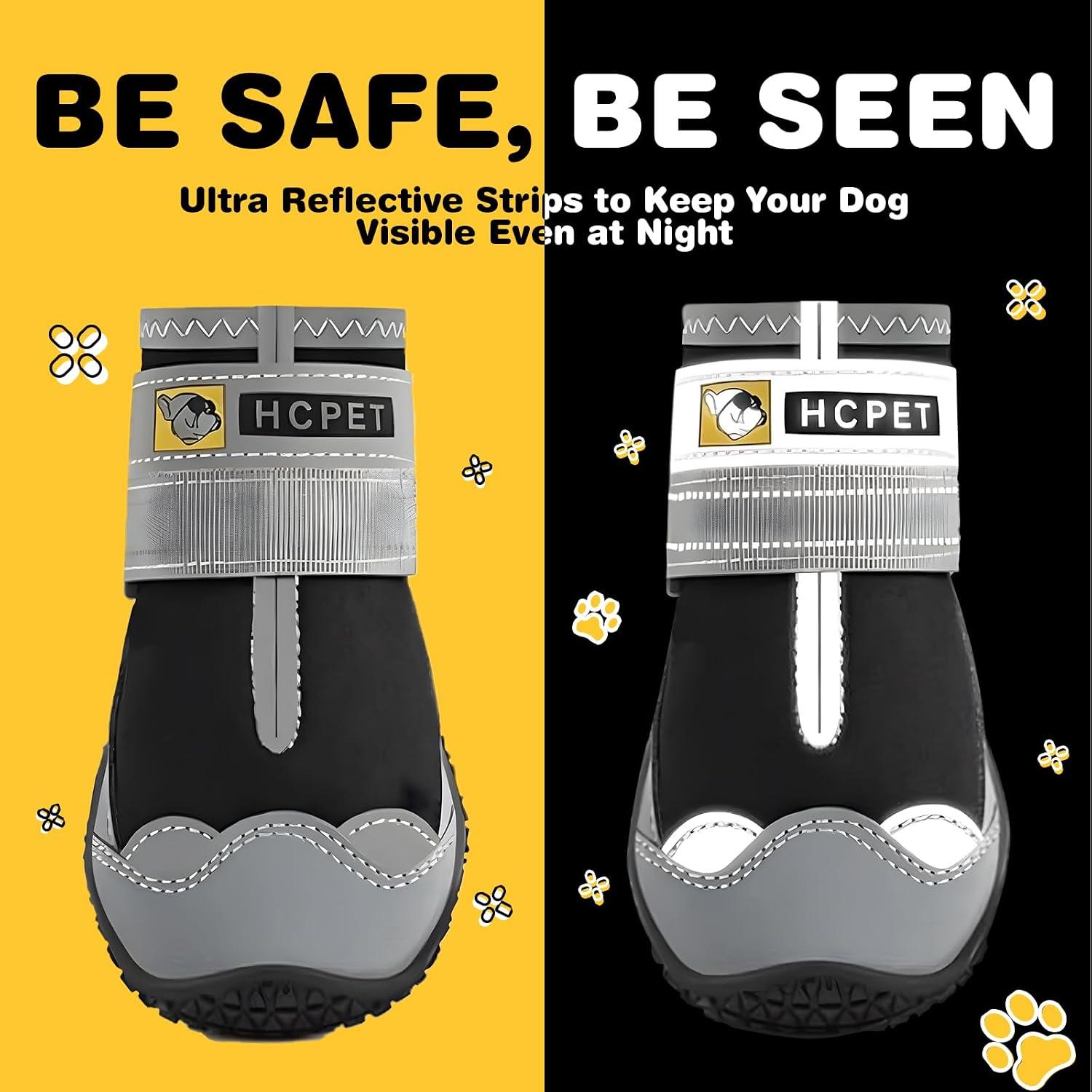
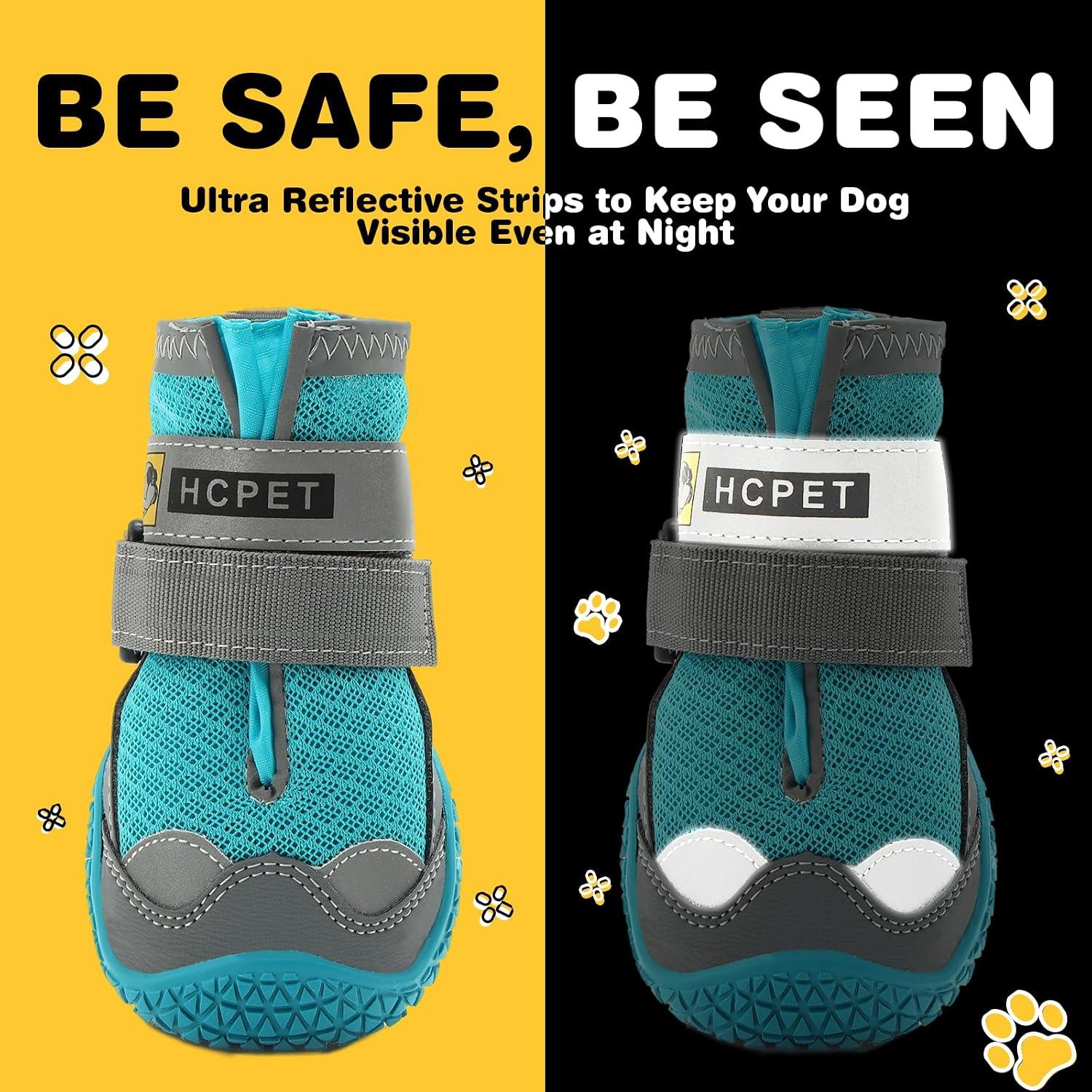
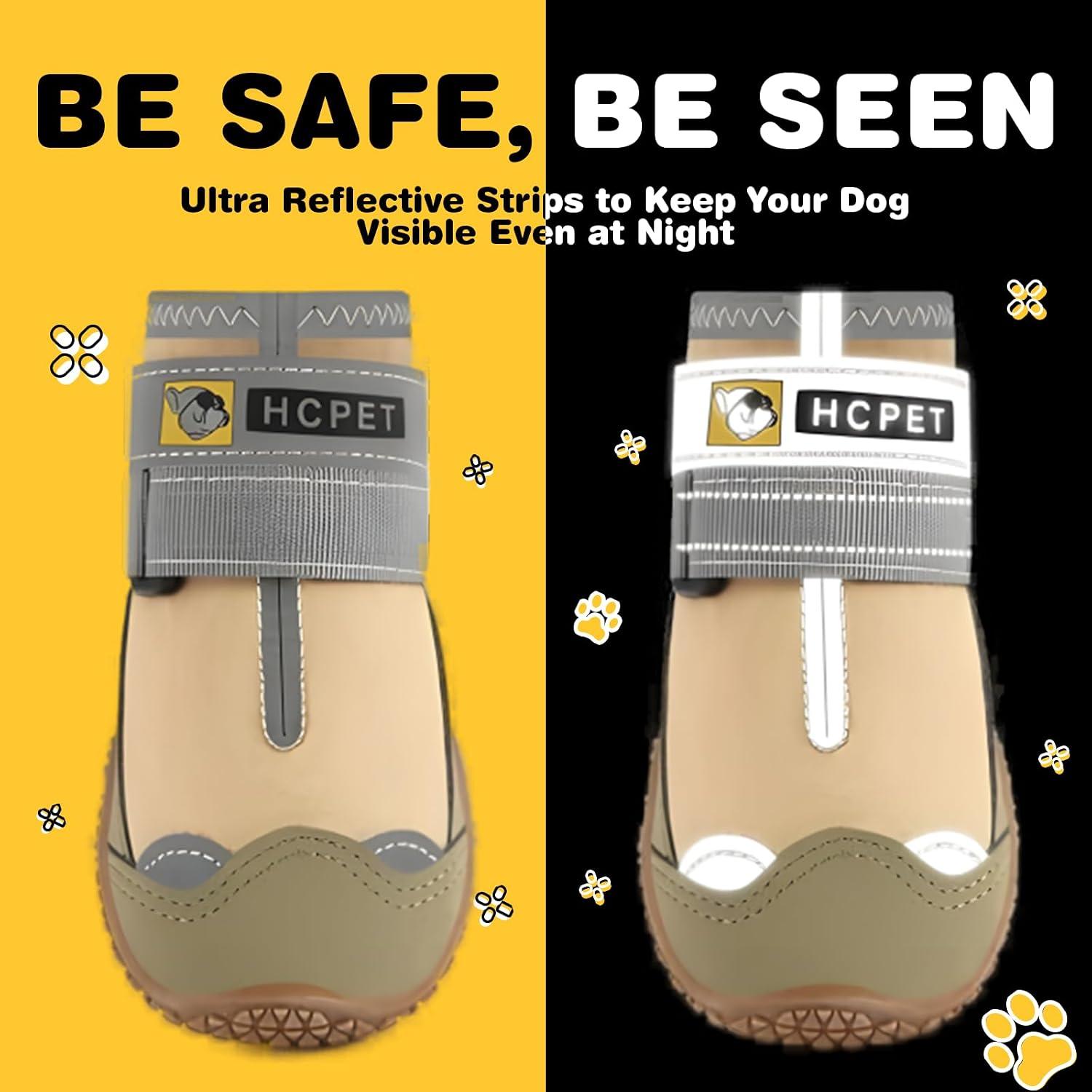
reflective elements can improve visibility during early morning or evening walks, helping keep your dog safer in low-light conditions.when combined, these features create an ideal pair of boots that protect, warm, and support your dog during winter adventures.
our Top Product Recommendations
Tips for Getting Your Dog Comfortable with Boots
Introducing your dog to boots can sometimes be a challenge, as many dogs initially resist wearing anything on their paws. Start by letting your dog sniff and explore the boots while rewarding them with treats to create a positive association. Gradually practice putting the boots on for short periods indoors before heading outside.
Be patient and encouraging – some dogs need time to adjust to the feel of boots around their paws. During walks, monitor their behavior and check for any signs of discomfort. Proper fit is crucial, so measure your dog’s paws according to the manufacturer’s guidelines to ensure the boots are neither too tight nor too loose.
clean and dry the boots after each use to maintain their condition and prevent irritation to your dog’s paws. With consistent training and comfort-focused products, your dog will soon appreciate the benefits of winter booties.
Frequently Asked Questions
Are dog boots waterproof and durable enough for winter?
most high-quality winter dog boots are made with waterproof and durable materials designed to withstand snow, ice, and salt. Look for boots with sealed seams and robust soles to ensure they protect against moisture and provide long-lasting wear.
How do I know which size dog boots to buy?
Measure your dog’s paws from the heel to the tip of the longest toe, preferably on the front paws. Compare these measurements to the sizing chart provided by the manufacturer. It’s best to have a snug but not tight fit to prevent slipping and discomfort.
Can wearing dog boots affect my dog’s walking or running?
Initially, some dogs may walk awkwardly while adjusting to boots, but most quickly adapt. Boots with flexible soles and lightweight designs help maintain your dog’s natural movement. With time and positive reinforcement, boots should not impede walking or running activities.
Conclusion
Choosing the best dog boots for winter is an essential step in protecting your pup’s paws from harsh weather conditions. Not only do they offer crucial warmth and protection,but they also ensure your dog can safely enjoy outdoor activities throughout the cold season. By considering waterproof materials, good traction, proper fit, and comfort features, you’ll find the perfect pair to keep your furry friend happy and healthy.
Remember, introducing boots gradually and providing plenty of encouragement will help your dog get used to them quickly. With the right boots and care, cold winter walks can become a fun and worry-free experience for both you and your canine companion.