Introduction
Grooming is essential for your dog’s health and well-being, but it can sometimes be a challenging experience-especially if your dog hates grooming. Many dogs feel anxious or resistant when it comes to baths, brushing, nail trimming, or ear cleaning, making the process stressful for both pet and owner. However,with patience and the right strategies,grooming can become a stress-free routine that your dog even starts to enjoy.
In this guide, we’ll explore practical tips on how to handle a dog that hates grooming, helping you build a peaceful grooming routine.From understanding your dog’s fear to creating positive associations and choosing the right tools, you can make grooming something your furry friend looks forward to rather than dreads.
Understanding Why Your Dog Hates Grooming
Before you can effectively address your dog’s grooming aversion, it’s crucial to understand the root causes of their fear or dislike. Many dogs develop negative associations with grooming due to past experiences like pain, discomfort, or rough handling. noise from clippers or unusual sensations can also be unsettling for dogs,especially those with heightened sensitivity.
Each dog’s personality and breed can influence how they react to grooming. Some breeds have coats that require more maintenance, which can be overwhelming if not managed properly.Additionally, dogs who are not accustomed to being handled on certain parts of their body may react defensively during grooming sessions. by recognizing these triggers, you can tailor your approach to meet your dog’s specific needs.
Creating a Positive Grooming Experience
Making grooming a positive experience requires patience, consistency, and reward-based training. Start by introducing grooming tools gradually.let your dog sniff and inspect brushes, clippers, or towels, rewarding their curiosity with treats and praise. This helps build trust and reduces fear around unfamiliar objects.
Use slow, gentle movements when grooming and take breaks if your dog becomes restless or anxious. Short, frequent sessions are better than long, overwhelming ones.Incorporate lots of rewards like favorite treats, soothing talk, and petting to reinforce calm behavior. Over time, your dog will begin to associate grooming with positive outcomes rather than stress.
Our Top Product Recommendations
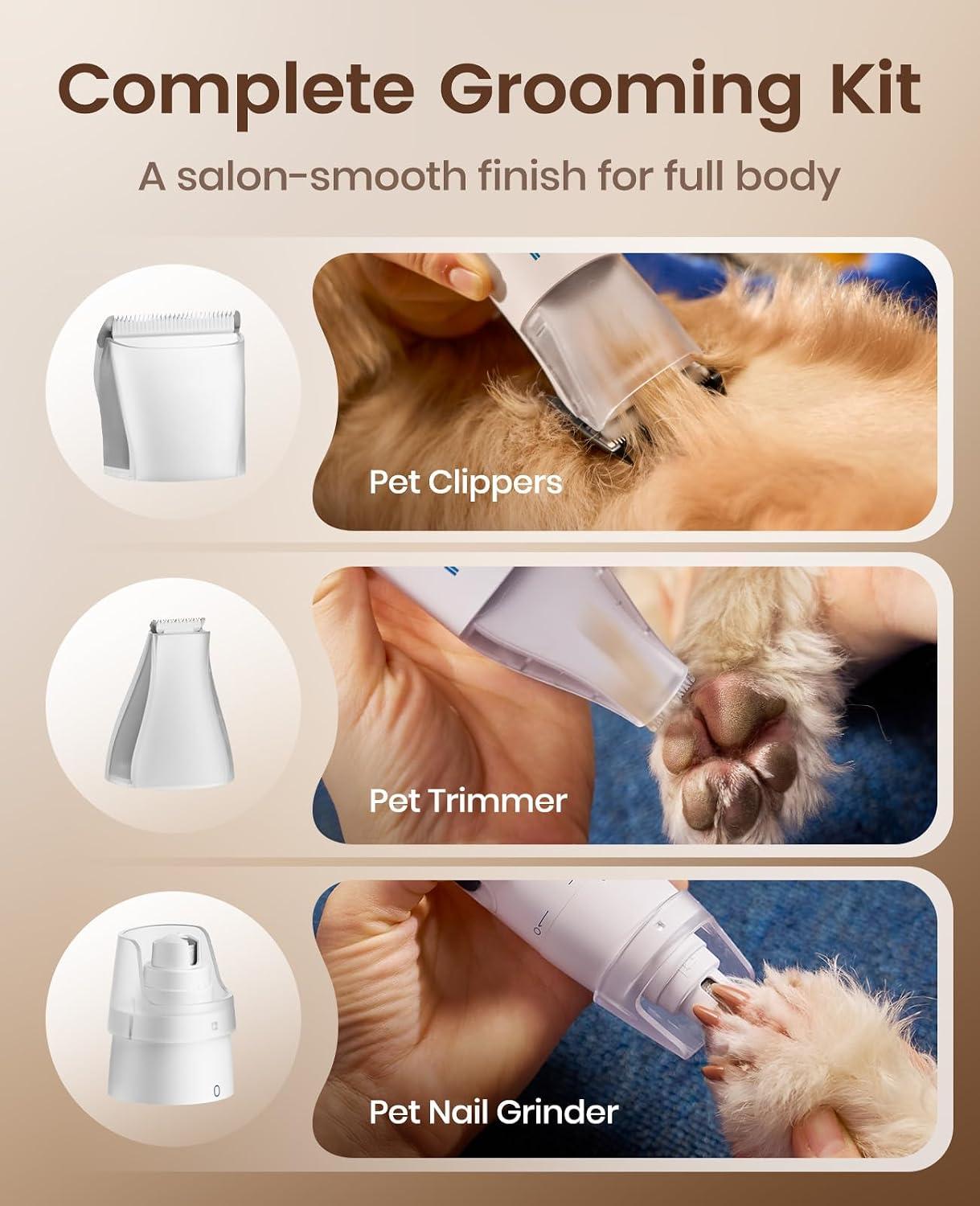
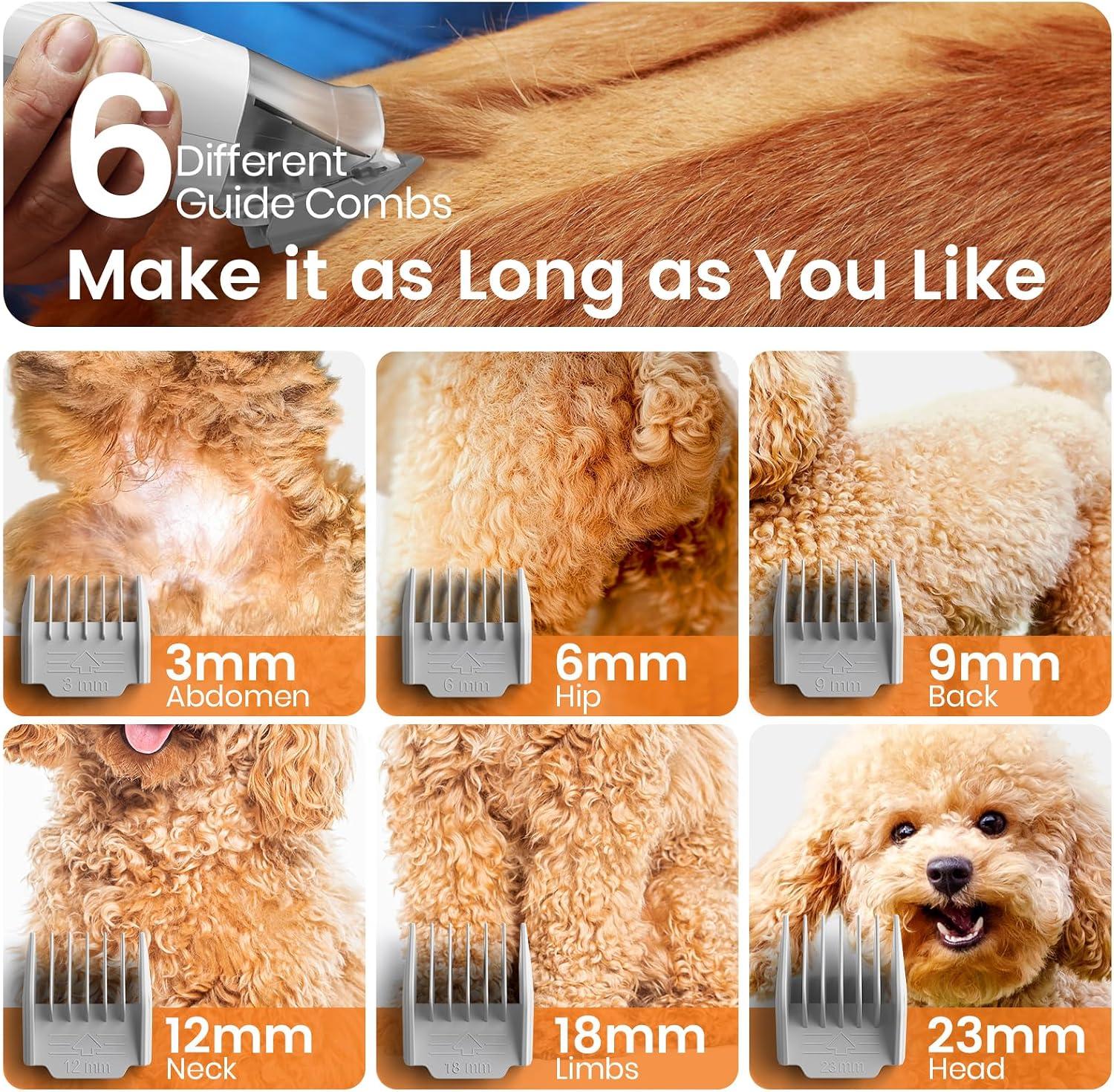
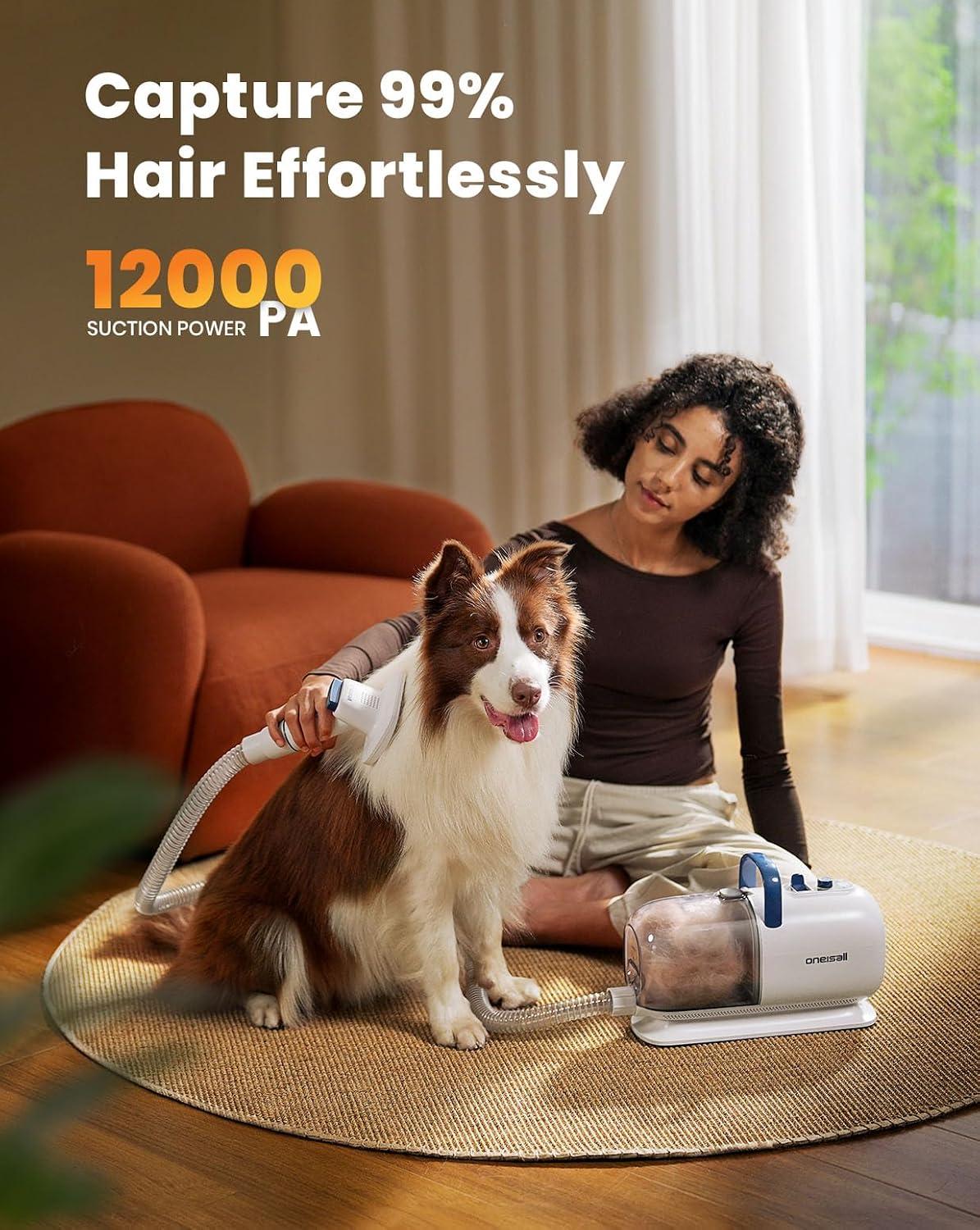
Choosing the right Tools and Habitat
Using the right grooming tools can make a meaningful difference for dogs that dislike grooming. Opt for tools designed to be gentle and quiet, such as quiet clippers and soft-bristle brushes. Grooming vacuum kits with built-in shampoos and dryers can help reduce anxiety by combining grooming steps into one calming experience.
Creating a calm and distraction-free grooming environment is equally important. Choose a space where your dog feels comfortable and secure, such as a quiet bathroom or a corner of a familiar room. Dim lighting,soft music,and using non-slip mats can help your dog relax. Additionally,keeping the temperature comfortable and having everything ready before you start can reduce stress and make the session flow smoothly.
Remember that consistency is key.Regular grooming sessions help your dog get used to the routine and reduce fear responses over time. establishing a predictable schedule also helps your pet know what to expect and feel more comfortable.
Frequently Asked Questions
Why does my dog hate grooming so much?
Dogs may dislike grooming due to fear, past negative experiences, sensory sensitivities, or discomfort during grooming tasks. noise from clippers, unfamiliar handling, or even certain textures can trigger anxiety. Understanding your dog’s specific triggers helps address their fear more effectively.
How can I make grooming less stressful for my dog?
Start grooming gradually and use positive reinforcement like treats and praise. Keep sessions short and calm, use gentle tools, and create a quiet grooming environment. Patience and consistency allow your dog to associate grooming with pleasant experiences over time.
Should I seek professional help if my dog is extremely fearful?
Yes, if your dog shows extreme anxiety or aggression during grooming, consulting a professional groomer or a veterinary behaviorist is recommended. They have experience with fearful dogs and can provide tailored advice or therapeutic approaches to ease your dog’s stress.
Conclusion
Handling a dog that hates grooming can be a delicate process, but with understanding, patience, and the right tools, it’s entirely possible to transform grooming into a calm and even enjoyable part of your pet care routine. By recognizing your dog’s fears, creating positive associations, and choosing the right environment and equipment, you can minimize stress for both of you.
Remember, every dog is unique, so progress may vary. Celebrate small wins, keep sessions positive, and don’t hesitate to seek professional advice if needed. With consistent effort, grooming can become a bonding moment that contributes to your dog’s overall health and happiness.