Introduction
Maintaining your dog‘s dental health is just as important as their overall well-being. Dental problems, such as plaque build-up, gum disease, and bad breath, can lead to serious health issues if left untreated. Fortunately,with some simple dental care tips at home,you can definitely help your furry friend maintain a healthy smile and avoid costly veterinary visits.
In this complete guide, we will explore essential dog dental care tips that every dog owner can easily implement at home. From daily brushing techniques to choosing the right dental treats, these tips will ensure your canine companion’s teeth stay clean, strong, and disease-free.
Why Regular Dental Care is Crucial for Dogs
Just like humans, dogs are susceptible to oral health problems as they age. Plaque and tartar build-up can cause tooth decay, gum inflammation, and even tooth loss. More importantly, untreated dental issues might lead to infections that affect vital organs such as the heart and kidneys. Therefore, establishing a dental care routine at home is vital to prevent these complications.
In addition to physical health, good dental hygiene contributes to better breath and improved quality of life for your dog. Healthy teeth enable better chewing and digestion, making your pet feel comfortable and happy. Daily attention to dental care is the first line of defense in promoting longevity and vitality for your dog.
Moreover, many pet owners underestimate the speed at which dental problems can progress in dogs. By the time bad breath or visible tartar becomes noticeable, your dog may already require professional cleaning or treatment. Early preventive care at home can make all the difference.
Effective At-Home Teeth Cleaning Techniques
One of the most effective dog dental care tips at home is regular tooth brushing. Choosing a toothbrush and toothpaste formulated specifically for dogs is essential since human products may contain ingredients harmful to pets. Soft-bristled brushes or even finger brushes designed for dogs allow gentle and thorough cleaning without hurting sensitive gums.
Begin brushing your dog’s teeth gradually to build comfort and trust. Allow your dog to sniff and taste the toothpaste first, then try brushing a few teeth at a time. Focus on the outside surfaces of the teeth and use small circular motions. Aim to brush at least 3-4 times per week, though daily brushing is ideal for optimal oral health.
Dental wipes and rinses formulated for dogs are useful supplementary tools for days when brushing isn’t possible. These products help reduce plaque and bacteria and freshen breath but should not replace regular brushing habits.
feeding Habits and Chewing for Dental Health
Diet plays a significant role in your dog’s dental well-being. Providing crunchy kibble rather of soft or wet food can definitely help mechanically clean the teeth during chewing. Some specially formulated dental diets are designed to reduce tartar formation and promote fresh breath.
Incorporating chew toys and dental treats into your dog’s routine is another practical tip. Chewing aids stimulate saliva production, which naturally cleans teeth and balances oral bacteria. However, ensure that chosen chews are appropriately sized, safe, and non-abrasive to avoid damaging teeth.
It’s important to avoid giving your dog sugary or sticky treats, as these can contribute to plaque accumulation. Always supervise your dog when chewing to prevent choking or swallowing hazards.
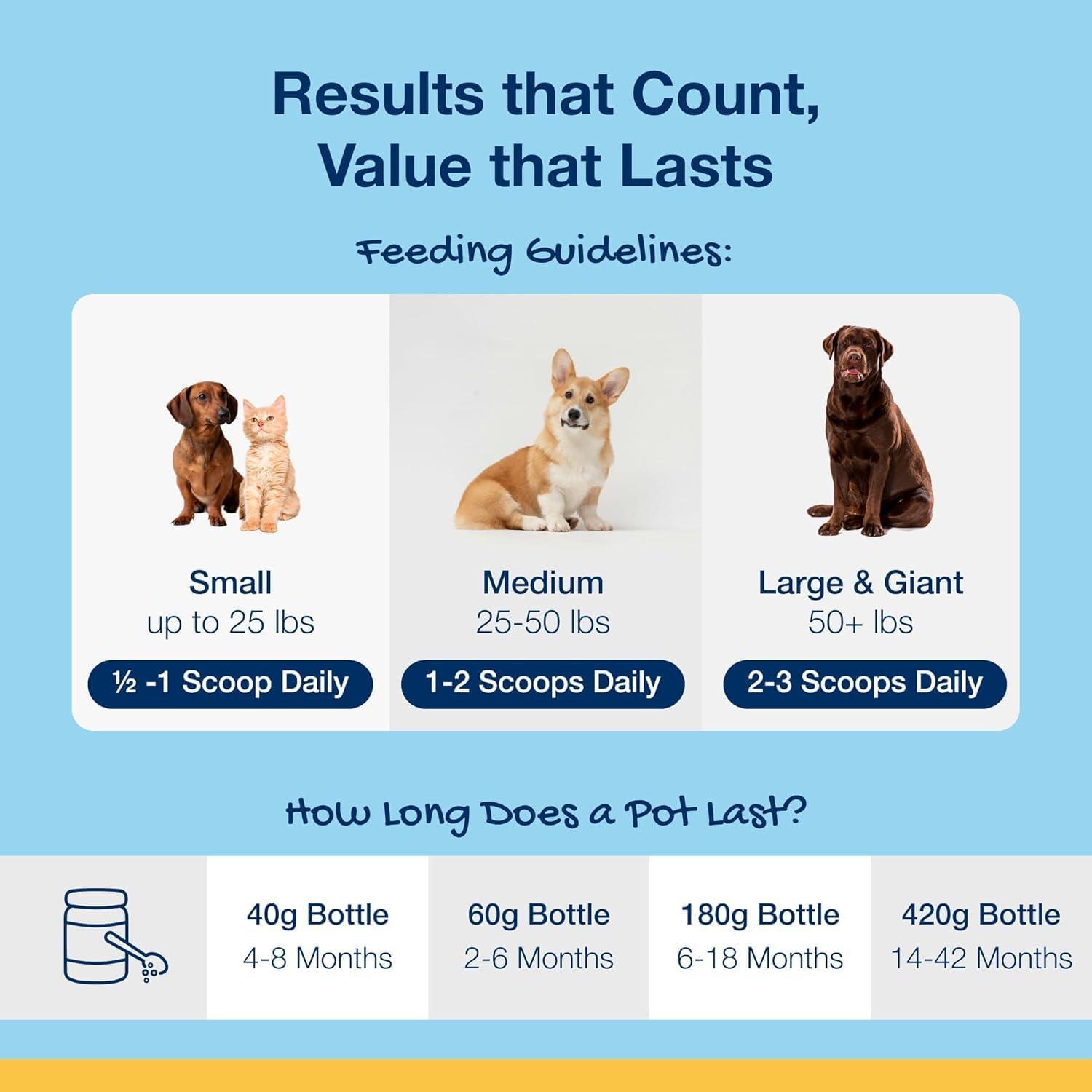
Our Top Product Recommendations
Signs of Dental Problems to Watch For
Even with the best efforts, it’s critically important to regularly check your dog’s teeth and gums for signs of dental issues. Common symptoms include persistent bad breath, red or swollen gums, excessive drooling, difficulty eating, and visible tartar or plaque buildup. If you notice any of these signs,it’s best to consult your veterinarian promptly for professional assessment and treatment.
Dental infections can be painful and lead to more serious complications if ignored. Early detection allows for easier management and prevents the need for extensive dental procedures later on. Routine dental exams during veterinary visits should complement your home care regimen for comprehensive oral health.
Remember that some dogs are more prone to dental problems due to breed,age,or genetic factors. Small breeds, such as, frequently enough experience quicker tartar accumulation. Tailoring your dental care approach to your dog’s specific needs is essential for lasting oral health.
frequently Asked Questions
How often should I brush my dog’s teeth?
Ideally, you should brush your dog’s teeth daily to maintain optimal oral health. If daily brushing isn’t possible,aim for at least 3-4 times per week. Consistency is key to preventing plaque buildup and gum disease.
Can I use human toothpaste to clean my dog’s teeth?
No, you should never use human toothpaste for dogs. Human toothpaste contains ingredients like fluoride and xylitol, which can be toxic to pets. Always use toothpaste specially formulated for dogs, which is safe to swallow and comes in pet-amiable flavors.
Are dental treats enough to keep my dog’s teeth clean?
Dental treats can be helpful as a supplement to regular brushing, but they should not replace it. While many treats are designed to reduce tartar and freshen breath, they work best as part of a comprehensive dental care routine that includes brushing and regular vet check-ups.
Conclusion
Ensuring your dog’s dental health is a crucial part of responsible pet ownership. By adopting these essential dog dental care tips at home, owners can greatly reduce the risk of dental diseases, improve their pet’s comfort, and extend their lifespan. Simple practices like regular brushing, appropriate diet, and timely observation of dental symptoms build a strong foundation for a healthy smile.
remember, prevention is always better than cure. Start early, stay consistent, and make dental care a positive part of your dog’s daily routine. Your furry friend will thank you with a happy tail and a shining, healthy smile!