Introduction
Training a stubborn dog can seem like a daunting task, especially when traditional methods don’t appear to work. Many dog owners feel frustrated when their furry companion shows resistance to commands or repeats unwanted behaviors despite repeated training attempts. However, understanding your dog‘s unique personality and learning effective techniques can transform this challenge into a rewarding experience for both of you.
In this guide,we will explore proven strategies tailored specifically for training stubborn dogs. With patience, consistency, and the right approach, you can nurture a positive relationship with your dog and enjoy lasting results that enhance both obedience and trust.
understanding the Root Cause of Stubbornness in Dogs
Before diving into training techniques, it’s essential to understand why some dogs are more stubborn than others. Often, stubbornness stems from underlying traits such as intelligence, independence, fear, or past experiences. For example, some breeds are naturally more self-reliant and curious, which can be misinterpreted as stubbornness.
Recognizing that your dog’s stubborn behavior may be a form of communication or self-protection is key to tailoring your training approach. Instead of viewing stubbornness as defiance, consider it as a challenge to solve by adapting your methods to better connect with your dog’s motivations and personality.
Patience and empathy go hand in hand with effectiveness when managing a dog that resists training. A calm and understanding handler can significantly influence a dog’s willingness to participate and learn.
Effective Techniques for Training a Stubborn Dog
One of the most effective approaches for training a stubborn dog is positive reinforcement. This technique rewards desired behaviors with treats,praise,or play,encouraging your dog to repeat those actions. By focusing on rewards rather than punishment, you create a learning environment that motivates your dog and builds confidence.
Another crucial technique is consistency. Stubborn dogs need clear and predictable signals from their owners. Establishing consistent rules and routines helps your dog know exactly what is expected, reducing confusion and resistance. Use the same commands and reward criteria every time you train.
Additionally,breaking training sessions into short,frequent intervals makes learning easier for stubborn dogs. Long sessions can overwhelm or bore them, causing attention to wane. Focus on simple commands first, gradually increasing difficulty as your dog gains success and enthusiasm.
Our Top Product Recommendations
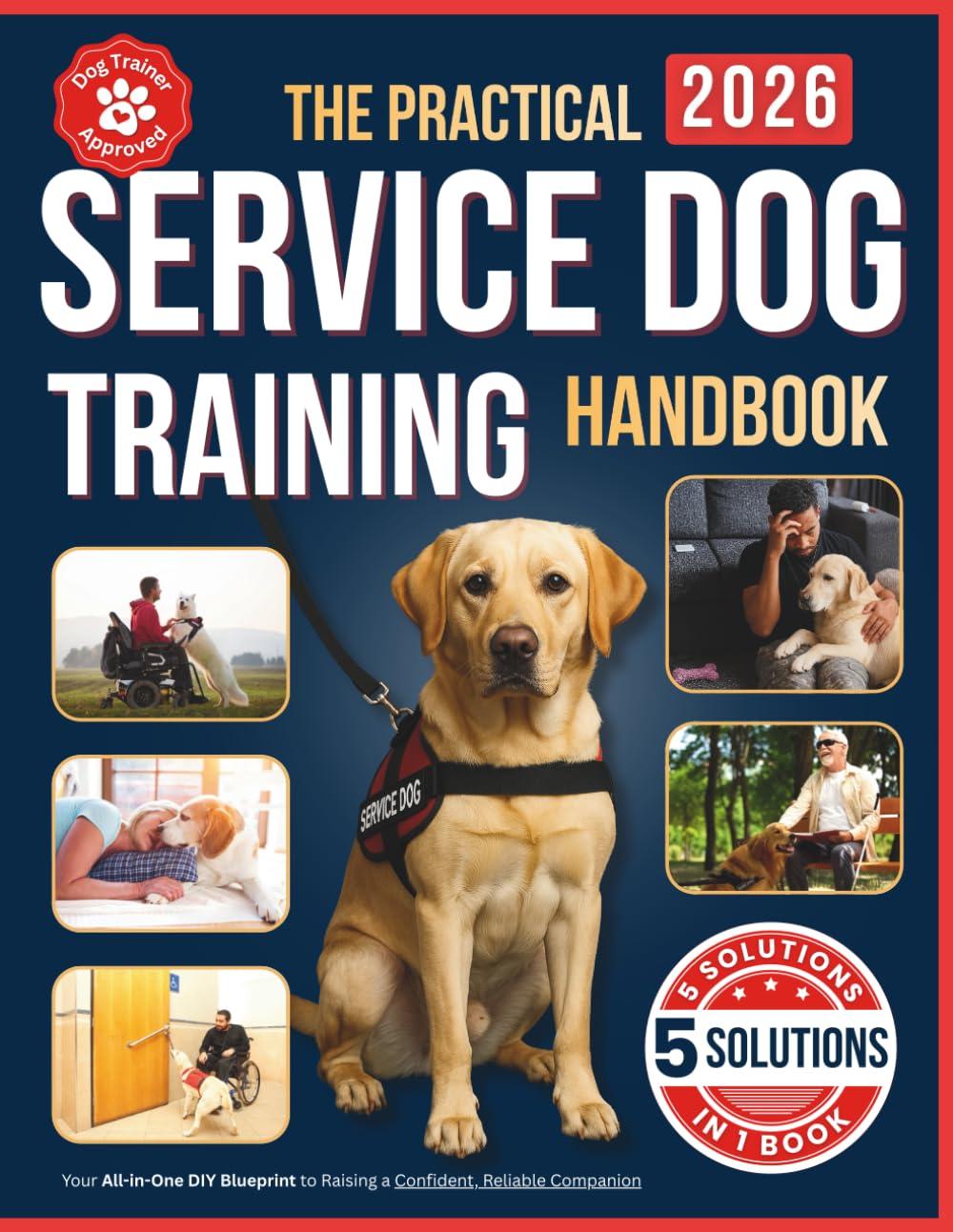


Building a Strong Bond: The Key to Overcoming Stubbornness
Creating a strong bond between you and your dog is crucial when training a stubborn dog. Trust and mutual respect form the foundation that encourages your dog to listen and respond. Spend quality time together through play, walks, and gentle handling to deepen this connection.
Understanding your dog’s body language and emotional state during training helps you adapt your approach and build confidence in your pet. Avoid using harsh tones or punishment, as these can damage your relationship and make your dog more resistant to learning.
Rewards don’t always have to be treats; some dogs respond well to playtime or affection. Identify what motivates your dog best, and use those rewards to encourage compliance and enthusiasm during training sessions. Over time, this approach fosters a willing and cooperative companion.
Frequently Asked questions
How long does it take to train a stubborn dog?
The time it takes varies depending on your dog’s personality, age, and previous training.With consistent, positive reinforcement and patience, many dog owners see noticeable improvements within a few weeks.however, ongoing reinforcement and practice are crucial to maintain lasting results.
Should I use punishment to train a stubborn dog?
Punishment is generally not recommended as it can lead to fear, anxiety, and increased stubborn behavior. Positive reinforcement techniques are more effective and promote a trusting relationship, which encourages your dog to want to learn and please you.
Can professional trainers help with stubborn dogs?
Yes,professional dog trainers can provide valuable guidance tailored to your dog’s specific behavior and challenges. They can teach you specialized techniques and offer support to make training easier. Look for trainers who use positive reinforcement and reward-based methods for the best results.
Conclusion
Training a stubborn dog requires dedication, patience, and the right strategies, but the effort is well worth it. By understanding your dog’s motivations, using positive reinforcement, and maintaining consistency, you can turn stubbornness into obedience and trust. Remember, a strong bond with your dog is the foundation for successful training and a happy, well-behaved companion.
With the right mindset and tools, any dog owner can overcome the challenges of training a stubborn dog and enjoy the lifelong rewards of a harmonious relationship with their furry friend.