Introduction
Caring for a pregnant dog at home is a rewarding experience, yet it requires special attention and knowledge too ensure the health and well-being of both the mother and her puppies. Pregnancy in dogs typically lasts about 63 days, and during this time, their needs change substantially.Providing the right environment, nutrition, and care can help prevent complications and pave the way for a smooth delivery.
Whether you’re a first-time dog owner or an experienced breeder, knowing how to properly care for a pregnant dog is essential. This guide will walk you through the essential tips and guidelines to help you support your canine during this critical period, offering practical advice and reassurance along the way.
Preparing the Ideal Environment for Your Pregnant Dog
One of the first steps in caring for a pregnant dog at home is creating a safe, cozy, and stress-free environment.As her pregnancy advances, your dog will need a quiet place to rest and adjust to her changing body. Choose an area in your home that is warm, free from loud noises, and away from heavy foot traffic. It is indeed critically important to avoid any unneeded stressors, as stress can negatively impact the health of both the mother and her unborn puppies.
Setting up a whelping box well before the delivery date can give your dog a designated space to give birth and care for her puppies. The box should be large enough for her to lie down comfortably but cozy enough to provide a sense of security. Line the box with soft, washable bedding and keep it in a temperature-controlled room to maintain warmth during those crucial first weeks postpartum.
Nutrition and Exercise During Pregnancy
Proper nutrition is crucial throughout your dog’s pregnancy to support her health and the growth of her puppies. During the first few weeks, your dog’s diet may not change dramatically, but as her pregnancy progresses, you should gradually increase her food intake. High-quality, nutrient-dense dog food formulated for pregnant or nursing dogs is highly recommended. These diets contain the necessary proteins, fats, vitamins, and minerals to support increased energy demands. Avoid sudden changes in her diet to prevent digestive upset.
In addition to diet, moderate exercise remains important to keep your pregnant dog healthy without overexerting her. Gentle walks and light play can help maintain muscle tone and reduce stress, but always monitor her energy levels and avoid strenuous activities. If you notice any signs of discomfort or fatigue, take breaks and allow her more rest.
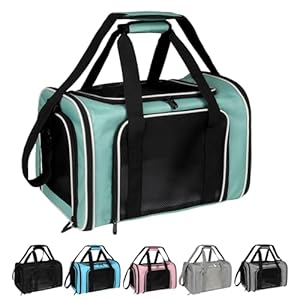
Our Top Product Recommendations
Monitoring Health and Recognizing Signs of labor
Close monitoring of your pregnant dog’s health is vital to catch any potential issues early. Regular vet check-ups are essential; your veterinarian can confirm the pregnancy with ultrasounds, monitor the puppies’ growth, and advise on vaccinations or supplements if needed.Keep an eye on your dog’s behavior and physical condition-any signs of excessive swelling,unusual discharge,or lethargy should prompt immediate veterinary attention.
As the due date approaches, familiarize yourself with the signs of impending labor. Common indicators include nesting behavior, decreased appetite, restlessness, and a drop in body temperature. Typically, a dog’s temperature drops below 100°F (37.8°C) within 24 hours before labor begins. Providing reassurance and a calm environment during this time can help ease her transition into motherhood.
Make sure you have emergency contacts and your vet’s number handy in case complications arise during delivery. Understanding when to intervene or seek professional help can make a significant difference in the outcome for both mother and puppies.
Frequently Asked Questions
What should I feed my pregnant dog?
Feed your pregnant dog high-quality, nutrient-rich dog food specifically formulated for pregnancy and lactation stages. gradually increase her food intake during the second and third trimesters to meet the higher energy needs. Always consult your veterinarian for personalized dietary advice.
How do I know if my dog is in labor?
Signs of labor include nesting behaviors, restlessness, shivering, panting, and a drop in body temperature below 100°F (37.8°C). She may also refuse food and exhibit contractions. Contact your vet if you notice prolonged labor or signs of distress.
Can I give my dog medication during pregnancy?
Medications should only be given under veterinary supervision during pregnancy. Some drugs can harm the developing puppies or cause complications. Always consult your vet before administering any medication or supplement.
Conclusion
Caring for a pregnant dog at home requires patience,attentiveness,and preparation. By providing a safe environment, proper nutrition, gentle exercise, and close health monitoring, you can help your dog experience a comfortable pregnancy and a successful delivery. Remember to maintain regular interaction with your veterinarian to address any concerns promptly. With the right care, you will give your furry friend and her puppies the best chance for a healthy and happy start.