introduction
as a loving dog owner, ensuring your furry friend’s health and happiness is always a top priority. One crucial aspect of your dog‘s well-being is their digestive health, which directly impacts their overall vitality and energy levels. A balanced digestive system supports nutrient absorption, immune function, and can help prevent common gastrointestinal issues like diarrhea, bloating, and upset stomachs.
Probiotics have become a popular and effective solution to promote healthy digestion in dogs. These beneficial bacteria help restore and maintain the natural balance of gut flora, supporting smoother digestion and better nutrient assimilation. In this blog post, we’ll explore the best probiotics for dogs’ digestive health, what to look for when choosing one, and share our top product recommendations to keep your pet happy and healthy.
Why Probiotics are Vital for Your Dog’s Digestive Health
Dogs’ digestive systems are complex and sensitive, influenced by diet, environment, stress, and health conditions. Probiotics are live microorganisms that, when administered in adequate amounts, confer health benefits to the host-in this case, your dog. They help replenish the good bacteria in the gut,which is essential for optimal digestion and nutrient absorption.
Many dogs suffer from digestive issues like diarrhea, constipation, or inflammatory bowel conditions, frequently enough linked to an imbalance of gut bacteria. This imbalance can be caused by stress, antibiotics, poor diet, or illness. Introducing high-quality probiotics can restore this balance, improve gut barrier function, and boost immunity. regular probiotic supplementation supports your dog’s ability to break down food efficiently and absorb essential nutrients, making them a vital part of maintaining digestive health.
Key Features to Look for in the Best Dog Probiotics
Choosing the right probiotic for your dog can seem overwhelming given the numerous options available. It’s crucial to focus on a few key features that ensure the supplement is effective and safe for your furry companion. Firstly, check for high CFU (Colony Forming Units) counts, indicating the potency and number of live beneficial bacteria present. Generally, probiotics with billions of CFUs are more effective.
Secondly, the probiotic strains included matter. look for well-researched strains like Lactobacillus acidophilus, Bifidobacterium, and Enterococcus faecium, as these are proven to promote digestive health in dogs. Lastly,consider the delivery form-powder,capsules,or treats-and pick one that your dog is highly likely to accept easily. Quality manufacturing, shelf-stability, and clear dosage instructions also play an important role in securing the best results for your dog’s gut health.
Our Top Product recommendations
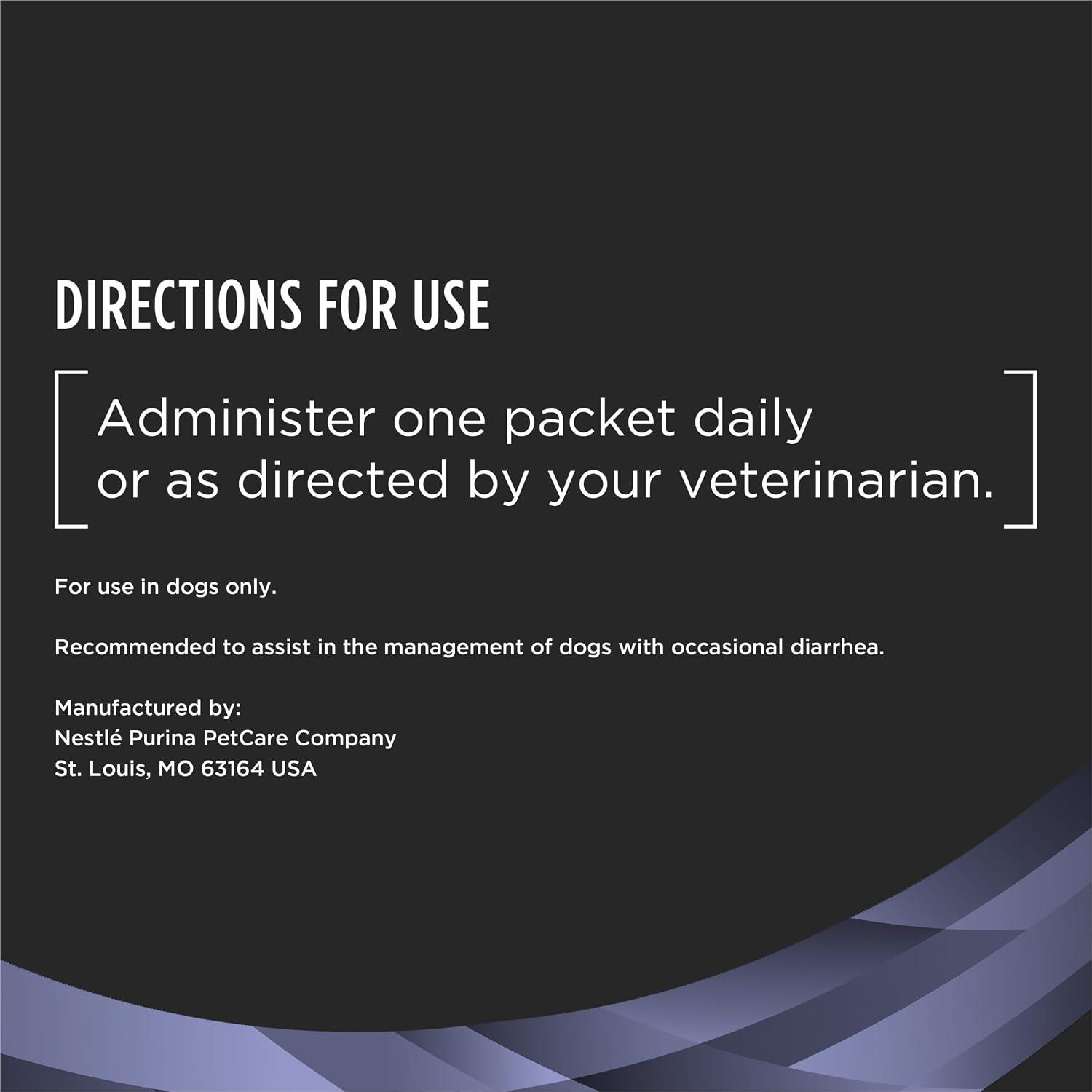

How to properly Administer Probiotics to Your Dog
Once you select the best probiotic for your dog, proper administration is key to maximizing its benefits. Most probiotics come with a recommended dosage based on your dog’s weight and size, so it’s critically important to follow these guidelines closely. Typically, probiotics are added to your dog’s food, making it easier to incorporate into daily feeding routines. Whether using powders, capsules, or treats, consistency is vital to keep the digestive system balanced and healthy over time.
It may take a few days to a couple of weeks before you notice visible improvements such as better stool quality, reduced gas, or less frequent digestive discomfort. Monitoring your dog during this period helps you understand how effective the probiotic is for them. If you notice adverse reactions or no changes, consult your veterinarian who may recommend adjustments or alternative products.
Also, consider pairing probiotics with a nutritious diet rich in fiber, prebiotics, and antioxidants to further support a healthy gut environment. Keeping your dog well-hydrated and minimizing sudden food changes will complement probiotic benefits. With patience and routine care, probiotics can help maintain your dog’s digestive health and overall happiness for years to come.
Frequently Asked Questions
Are probiotics safe for all dog breeds and ages?
Yes, probiotics are generally safe for dogs of all breeds and ages, including puppies and senior dogs.However, it’s best to consult your veterinarian before starting any new supplement, especially if your dog has an existing health condition or is on medication.
How long does it take for probiotics to improve my dog’s digestive health?
Most dogs show improvements within 1 to 2 weeks of consistent probiotic use. Some benefits may be noticeable sooner, such as better stool consistency and reduced digestive discomfort. If symptoms persist, contact your vet for advice.
Can I give human probiotics to my dog?
It’s not recommended to give human probiotics to dogs because the strains and formulations may not be suitable for canine digestive systems. Using dog-specific probiotics ensures the strains are safe and effective for your pet.
Conclusion
Maintaining your dog’s digestive health is essential for their vibrant and active lifestyle. Probiotics play a critical role in supporting gut balance, enhancing nutrient absorption, and boosting immune function. By choosing high-quality probiotics tailored for dogs and administering them consistently, you can help prevent digestive issues and promote long-term wellness for your beloved pet.
With the right knowledge and products, keeping your dog’s digestive system healthy becomes a straightforward and rewarding task. Always prioritize products with proven bacterial strains, proper CFU counts, and positive reviews from trusted sources. Your furry friend will thank you with a happier tummy and a brighter mood every day.