
Introduction
Skin allergies in dogs can be a frustrating and uncomfortable condition for both pet owners and their furry friends. These allergies often lead to itching, redness, hair loss, and inflammation, which not only affect yoru dog’s appearance but also their overall well-being. Fortunately, one of the most effective ways to combat skin allergies is through the right diet, specifically dog food formulated to support skin health and reduce allergic reactions.
Choosing the best dog food for skin allergies is essential to keep your pet healthy, comfortable, and happy. This blog post will guide you through everything you need to know – from the ingredients to look for, the role of limited ingredient diets, to the best product options available on the market.Let’s dive into how the right nutrition can promote your dog‘s skin health and relieve allergy symptoms.
Understanding Skin Allergies in Dogs and Their Dietary Needs
Skin allergies can be triggered by various factors including environmental irritants, parasites, or food allergies. Among these, food allergies are frequently enough overlooked but can be a significant contributor to your dog’s itchy skin. Common food allergens include beef, dairy, chicken, wheat, and soy. When a dog’s immune system reacts to these allergens,it results in itchy skin,rashes,and discomfort.
To manage and prevent these allergic reactions, it’s important to feed your dog with hypoallergenic or limited ingredient diets. These diets avoid common allergens and include ingredients that are easy to digest and promote healthier skin. Key elements often found in the best dog foods for skin allergies include omega-3 and omega-6 fatty acids, antioxidants, and novel protein sources like lamb, duck, or fish.
Identifying your dog’s specific food allergy can sometimes require a process called an elimination diet,but feeding your dog a high-quality,allergy-friendly dog food from the start can relieve symptoms and support skin recovery. Regular veterinary consultations are advised to monitor your pet’s condition alongside dietary changes.
Key ingredients That Soothe and Support Your Dog’s Skin
When selecting the best dog food for skin allergies, it’s crucial to focus on ingredients that nourish the skin and reduce inflammation. Fatty acids, especially omega-3 and omega-6, play a vital role in maintaining skin moisture and elasticity while reducing itching and scaling. These can typically be found in fish oils, flaxseed, and certain plant oils.
Additionally, foods rich in vitamins such as vitamin E, vitamin C, and zinc can definately help strengthen your dog’s immune system and promote better skin repair. Antioxidants help combat oxidative stress caused by allergens and environmental factors, supporting overall skin health.
Moreover, novel protein sources like duck, venison, or lamb are frequently enough included in allergy-specific formulas as they reduce the risk of triggering food sensitivities. Avoiding fillers and artificial additives is equally critically important, as these can aggravate sensitivities and worsen skin conditions.
Our Top Product Recommendations
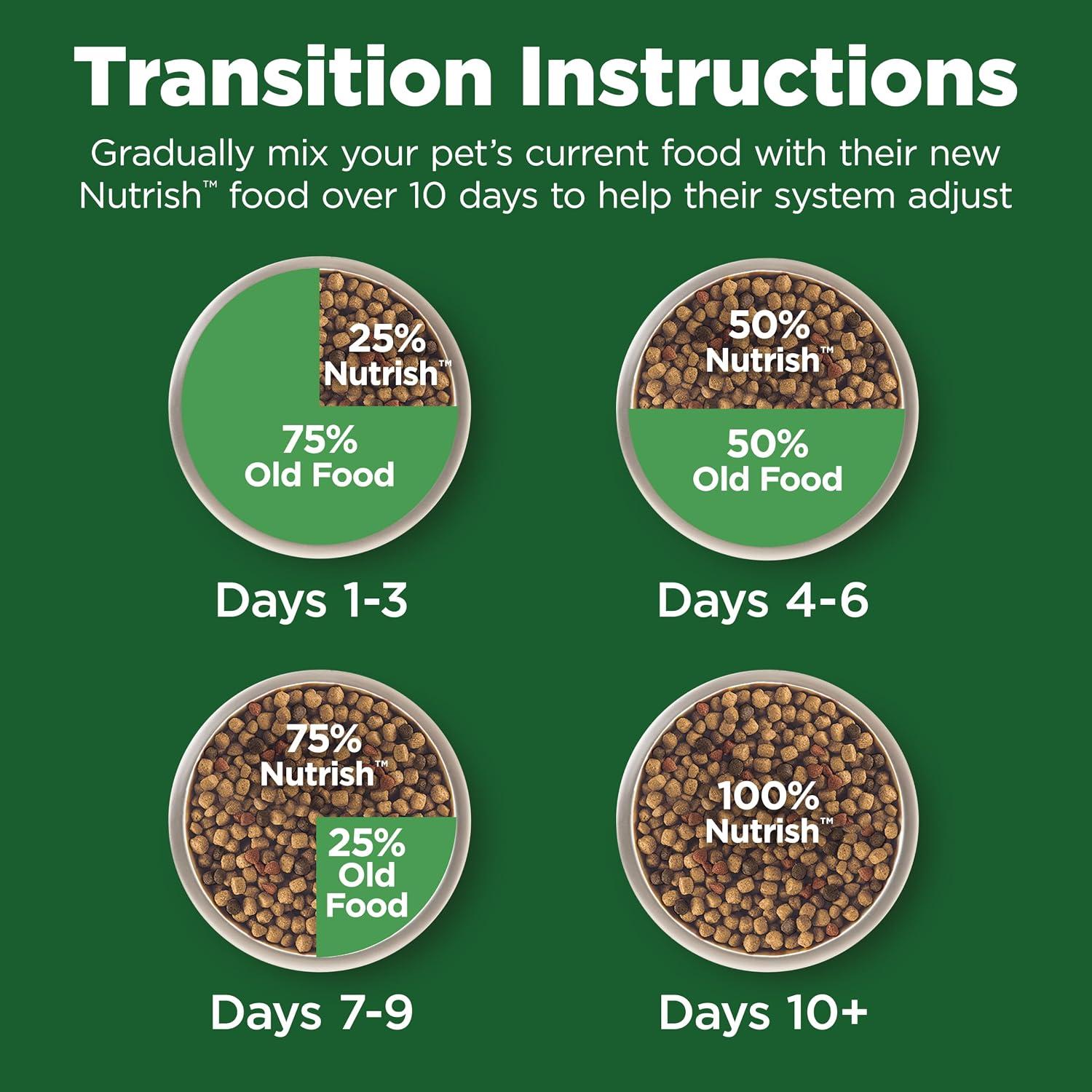
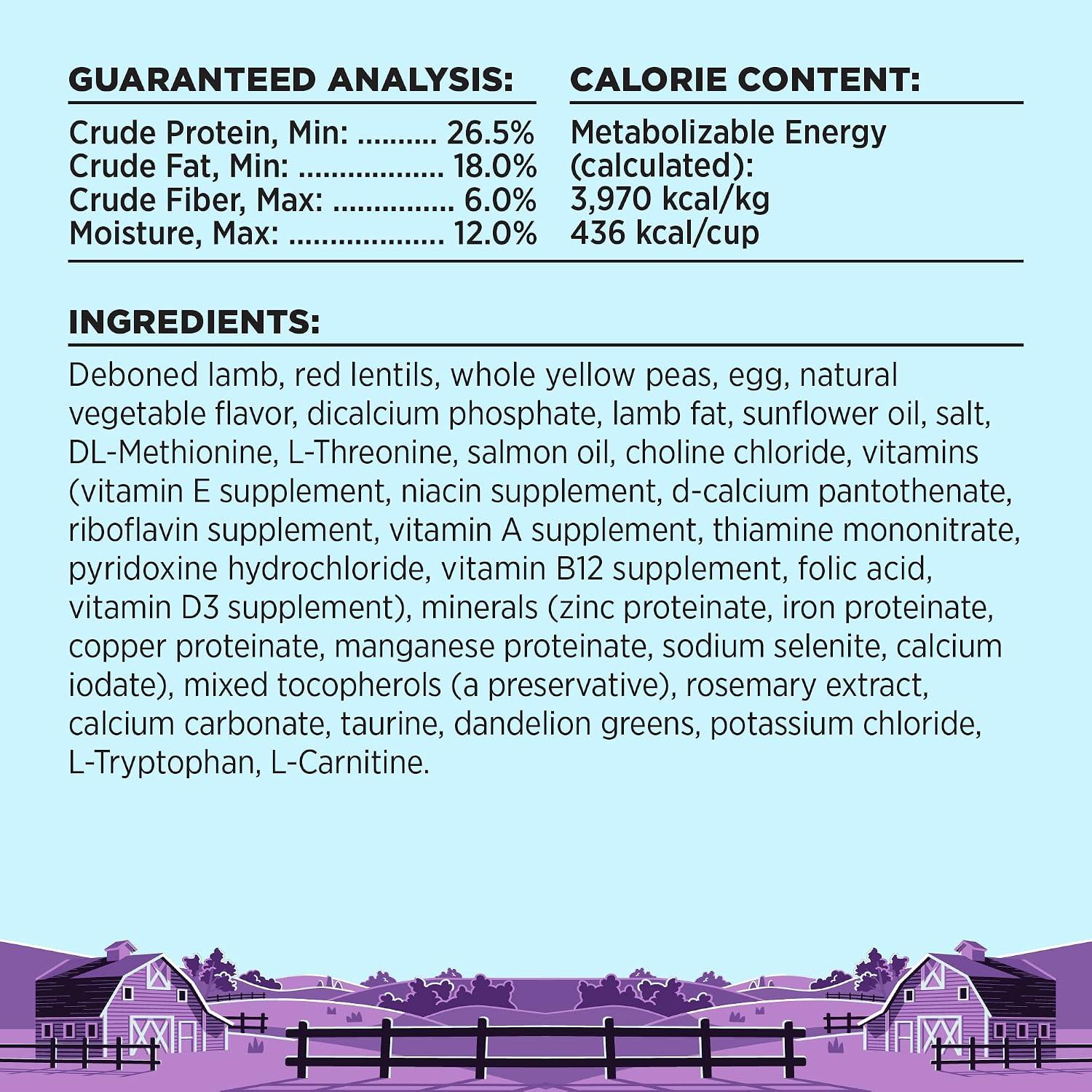
Additional Tips for Managing Your Dog’s skin Allergies
In addition to feeding the right dog food, there are other practical steps you can take to help manage your pet’s skin allergies.Regular grooming using hypoallergenic shampoos can soothe irritated skin and help remove allergens from your dog’s coat. Be cautious with excessive bathing,though,as it can strip natural oils and worsen dryness.
Keeping your dog’s surroundings clean and free of dust, pollen, and other potential allergens will also make a significant difference. Washing their bedding frequently and using air purifiers in your home can minimize exposure to airborne irritants.
always consult your veterinarian before making major dietary changes or introducing supplements. Your vet can provide tailored advice based on your dog’s specific allergy triggers, overall health, and nutritional requirements to ensure the best possible care.
Frequently Asked Questions
How do I know if my dog has a food allergy or a different skin condition?
food allergies typically cause symptoms like itching, chronic ear infections, hair loss, and hot spots. However, skin conditions can also be caused by environmental allergies, parasites, or infections. A vet can conduct tests like elimination diets or skin scrapings to identify the exact cause.
Can I feed homemade meals for my dog with skin allergies?
Homemade meals are an option but must be carefully balanced to ensure they meet your dog’s nutritional needs and avoid allergens. Consulting a veterinary nutritionist is highly recommended before switching to homemade diets to prevent nutritional deficiencies and worsening allergies.
Are grain-free dog foods better for dogs with skin allergies?
Not necessarily. While grain-free diets can help some dogs,grains are rarely the main allergens causing skin issues. It’s more important to focus on the specific protein source and avoid common allergens. always monitor your dog’s response to new diets under veterinary guidance.
Conclusion
Managing your dog’s skin allergies through diet is one of the most effective ways to provide relief and promote healthy skin. By choosing dog foods formulated with limited ingredients, novel proteins, and skin-supporting nutrients, you can help alleviate discomfort and improve your pet’s quality of life. Remember that each dog is unique, so patience and consistency are key while finding the ideal food to suit their needs.
Combining the right nutrition with proper grooming and environmental care will keep your furry friend comfortable, happy, and thriving. With the options and tips provided here, you’re well-equipped to make informed choices that benefit your dog’s skin health and overall well-being.