Introduction
Boxers are a lively and affectionate breed known for their boundless energy and playful nature. To keep your Boxer healthy and energetic, it’s essential to provide a well-balanced diet tailored to their unique needs. Feeding your dog the right food can support their muscular build, maintain joint health, and promote a shiny coat.
Choosing the best dog food for Boxers can be overwhelming because of the many options available. This guide will help you understand what to look for in dog food, highlight top nutritional requirements, and provide product recommendations to ensure your pet thrives every day.
Understanding the Nutritional Needs of Boxers
Boxers are active dogs with strong muscles and a high metabolism. Because of their energetic lifestyle, they require a diet that provides ample protein to support muscle growth and repair.Quality protein sources such as chicken, beef, or fish should be the foundation of their meals.
In addition to protein,Boxers benefit from healthy fats that fuel their active bodies and contribute to skin and coat health. Omega-3 and omega-6 fatty acids found in fish oil and flaxseed are excellent inclusions. A balanced combination of carbohydrates, vitamins, and minerals also supports overall well-being and energy levels.
Tailoring your Boxer’s diet to their life stage-puppy, adult, or senior-is critical. Puppies require more calories and nutrients to support growth, while adult and senior Boxers may need food focused on joint support and maintaining a healthy weight.
Key ingredients to Look for in Boxer Dog Food
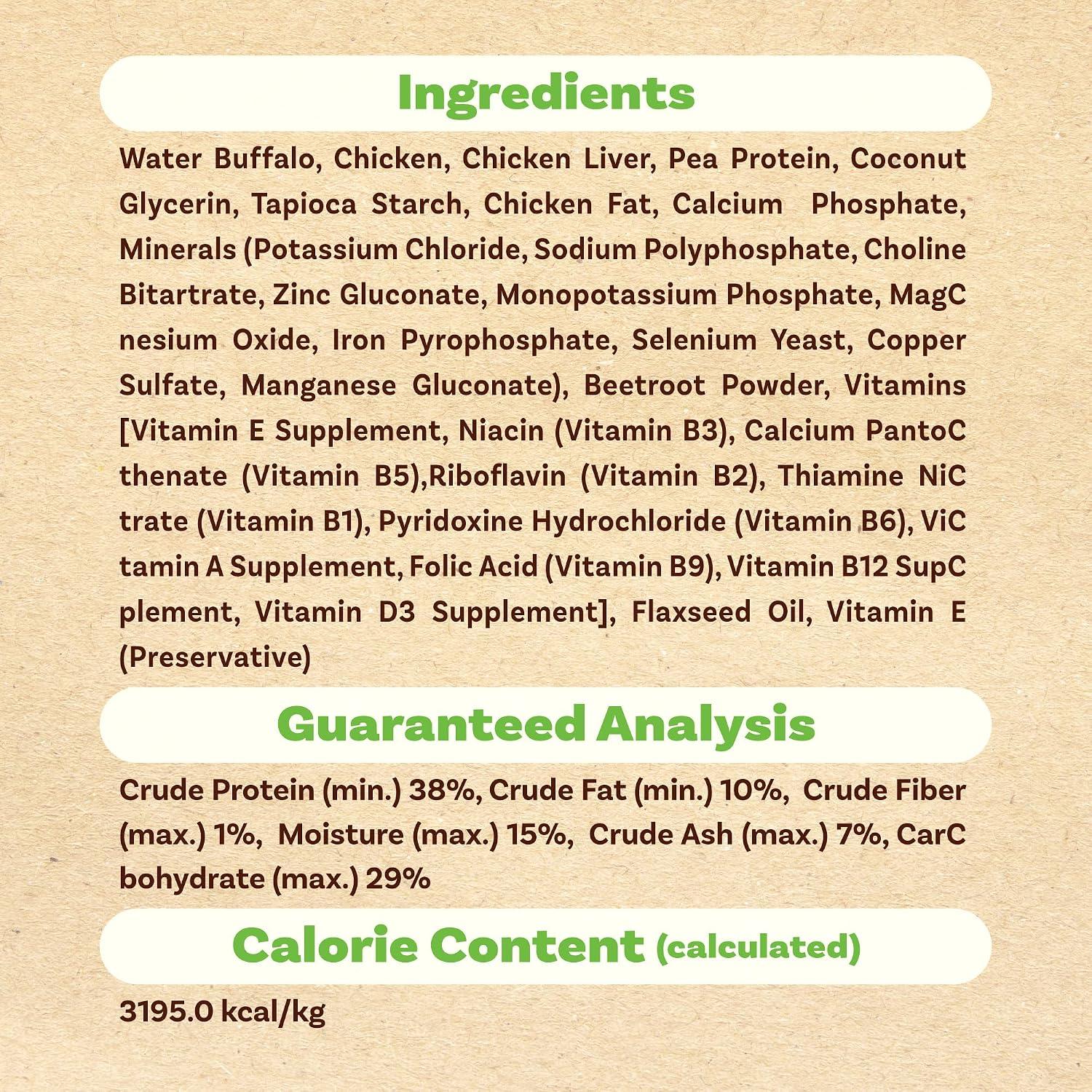
When shopping for dog food for your Boxer, prioritize products with whole food ingredients and minimal fillers.Ingredients such as real meat, vegetables, and whole grains provide necessary nutrients and fiber while avoiding unneeded additives.
Boxers are also prone to food allergies and sensitivities, so it’s wise to choose hypoallergenic or limited ingredient diets if your dog shows signs of intolerance. Monitoring protein sources and avoiding common allergens like corn, wheat, and soy can reduce the risk of digestive upset and skin problems.
Additionally, look for dog foods enriched with glucosamine and chondroitin. These supplements support joint and cartilage health, particularly important for Boxers due to their predisposition to hip dysplasia and arthritis.
Our Top Product Recommendations
How to Transition Your Boxer to a New Dog Food
Switching your Boxer’s diet requires a gradual transition to avoid digestive issues such as upset stomach or diarrhea. Start by mixing a small amount of the new food with their current food, increasing the new food proportion slowly each day over a period of one to two weeks.
Monitor your dog’s response during this time for any allergic reactions or digestive discomfort. If any adverse symptoms occur, pause the transition and consult your veterinarian.Properly introducing new food helps maintain your boxer’s digestive health and eases the adjustment process.
Additionally, maintaining a consistent feeding schedule and providing fresh water at all times can optimize nutrient absorption and keep your Boxer happy and hydrated throughout the day.
Frequently Asked Questions
What is the best protein source for Boxer dog food?
The best protein sources for Boxers are high-quality animal proteins such as chicken, beef, turkey, or fish. These ingredients provide the essential amino acids required for muscle maintenance and energy. Avoid dog foods with unclear protein sources or excessive fillers.
Do Boxers need grain-free dog food?
Grain-free dog food can be beneficial for Boxers with food sensitivities or allergies to grains like wheat or corn.However, not all Boxers require a grain-free diet. Consult your vet if you notice signs of food allergy such as itching, digestive upset, or skin infections.
How often should I feed my Boxer?
Adult boxers generally do well with two meals per day, spaced about 8 to 12 hours apart. Puppies may require three to four meals daily to meet their nutritional needs. Adjust feeding frequency based on your dog’s age,activity level,and veterinary recommendations.
Conclusion
Choosing the best dog food for your Boxer is vital to keep them healthy, energetic, and happy. Focus on high-quality proteins, balanced fats, and supplements that support joint and skin health. By understanding their unique nutritional needs and carefully selecting dog food, you ensure your Boxer thrives through every stage of life.
Remember to observe your pet’s response to any new diet and maintain regular vet check-ups.With proper nutrition and care, your Boxer will enjoy a vibrant, active lifestyle filled with joy and companionship.