Introduction
As a caring dog owner,being prepared for emergencies is crucial to ensure your furry friend’s safety and well-being. Having a well-stocked dog first aid kit at home and on the go can make all the difference when unexpected accidents or health issues arise. In this blog post, we will dive into the essential items every dog first aid kit should contain and offer tips on how to use them effectively.
From minor cuts to urgent situations, knowing what to have and how to respond can reduce stress and help provide timely care.Whether you’re a new dog parent or looking to refresh your pet care knowlege, understanding dog first aid kit essentials will empower you to act confidently in emergencies.
Why a Dog First Aid Kit is Vital for Every Pet Owner
Just like humans, dogs can experience injuries, allergic reactions, or sudden illnesses at any time. While regular vet visits keep your dog healthy, emergencies can happen anywhere-during walks, playtime, or outdoor adventures.Having a designated first aid kit specifically prepared for your dog ensures you have fast access to critical supplies needed to stabilize your pet before professional veterinary care.
A dog first aid kit is not just a convenience; it’s a necessity. It helps you address wounds, prevent infection, control bleeding, and provide comfort during distressing moments. Furthermore, being equipped boosts your confidence in handling unexpected situations because you are ready and knowledgeable about the right steps to take.
Investing time in assembling a complete and proper first aid kit tailored to your dog’s needs reflects your responsibility as a pet owner and may even save your dog’s life in severe cases.
Essential Items to Include in Your Dog First Aid Kit
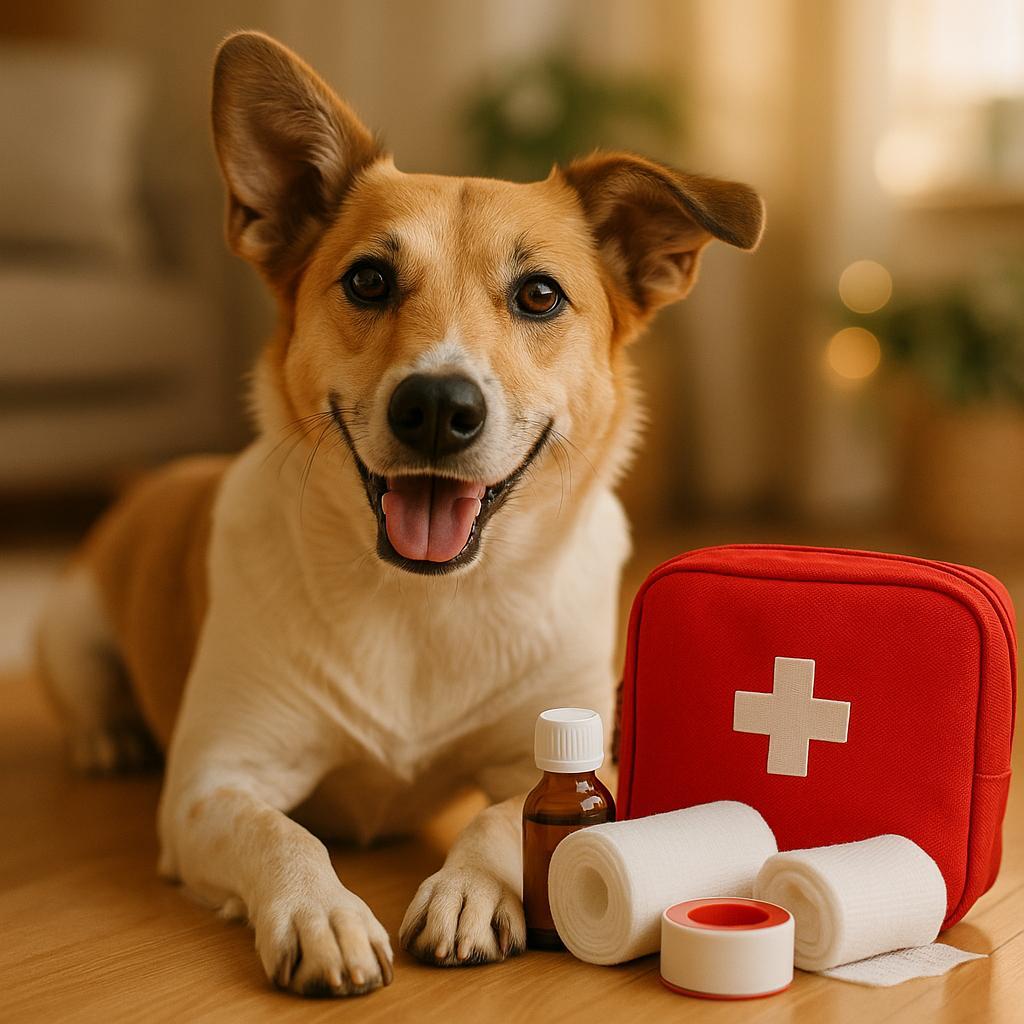
Building a comprehensive dog first aid kit requires thoughtful selection of tools and supplies that cover the most common emergencies your dog might face. Below are core essentials that every kit should contain:
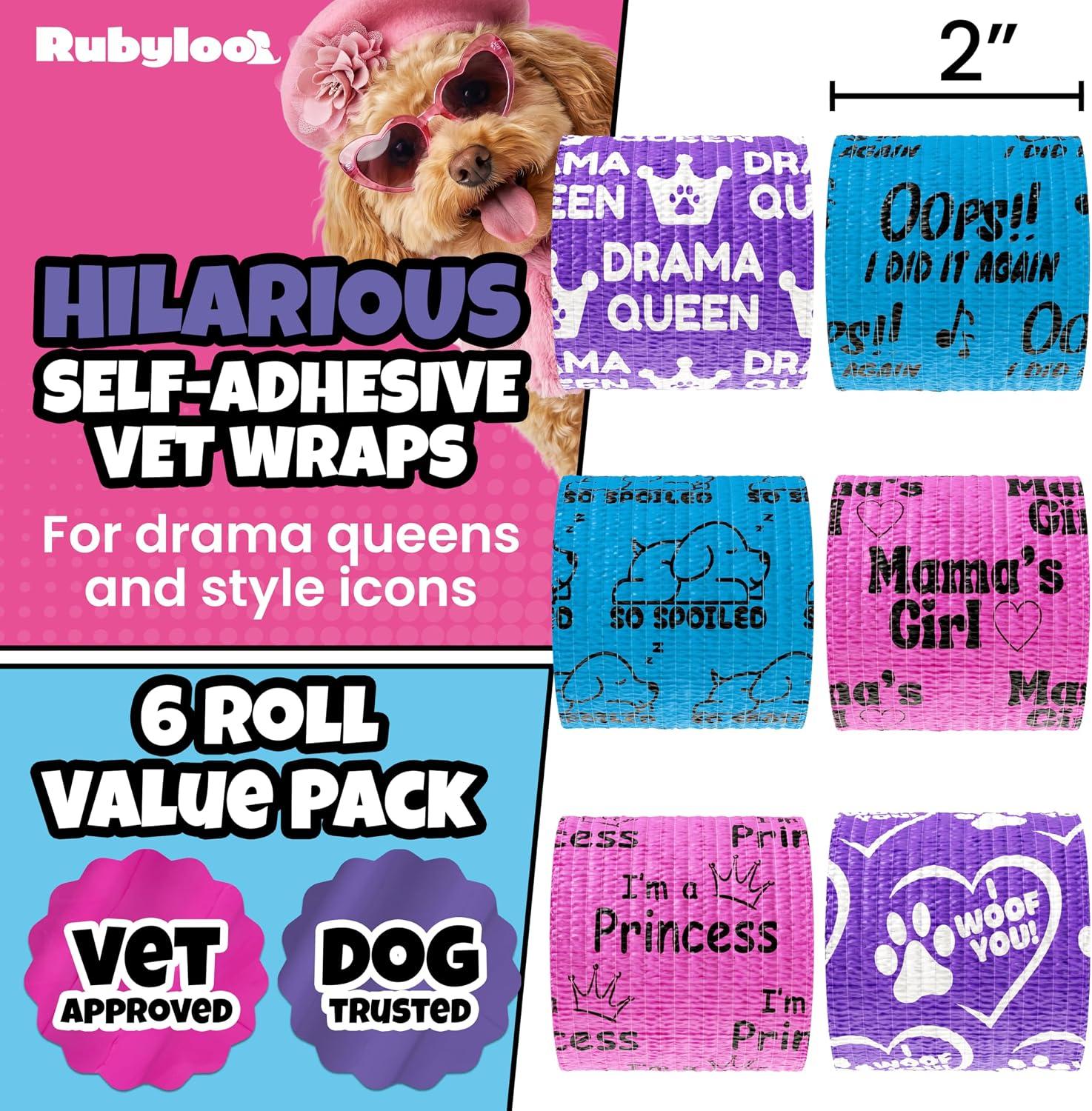
- Bandages and Gauze: To cover wounds, absorb blood, and secure dressings. Include adhesive tape, self-adhesive bandages, and non-stick pads to avoid sticking to fur.
- Antiseptic wipes and Creams: For cleaning minor cuts and scrapes, preventing infection. Use pet-safe antiseptics like chlorhexidine or povidone-iodine.
- Scissors and Tweezers: Scissors help cut gauze or tape, while tweezers can remove ticks, splinters, or debris safely.
- Disposable Gloves: To maintain hygiene and protect yourself during treatment.
- Digital Thermometer: Rectal thermometers are most accurate for dogs; knowing how to take your pet’s temperature can alert you to fever or shock.
- Cold Pack: Use to reduce swelling or soothe muscle injuries.
- Styptic Powder or Pencil: To stop minor bleeding from nail trims or small cuts instantly.
- Saline Solution: For flushing out eyes, wounds, or irritated areas safely.
- Emergency Blanket: Helps keep your dog warm if in shock or hypothermic conditions.
- Leash and Muzzle: After injury, even the gentlest dog may react unpredictably; a muzzle prevents bites during treatment.
It’s also beneficial to include your dog’s medical records, vaccination facts, and any prescribed medications or supplements in the kit for reference during emergencies.
How to Use Dog First Aid Kit Essentials Effectively
Knowing what items belong in your dog first aid kit is only part of the preparedness equation-you also need practical knowledge to apply them correctly. Start by familiarizing yourself with basic first aid techniques, such as cleaning a wound, applying bandages without restricting blood flow, and safely handling your dog during stressful situations.
Always approach your dog calmly to avoid increasing their anxiety or causing defensive behaviour. Wearing disposable gloves helps protect both you and your pet. If your dog is bleeding, apply firm but gentle pressure using sterile gauze to control the flow before dressing the wound. For burns or irritations, rinse the affected area with saline solution to reduce infection risk.
Additionally, learning how to measure your dog’s vital signs, including temperature, pulse, and respiratory rate, can help you decide when to seek immediate veterinary help. Keep emergency contact information readily available to consult your vet or an emergency animal hospital as soon as possible.
Our Top Product Recommendations

Maintaining and Updating Your Dog First Aid kit
To ensure your dog first aid kit is always ready for use, regular maintenance is essential. Check your supplies every few months to verify expiration dates and replace any used or outdated items. Bandages and antiseptics can lose effectiveness over time, so keeping them fresh guarantees optimal functionality during an emergency.
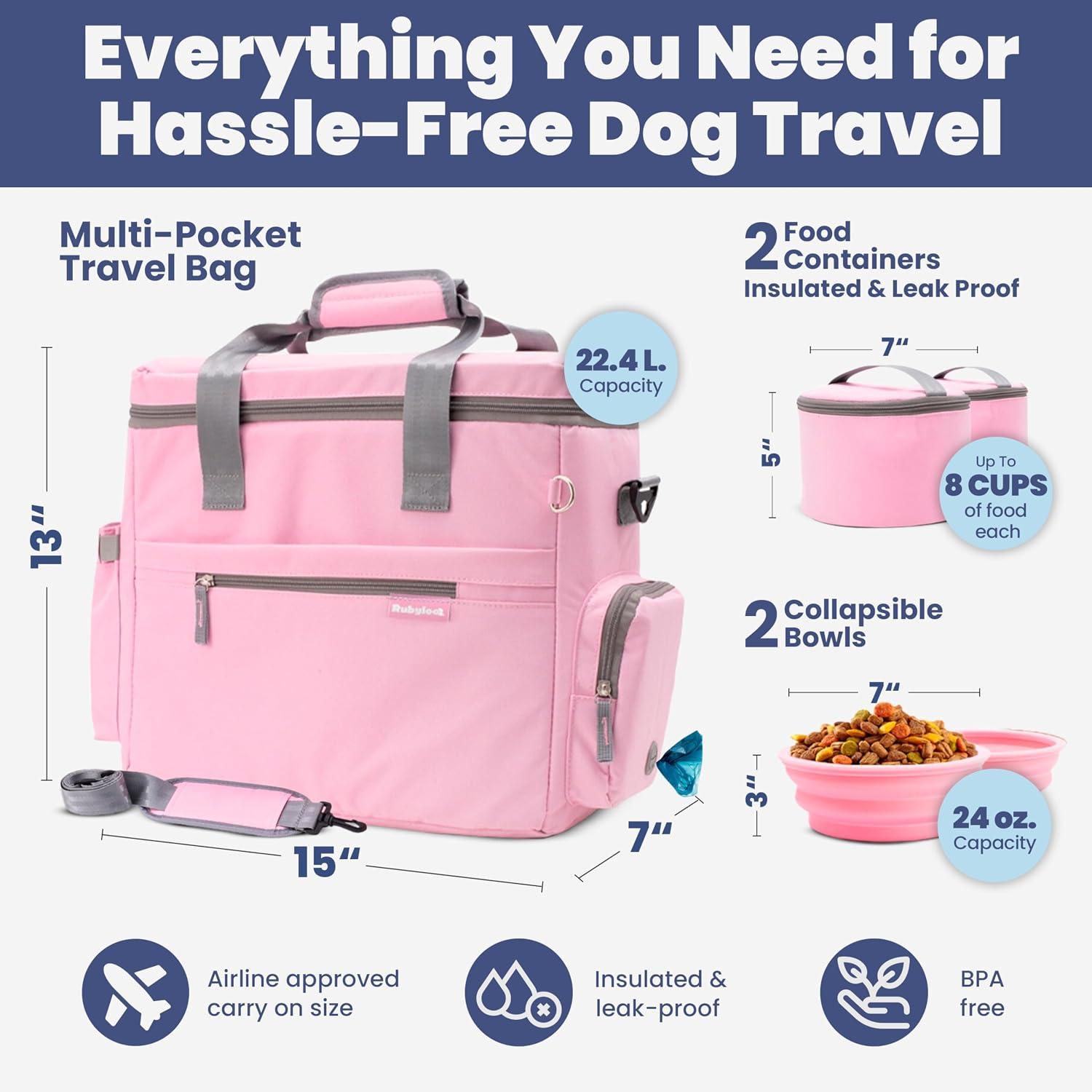
Store your first aid kit in a cool, dry place that is easily accessible during an emergency, and inform othre family members or caretakers of its location. Consider packaging your kit in a sturdy, water-resistant case to protect contents from damage during travel or at home.
Additionally, it’s valuable to refresh your knowledge periodically by reviewing first aid techniques or taking a pet first aid course. This ongoing learning ensures that you will use your first aid kit confidently and appropriately when the need arises.
Frequently Asked Questions
What should I do if my dog has a deep wound?
If your dog has a deep wound, first try to control bleeding by applying firm pressure with a clean gauze or cloth. Avoid removing any objects lodged in the wound. Keep your dog calm and restrict movement to prevent further injury. Contact your veterinarian promptly or visit an emergency pet clinic as deep wounds frequently enough require professional cleaning and stitches.
Can I use human first aid items on my dog?
While some human first aid items may be safe to use temporarily, animal-specific supplies are recommended. Certain antiseptics or medications can be toxic to dogs. Always use pet-safe products designed for canine use whenever possible.In case of uncertainty,consult your veterinarian before administering treatment.
How often should I update my dog’s first aid kit?
It’s best to review and update your dog’s first aid kit every 3 to 6 months. Check items for expiration dates, cleanliness, and usability. replace any expired medications, used bandages, or damaged tools to keep the kit well-stocked and functional at all times.
Conclusion
Emergency preparedness for your dog starts with having a well-equipped and accessible first aid kit. By including essential supplies and learning how to use them properly, you become a proactive pet owner capable of providing immediate care in unexpected situations. Remember, your quick response can greatly impact your dog’s recovery and comfort during an emergency.
Invest time in creating and maintaining your dog’s first aid kit, and stay informed on basic canine first aid practices. with these steps, you can enjoy peace of mind knowing you’re ready to protect your beloved companion no matter what comes your way.