Introduction
Feeding your furry friend nutritious and delicious meals is an important part of responsible pet ownership. Homemade dog food recipes offer a splendid way to ensure your pet’s diet is both healthy and tailored to their specific needs. Preparing meals from scratch allows you to control the ingredients, avoid harmful additives, and provide balanced nutrition to keep your dog happy and energetic.
In this blog post, we’ll explore easy homemade dog food recipes that any dog owner can make with minimal effort. Whether you’re new to cooking for your pet or looking to add variety to their meals, these simple recipes are sure to please both you and your canine companion.
Why Choose Easy Homemade Dog Food Recipes?
Many dog owners find it challenging to switch to homemade meals because of concern over time, effort, or balancing nutrients. However, easy homemade dog food recipes demystify the process by offering straightforward, quick-to-make dishes that require common ingredients. These recipes eliminate the need for complicated planning, making it practical to feed your dog fresh, wholesome meals regularly.
Additionally, homemade dog food allows you to avoid preservatives, fillers, and artificial flavors often found in commercial pet foods. These natural meals can improve digestion, reduce allergies, and promote a shiny coat and strong immune system. By choosing easy recipes, you empower yourself to provide the best care without the stress of complex cooking or strict ingredient lists.
Simple Ingredients for Nutritious Dog Meals
When creating homemade dog food, it’s important to focus on balanced ingredients that cover protein, carbohydrates, fats, vitamins, and minerals. Simple staples like lean meats (chicken, turkey, beef), vegetables (carrots, green beans, sweet potatoes), and grains (brown rice, oats) can be combined in various ways to create flavorful and nourishing meals.
Ensure that the proteins are cooked thoroughly and bones are excluded to prevent choking hazards. Vegetables should be cooked or steamed to make them easier to digest. Avoid onions, grapes, raisins, chocolate, and any artificial sweeteners such as xylitol, as these are toxic to dogs. Using these nutritious building blocks guarantees meals that support your dog’s health and vitality.
Our Top Product Recommendations
Easy Homemade Dog Food Recipes to Try Today
Ready to start making your own dog food? Here are some simple recipes to get you going:
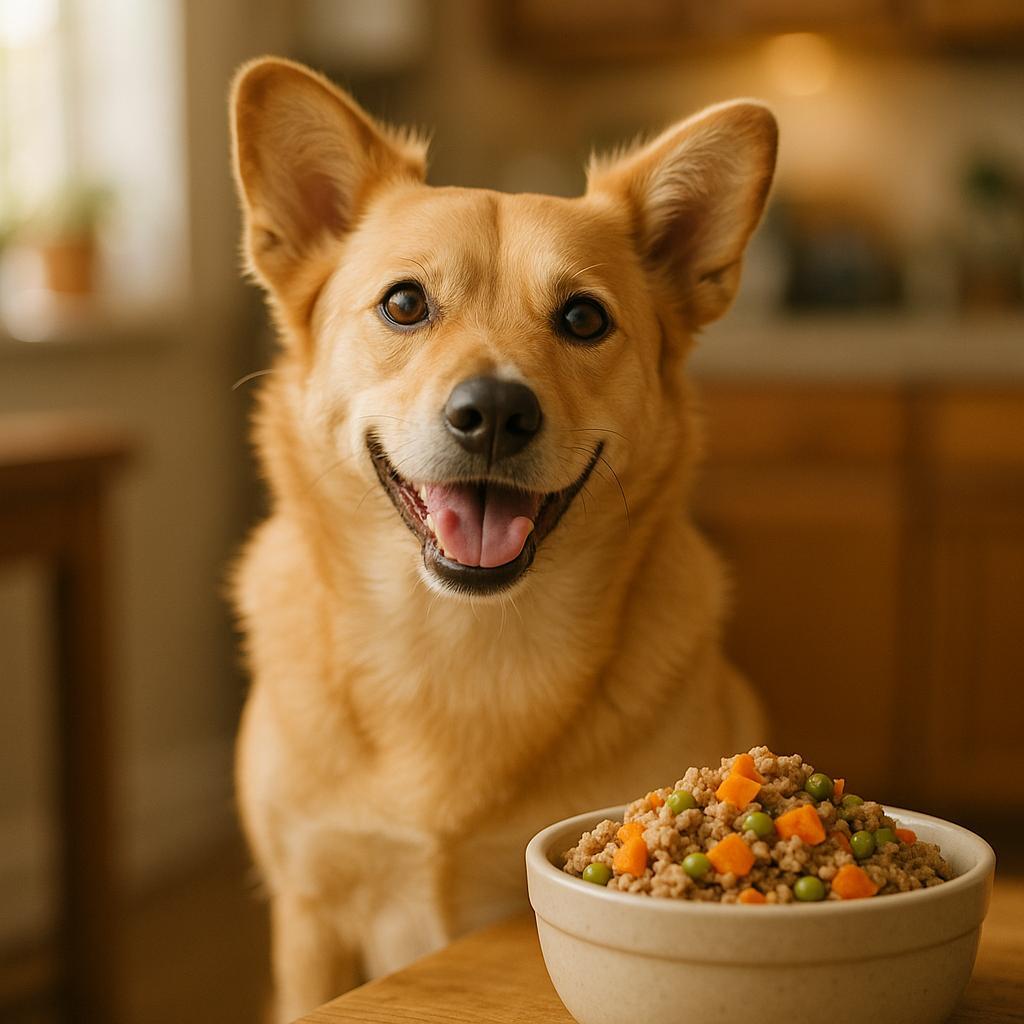
- Chicken and Rice Delight: Cook 1 cup of brown rice according to package instructions. Boil 1 lb of boneless, skinless chicken breasts until cooked through, then shred. Mix the chicken with the rice and add steamed carrots and peas for a tasty and balanced meal.
- Beef and Sweet Potato Mash: Brown 1 lb of lean ground beef in a pan, drain excess fat. Boil or steam 1 cup of diced sweet potatoes until tender, then mash. Combine beef with sweet potatoes and add steamed green beans for added fiber and nutrients.
- Turkey and Vegetable Medley: Sauté 1 lb of ground turkey until fully cooked. Steam a mix of zucchini, carrots, and spinach, then chop finely. Mix turkey and vegetables together with a tablespoon of olive oil for healthy fats and shine.
All recipes can be stored in airtight containers in the refrigerator for up to three days or frozen in portions for convenience.
Tips for Safely Preparing and Storing Homemade Dog Food
Food safety is crucial when preparing meals for your dog. Always wash your hands before and after handling raw meat, and sanitize surfaces and utensils to prevent bacterial contamination. Avoid adding any seasoning or spices unless approved by your veterinarian, as many common seasonings can be harmful to dogs.
Once prepared, allow the food to cool to room temperature before serving. Store leftover portions in the fridge for no more than three days, or freeze in individual servings to keep the food fresh longer. When thawing frozen meals,do so in the refrigerator rather than at room temperature to minimize bacterial growth. Following these practices ensures your pet enjoys safe, healthy meals every time.
Frequently Asked Questions
Is homemade dog food nutritionally complete?
Homemade dog food can be nutritionally complete if carefully balanced with proper portions of protein, carbohydrates, fats, vitamins, and minerals. It’s critically important to consult your veterinarian or a pet nutritionist to create recipes tailored to your dog’s individual health needs and life stages.
Can I feed my dog homemade food every day?
Yes, you can feed your dog homemade food daily, but it’s vital to ensure the meals are balanced and meet all nutritional requirements. Regular veterinary check-ups can help monitor your dog’s health and make adjustments as needed.
What foods should I avoid when making homemade meals for my dog?
Dogs should never consume onions, garlic, grapes, raisins, chocolate, caffeine, alcohol, or foods containing xylitol. Additionally, avoid excessive salt, spices, and fatty or fried foods. Always check ingredient safety before feeding any new food to your dog.
Conclusion
Preparing easy homemade dog food recipes is a wonderful way to provide your pet with fresh, wholesome nutrition while deepening your bond. By choosing simple ingredients and following safe cooking and storage practices, you can cater to your dog’s unique dietary needs and preferences. With these easy recipes and tips, making healthy meals at home becomes a fun and rewarding part of your pet care routine.
Remember, always consult your veterinarian when making significant changes to your dog’s diet to ensure their health and happiness for years to come.