Introduction
Training an aggressive dog at home can be a challenging but rewarding experience for any dog owner. Aggression in dogs can stem from various causes, including fear, territorial instincts, or past trauma, and addressing it with patience and consistency is crucial for safety and effective control. This blog post will guide you through practical and compassionate techniques to help you manage and improve your dog‘s aggressive behaviour at home.
By understanding the reasons behind your dog’s aggression and using proven methods, you can foster a safer habitat for both your dog and your family. Whether your dog shows aggression towards other dogs, strangers, or even family members, these strategies will help you regain control while strengthening the bond you share.
Understanding the Root Causes of Aggression
Before implementing any training strategies, it’s essential to identify why your dog is displaying aggressive behavior. Aggression can arise from fear, frustration, possessiveness, or a desire to protect territory or resources. taking time to observe your dog’s triggers-such as specific people, other animals, or situations-can provide valuable insights into the cause of aggression.
Understanding these triggers helps you tailor a training plan focused on desensitization and counter-conditioning. For example, if your dog’s aggression is rooted in fear, gradually exposing them to the feared stimulus in a controlled and positive way can reduce reactive behaviors over time. Consulting a professional trainer or behaviorist can also be beneficial if aggression persists or worsens.
Effective Training Techniques to Manage Aggression
Consistency and positive reinforcement are the cornerstones of successful aggression training. Start by establishing clear rules and a structured daily routine that includes physical exercise, mental stimulation, and obedience training.Teaching basic commands like “sit,” “stay,” and “leave it” builds communication and helps manage your dog in tense moments.
Implement controlled socialization carefully by gradually introducing your dog to new environments, people, and other animals while monitoring their reactions closely. Use treats and praise to reward calm behavior during these interactions. Avoid any form of punishment, as it can escalate aggression and damage trust between you and your dog.
Another effective technique is using a “time-out” approach when your dog shows signs of aggression. Calmly removing your dog from the triggering situation without yelling or physical force teaches them that aggressive behavior leads to losing attention and interaction, which can definately help reduce outbursts.
Our Top Product Recommendations
1. Gentle Leader Headcollar
Shop Now
This headcollar gently guides your dog’s head to reduce pulling and improve control, making it easier to manage aggressive tendencies during walks.
2. ThunderShirt anxiety Relief Jacket
Shop Now
Designed to apply gentle pressure, this jacket calms dogs who experience fear-based aggression, helping to reduce stress in triggering situations.
3. Interactive Treat Dispensing Toy
Shop Now
This toy provides mental stimulation and positive engagement, which can help reduce frustration-related aggression.
Maintaining Safety While Training Your Aggressive Dog
Safety should always be your top priority when handling an aggressive dog at home. Use appropriate tools such as a sturdy leash, harness, or muzzle if necessary to prevent any harm during training sessions or everyday interactions.Never underestimate the importance of controlling your dog physically while working on behavior modification.
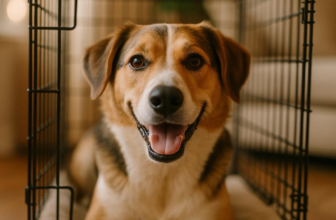
Establish a safe space in your home where your dog can retreat and feel secure when overwhelmed. This can definitely help reduce stress and prevent aggressive flare-ups. Monitor your dog’s body language frequently to spot early signs of tension or discomfort, allowing you to intervene before aggression occurs.
Remember to also protect yourself and others by clearly communicating your dog’s status to family members, guests, and neighbors. Social boundaries and respectful training are essential for everyone’s peace of mind.
Frequently Asked Questions
Can I train an aggressive dog on my own, or do I need professional help?
While some mild cases of aggression can be managed at home with patience and consistent training, severe or risky aggression warrants consulting a professional trainer or behaviorist. They can provide specialized techniques and ensure safety during the process.
How long does it take to see enhancement in an aggressive dog’s behavior?
Improvement varies depending on the dog’s history, the severity of aggression, and commitment to training.Some owners notice changes within a few weeks, but it can frequently enough take several months of consistent work to achieve lasting results.
Is punishment effective in controlling aggression?
No, punishment typically exacerbates aggression by increasing fear and anxiety. Positive reinforcement techniques, such as rewarding calm behavior and redirecting negative responses, are much more effective and strengthen the bond between you and your dog.
Conclusion
Training an aggressive dog at home requires dedication, patience, and a thoughtful approach to understanding your dog’s behavior. By focusing on positive reinforcement, managing triggers, and ensuring safety, you can help your dog become calmer and more responsive, improving life for both you and your pet.
Remember, every dog is unique, and progress may take time, but with consistency and love, you can create a safer, more harmonious home environment. Don’t hesitate to seek professional support when needed and always prioritize the well-being of your dog and those around you.