
Introduction
As a dedicated dog owner, ensuring your furry friend stays healthy and full of vitality is always a top priority. One of the most effective ways to support your dog’s overall health is by strengthening their immune system. Just like humans, dogs rely on a robust immune system to fend off infections, illnesses, and environmental stressors that can negatively affect their well-being.
Vitamins play a crucial role in boosting your dog’s immune defenses, helping them stay energetic and happy throughout their life. In this detailed guide, we’ll dive into the best vitamins for dogs’ immune systems, why they’re important, and how to incorporate them into your pet’s daily routine.Whether you have a playful puppy or a senior dog, understanding these essential nutrients can make all the difference.
Essential Vitamins for Boosting Your Dog‘s Immune System
Several vitamins are basic for maintaining and enhancing a dog’s immune system. Vitamin C, a well-known antioxidant, is critical in reducing oxidative stress and protecting cells from damage caused by free radicals. While dogs can produce some vitamin C naturally, providing additional amounts through diet or supplements can help strengthen their immune response during times of stress or illness.
Vitamin E is another powerful antioxidant that combats harmful free radicals and supports skin and coat health. It helps enhance the immune response by promoting healthy cell membranes and proper function of immune cells. Including sources rich in vitamin E, such as certain oils or specialized supplements, supports overall immunity and vitality.
Lastly, the B-complex vitamins, including B6, B12, and folate, play a vital role in energy metabolism and red blood cell production. These vitamins help maintain a healthy nervous system and optimize immune function, making them essential for dogs active in play or training.
The Role of Minerals and Other Nutrients in immune Health
Alongside vitamins, minerals like zinc, selenium, and copper are crucial allies to your dog’s immune system. Zinc facilitates wound healing and the advancement of immune cells, while selenium offers antioxidant protection. A deficiency in these minerals can lead to weakened immunity and slower recovery from illness.
Omega-3 fatty acids, found in fish oil and flaxseed, are also key to maintaining a balanced inflammatory response. They help reduce excessive inflammation which can hinder immune function. Adding omega-3 supplements or feeding your dog fatty fish can provide these beneficial fats and contribute to a stronger immune defense.
Probiotics shouldn’t be overlooked either. Although not vitamins or minerals, these pleasant bacteria support gut health, where a significant portion of the immune system resides.Probiotics promote a balanced gut flora, improving your dog’s ability to fight infections naturally.
Our Top Product Recommendations
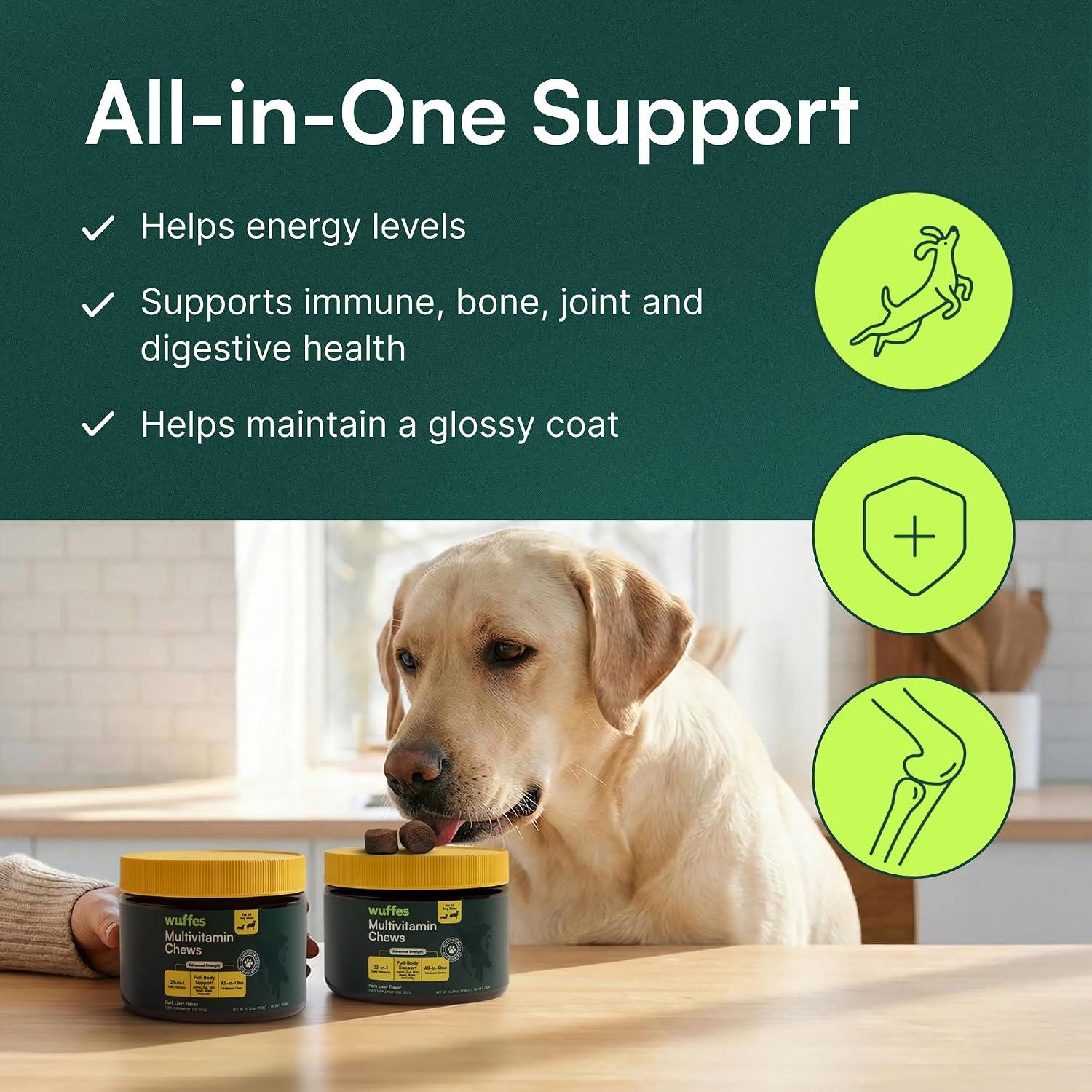

How to Safely Incorporate Vitamins into Your Dog’s diet
Before adding any vitamin supplements to your dog’s diet, it’s important to consult with your veterinarian to understand your pet’s specific needs and avoid overdosing. Dogs require different nutrients based on their age, size, breed, and existing health conditions. A professional can recommend the right vitamins and dosages tailored to your dog’s lifestyle.
When introducing supplements, start slowly by mixing them into your dog’s food and observe for any adverse reactions, such as upset stomach or allergic responses. Opt for high-quality products that are specifically formulated for dogs to ensure safety and effectiveness. Avoid giving human vitamin supplements, as these may contain ingredients harmful to dogs.
Additionally, maintaining a balanced and nutritious diet rich in natural vitamins and minerals is key to supporting your dog’s immune system. Incorporate fresh, whole foods like lean meats, vegetables, and fruits that are safe for dogs to provide a natural source of essential nutrients every day.
Frequently Asked Questions
What are the most critically important vitamins for a dog’s immune system?
The most important vitamins for boosting a dog’s immune system include vitamin C, vitamin E, and the B-complex vitamins (such as B6 and B12). These vitamins support antioxidant protection, energy metabolism, and immune cell function, helping to keep your dog healthy and resilient.
Can I give my dog human vitamins?
It is not recommended to give your dog human vitamins because they may contain ingredients or dosages unsafe for dogs. Always use supplements designed specifically for dogs and consult your vet before adding any new vitamins to your pet’s routine.
How do I know if my dog needs immune system vitamins?
If your dog experiences frequent infections,slow recovery from illness,or has a weakened appetite,they might benefit from immune-supporting vitamins. However, a veterinarian can provide the best guidance by assessing your dog’s health and recommending appropriate supplements if needed.
Conclusion
Supporting your dog’s immune system with the right vitamins and nutrients is an excellent strategy to maintain their overall health, vitality, and happiness. Vitamins like C,E,and the B complex,combined with essential minerals and omega-3 fatty acids,provide the building blocks for a strong immune response and better quality of life.
By choosing high-quality supplements and working closely with your vet, you can ensure your beloved dog gets the nutritional support they need to stay active, healthy, and full of energy for years to come.