Introduction
Labrador Retrievers are one of the most popular dog breeds worldwide,loved for their friendly temperament,intelligence,and boundless energy. As a dog owner, ensuring that your Labrador is well-nourished is crucial to maintaining their health, happiness, and longevity. Feeding your Lab the right food tailored specifically to their breed can support their active lifestyle, promote healthy weight, and prevent common health issues that Labradors are prone to.
This blog post dives deep into the best dog food options for Labrador Retrievers. We’ll explore importent nutritional considerations, what to look for in commercial dog food, and share expert product recommendations to help you make informed choices. Whether you have a spirited puppy or an adult Lab, this guide will serve as your go-to resource for keeping your beloved pet vibrant and thriving.
key Nutritional Needs of labrador Retrievers
Labrador Retrievers have unique dietary needs due to their size, activity level, and genetic predispositions. First and foremost, Labs benefit from a balanced diet rich in high-quality proteins, which support muscle maintenance and overall energy. Protein sources such as chicken, beef, or fish should be among the primary ingredients on the food label.
additionally, Labradors are prone to obesity, which can stress their joints and lead to health complications like diabetes and heart problems. Therefore, managing calorie intake and ensuring the food contains a healthy balance of fats-primarily omega fatty acids-is essential.These fats also help maintain a shiny coat and support cognitive function. Lastly,glucosamine and chondroitin supplements have become popular in Labrador-specific formulas to sustain joint health as Labs are known for being active and playful.
Vitamins and minerals such as vitamin E, zinc, and antioxidants also play a vital role in boosting the immune system. A good dog food will include these nutrients sourced from fruits, vegetables, and other wholesome ingredients designed for optimal Labrador health.
Choosing the Right Dog Food for Your Labrador
When selecting dog food for your Labrador Retriever, itS critically important to consider their life stage-puppy, adult, or senior-as nutritional needs vary wiht age. Puppy formulas focus on extra protein, DHA for brain advancement, and calories for growth, while adult and senior formulas emphasize weight management and joint support. Be sure to check the packaging for life stage suitability.
Another consideration is the ingredient list and sourcing. Grain-free diets have gained popularity, but recent studies suggest that many Labradors do well on foods containing whole grains, which provide fiber and energy. Look for foods without fillers such as corn, wheat, or soy, and avoid artificial preservatives, colors, or flavors.
Lastly, portion control and feeding frequency are key for Labradors since they tend to love food and can easily gain excess weight. Many experts recommend dividing their daily food intake into two or more meals to help with digestion and prevent overeating.
Our Top Product Recommendations
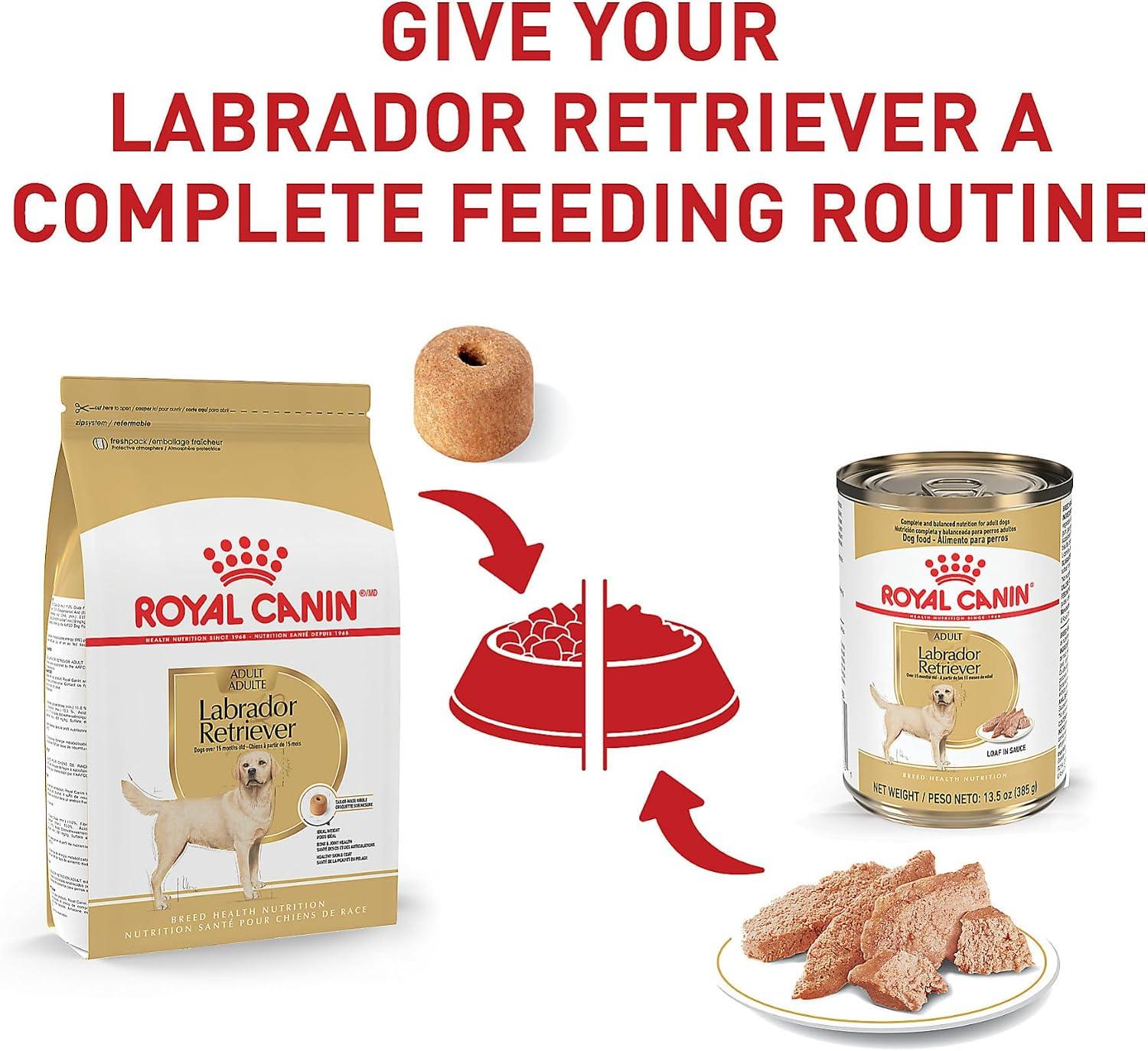
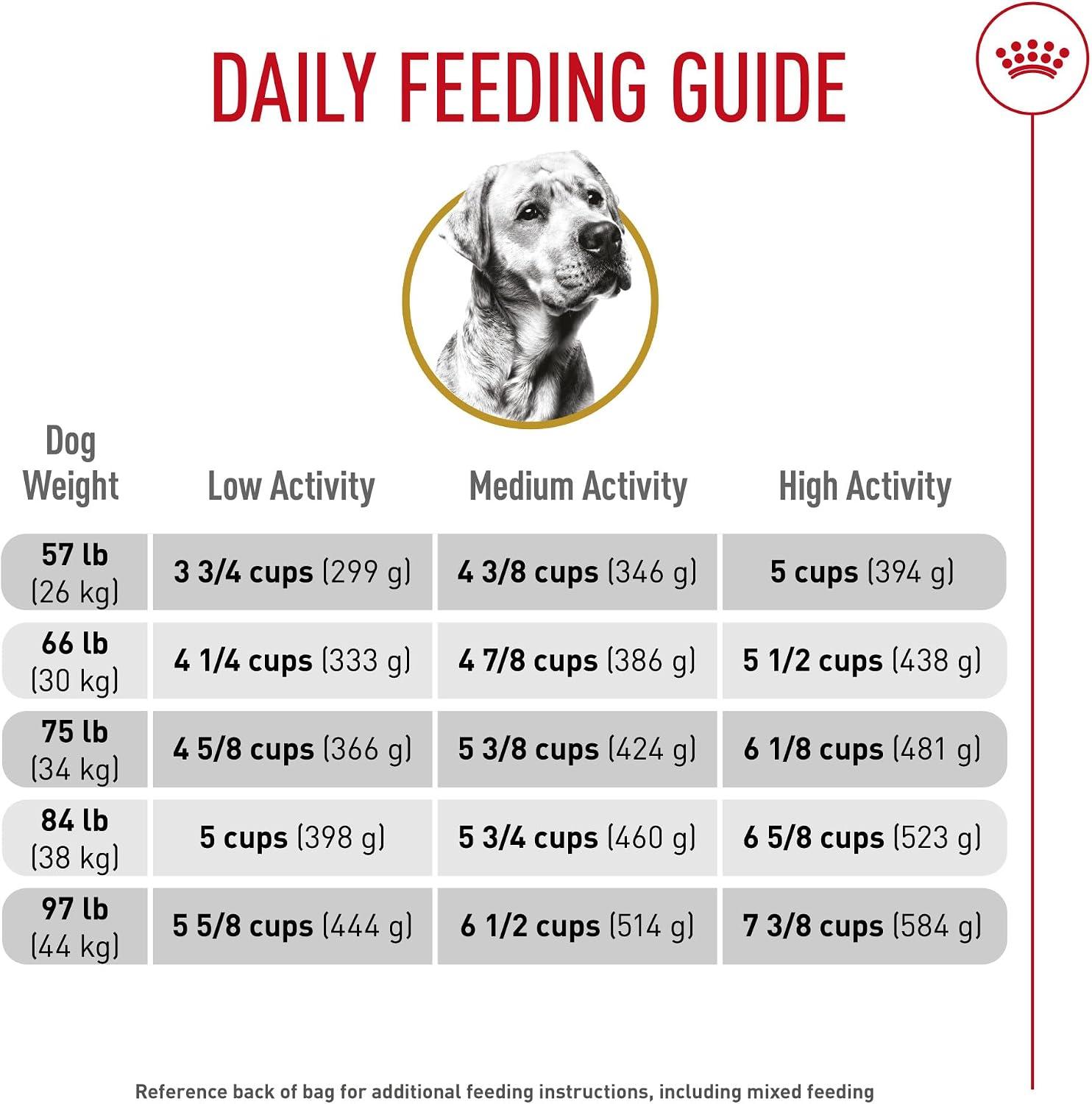
Special Considerations for Labrador Health
Labradors are a loving breed but come with their share of health concerns that owners need to address proactively, notably through nutrition. hip and elbow dysplasia are common in Labs, making joint support vital. Foods enriched with glucosamine and chondroitin help maintain healthy cartilage and ease joint discomfort.
Another common issue is obesity, ofen stemming from overfeeding and insufficient exercise. Obese labradors are more prone to arthritis and other diseases, so choosing a food with proper calorie control and lean protein is important. Some dog foods aim at weight management and contain ingredients to keep your dog feeling full and satisfied without excess calories.
Labs also tend to have sensitive stomachs or food allergies, so it’s wise to monitor your dog after switching foods and select options formulated for sensitive digestion if necessary. probiotics and easily digestible ingredients can support gut health and reduce gastrointestinal upset.
Frequently Asked Questions
What is the best age to switch my Labrador from puppy to adult dog food?
The ideal time to switch your Labrador from puppy to adult food is generally around 12 to 18 months of age. This transition coincides with their physical maturity and a shift in nutritional requirements. However, it’s best to consult your veterinarian for personalized advice based on your dog’s growth and health.
How can I prevent my Labrador Retriever from becoming overweight?
Preventing obesity in Labradors involves feeding the correct portion size,avoiding excessive treats,encouraging regular exercise,and choosing dog foods formulated for weight management.Monitoring your dog’s body condition and consulting with your vet periodically will help you adjust diet and activity to keep your Lab fit.
Are grain-free dog foods better for Labrador Retrievers?
Not necessarily. While some dogs benefit from grain-free diets, most Labradors digest whole grains well and can benefit from the fiber and nutrients grains provide. Unless your Lab has a specific allergy diagnosed by a vet, a balanced diet with quality grains is generally appropriate and healthier.
Conclusion
Choosing the best dog food for your Labrador Retriever is an important step in ensuring their health, happiness, and vitality. By understanding their unique nutritional needs and selecting high-quality, breed-specific foods, you can help prevent common health issues and support a long, energetic life for your furry companion.
Remember to keep an eye on ingredient quality, portion control, and any signs of allergies or digestive problems. Pairing the right diet with regular exercise and veterinary care will make your Labrador not only healthy but also a joyful, loving member of your family for years to come.