
Introduction
When your beloved dog suffers from a sensitive stomach, it can be distressing to watch them struggle with digestion issues, discomfort, or irregular bowel movements. Choosing the right dog food is essential to help manage these sensitivities and keep your furry friend feeling thier best. Sensitive stomachs in dogs can result from food allergies, intolerances, or underlying health conditions, so feeding them a diet that supports their digestive health is critical.
Fortunately, there are many specially formulated dog foods designed to cater to sensitive stomachs, featuring easily digestible ingredients, limited allergens, and nutritional balance. In this guide, we’ll dive into how to identify the best dog food for a sensitive stomach, what ingredients you should look for, and recommend top products that pet owners trust.By making informed choices, you can help your dog maintain a happy, healthy digestive system and overall well-being.
Understanding What Makes Dog Food Suitable for Sensitive Stomachs
Not all dog foods are created equal, especially when your pet requires a sensitive stomach diet. Foods designed for sensitive stomachs typically include hypoallergenic or limited ingredient formulas that minimize the risk of triggering adverse reactions. These diets often avoid common allergens like wheat, corn, soy, and certain proteins, instead focusing on novel or single protein sources that are gentler on the digestive system.
Additionally, the inclusion of prebiotics and probiotics helps support a healthy gut flora, enhancing digestion and nutrient absorption. Ingredients that are easily digestible-such as rice, sweet potatoes, or pumpkin-also help soothe gastric upset and provide a steady source of energy without causing irritation. It’s vital to choose dog food that is free from artificial additives, fillers, and preservatives, as these can aggravate sensitive stomachs.
Key Ingredients to look for in Sensitive Stomach Dog Food
When shopping for dog food to help manage your pup’s sensitive stomach, paying close attention to ingredient lists is essential.One of the most important elements to seek is a limited ingredient diet (LID) that uses a single source of protein and a single carbohydrate source. This allows easier identification and elimination of any potential allergens. Proteins like lamb, duck, or fish are common novel protein options your dog may tolerate well.
moreover, carbohydrates such as sweet potatoes or brown rice provide a gentle source of fiber and energy while supporting digestive health. Look for added prebiotic fibers like chicory root and digestive enzymes that help break down food effectively. Omega-3 fatty acids from fish oil or flaxseed can also reduce inflammation and improve coat and skin health, which is critically important when allergies or sensitivities are present.
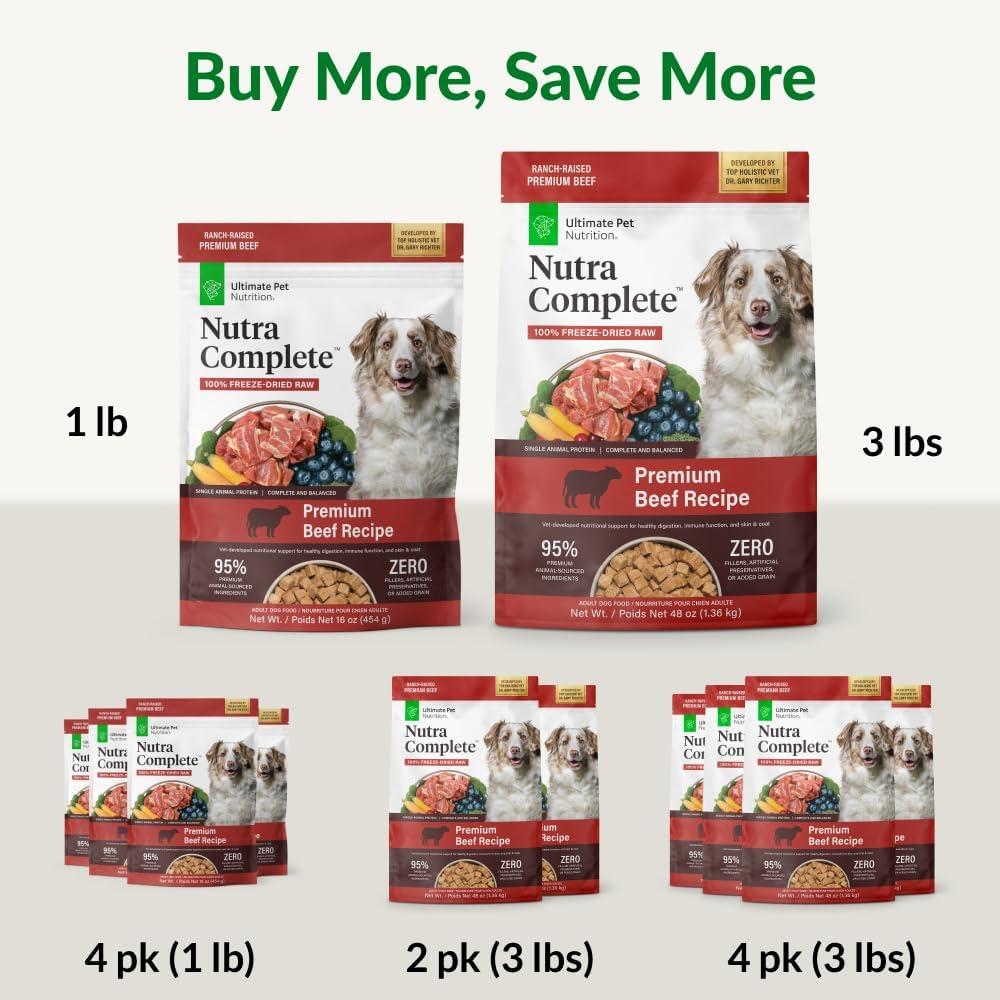
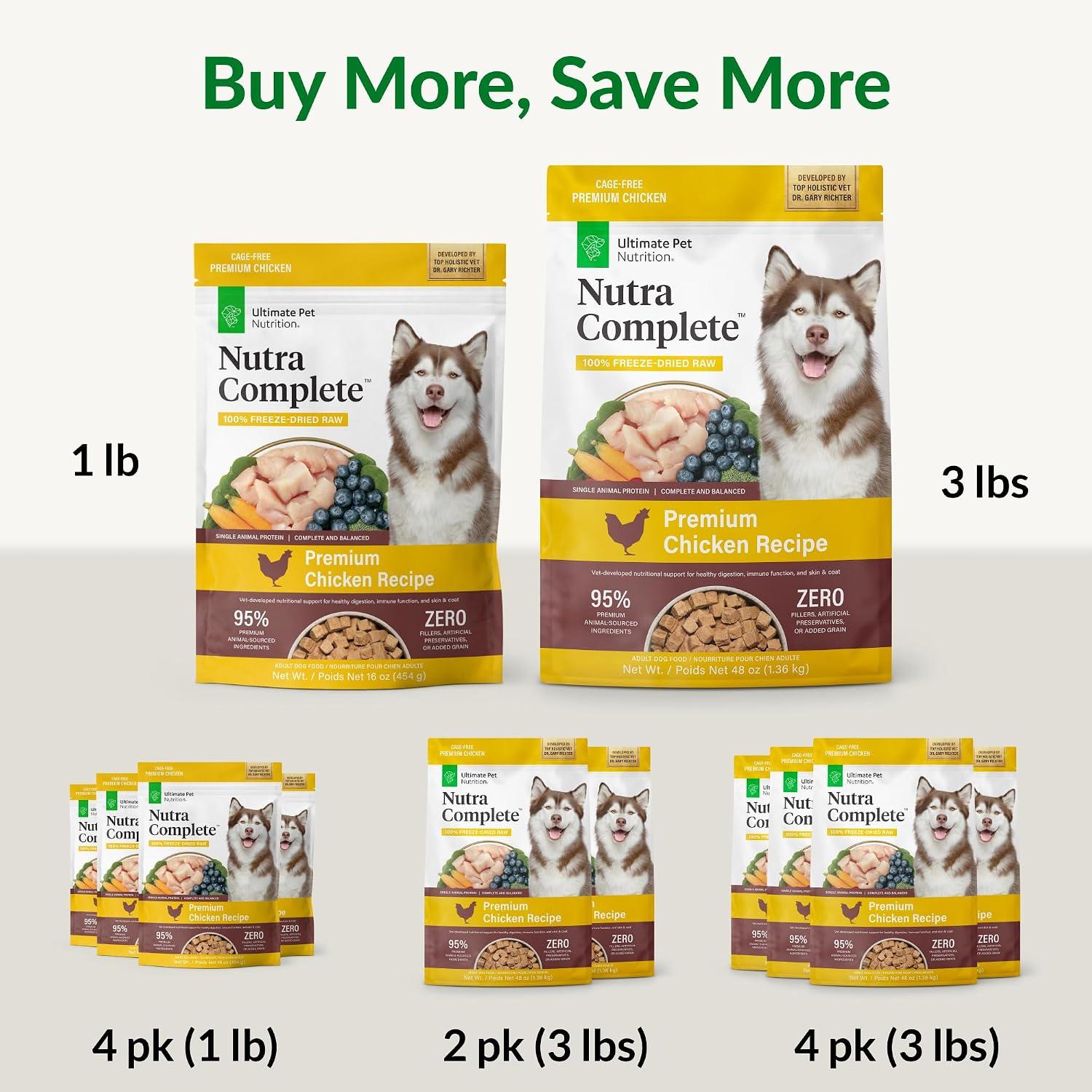
Our Top Product Recommendations

tips for Transitioning Your Dog to Sensitive Stomach Food
Switching your dog’s diet to a new food, especially one formulated for sensitive stomachs, should be done gradually to avoid further digestive upset. Start by mixing a small amount of the new food with your dog’s current food,increasing the new food’s portion slowly over the course of 7 to 10 days. This helps your pup’s digestive system adjust comfortably to the new ingredients.
Keep a close eye on your dog during this transition period for any signs of intolerance such as vomiting, diarrhea, or excessive gas. If symptoms persist, consult your veterinarian to rule out other health problems or reconsider the food choice. Alongside diet, maintain proper hydration and regular exercise, as these factors also contribute to overall digestive health.
Frequently Asked Questions
What signs indicate my dog has a sensitive stomach?
Common signs include frequent vomiting, diarrhea, excessive gas, bloating, loss of appetite, and lethargy. You might also notice your dog has itchy skin or poor coat condition, which can be linked to food sensitivities affecting digestion and overall health.
Can I feed homemade food to a dog with a sensitive stomach?
Yes, homemade diets can be beneficial if balanced properly, but it’s crucial to work with a veterinarian or pet nutritionist.Home-cooked meals should include easily digestible proteins and carbohydrates and avoid common allergens. Supplementing with vitamins and minerals is frequently enough necessary to ensure nutritional completeness.
Are grain-free diets better for dogs with sensitive stomachs?
Not necessarily. While some dogs benefit from grain-free diets as grains can be irritants, others do fine with whole grains like brown rice or oats. The key is to identify specific ingredients your dog reacts to and choose a diet that avoids those, rather than assuming grain-free is always better.
Conclusion
Choosing the best dog food for a sensitive stomach can greatly improve your pet’s quality of life. By selecting diets with limited ingredients, highly digestible proteins, and beneficial supplements like prebiotics, you can help soothe your dog’s digestive system and prevent discomfort. Remember to transition foods gradually and monitor your dog for any adverse reactions.
With the right food and care, dogs with sensitive stomachs can thrive, enjoying happy, healthy days with their favorite people. Investing in quality nutrition is a vital step toward ensuring your faithful companion stays in their best shape for years to come.