
Introduction
Skin allergies can be a frustrating and uncomfortable issue for dogs and their owners alike. These allergies often cause itching, redness, and irritation, substantially impacting your furry friend’s quality of life. Fortunately, one of the most effective ways to soothe your pet’s irritation and improve their skin health starts with what’s inside their bowl-their diet.
Choosing the best dog food for skin allergies is essential for managing flare-ups and promoting a healthy coat. In this blog post,we’ll explore top nutritional options tailored to dogs with sensitive skin,offer helpful tips on ingredient selection,and recommend effective products to help your pet feel their best.
Understanding Skin Allergies in Dogs and Their dietary Connection
Skin allergies in dogs can manifest due to various reasons: environmental triggers like pollen or dust mites, flea bites, or even food sensitivities. When food is the culprit, it’s typically an adverse reaction to certain proteins or additives. This can led to inflammation, itching, and secondary infections that worsen your dog’s discomfort.
Diet plays a basic role in managing these allergic reactions because the ingredients in dog food can either trigger symptoms or help prevent them. Eliminating common allergens-such as beef, dairy, wheat, and soy-and opting for novel proteins or limited ingredient formulas can make a world of difference in soothing your dog’s irritated skin.
Additionally, nutrients like omega-3 and omega-6 fatty acids, zinc, and vitamins A and E support skin repair and the immune system, further aiding in allergy relief. Therefore, understanding how these dietary factors interplay with your dog’s allergies is the first step toward selecting the best dog food for sensitive skin.
Key Ingredients to Look For in Dog Food for Skin Allergies
When shopping for dog food for skin allergies, prioritizing certain ingredients can help reduce flare-ups and promote healing. Limited ingredient diets (LIDs) are notably popular because they minimize the chance of allergenic ingredients being present. Look for dog foods that feature a single high-quality protein source like turkey, lamb, or venison that your dog hasn’t been exposed to before.
Another critical component is the inclusion of omega fatty acids, especially omega-3s from fish oils or flaxseed. these healthy fats have anti-inflammatory properties that can calm irritated skin and improve overall coat condition. Some dog foods are enriched with these oils or contain fish meals as a protein source, offering a dual advantage.
Probiotics and prebiotics are also beneficial as they support gut health, which is intimately connected to immune response and skin condition. A balanced gut flora helps reduce inflammation and can prevent some allergy symptoms.Always read the ingredient list carefully and avoid common fillers, artificial preservatives, and dyes that may exacerbate sensitivities.
Our Top Product Recommendations
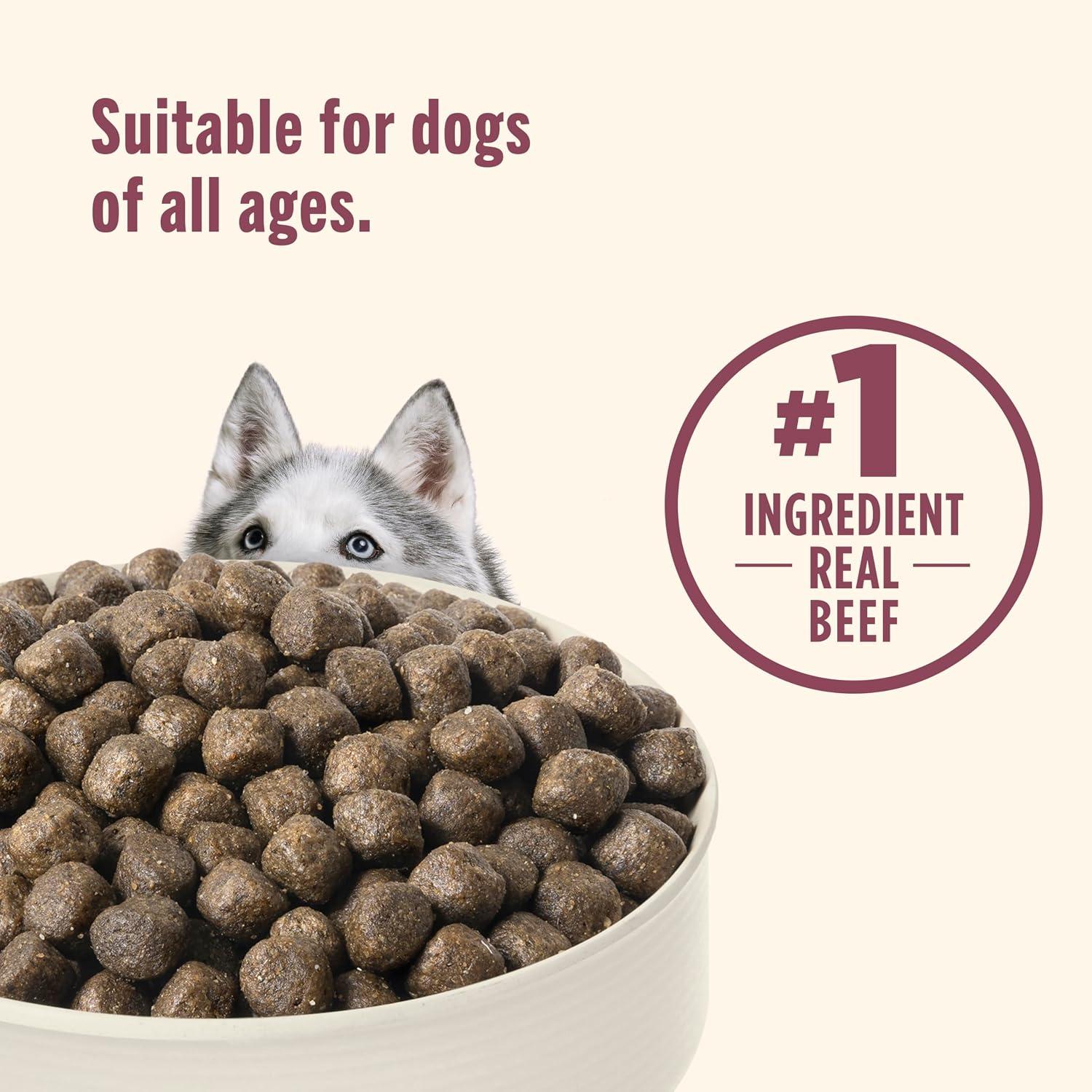
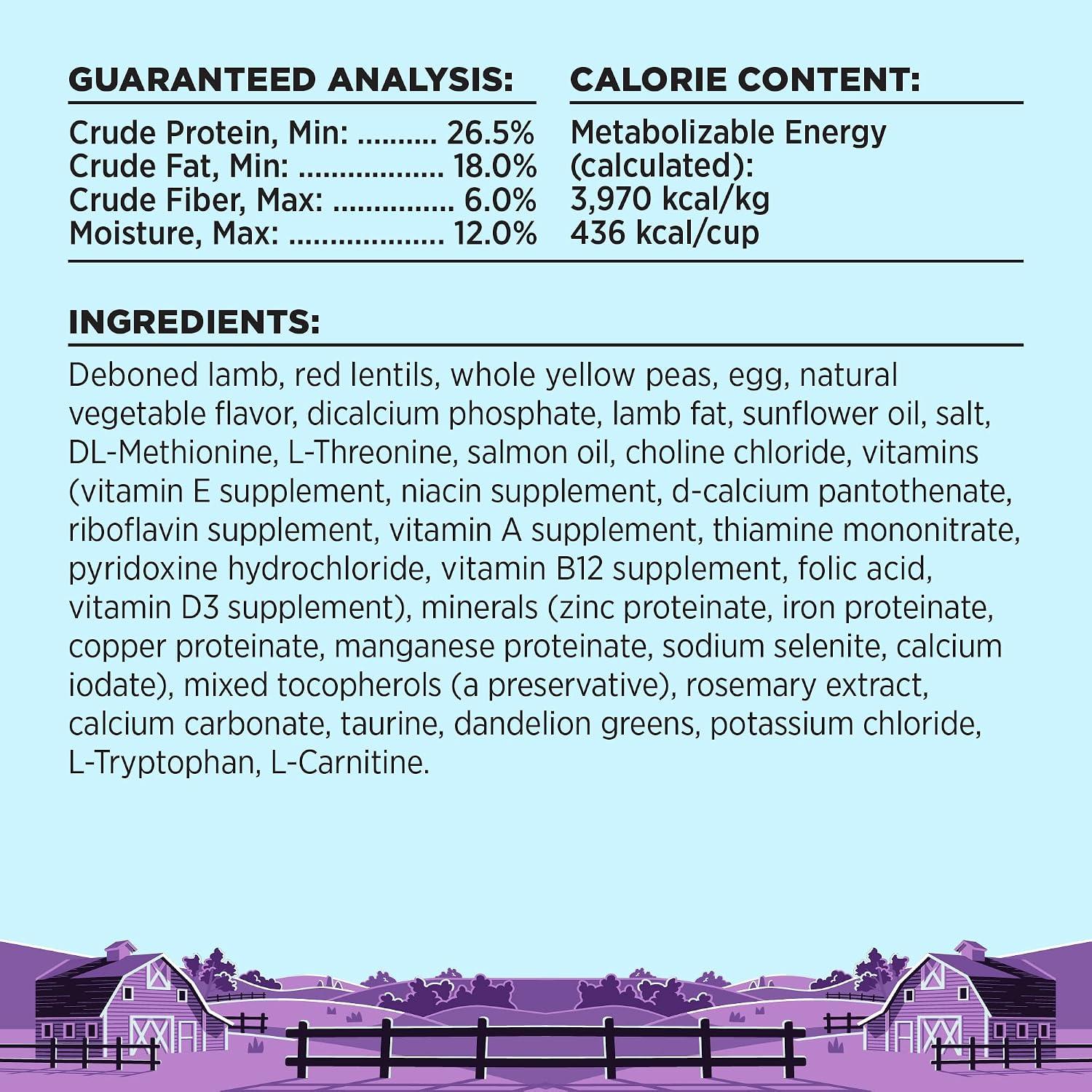
How to Introduce New Dog Food to Manage allergies
Switching to a new dog food designed to alleviate skin allergies should be done gradually to prevent digestive upset. Start by mixing 25% of the new food with 75% of your dog’s current food for the first 3-4 days. Then slowly increase the proportion of the new food over 7-10 days until your dog is eating 100% of the new formula. This transition period helps your dog’s digestive system adapt smoothly.
During this time, keep a close eye on your dog’s skin condition and overall behavior. Enhancement may take several weeks, so patience is key. If you notice worsening symptoms or any adverse reactions, consult your veterinarian as your dog might have additional sensitivities or require different treatments.
In addition to dietary changes, ensure your dog stays well-hydrated, maintains a proper grooming routine, and avoids known environmental allergens to maximize allergy relief. Combining dietary improvements with a holistic care approach frequently enough leads to the best results in managing skin allergies.
Frequently Asked questions
What causes skin allergies in dogs?
Skin allergies in dogs can be caused by environmental factors like pollen, flea bites, dust mites, or food sensitivities.Allergic reactions trigger inflammation, itching, and irritation on the skin, often leading to excessive scratching and secondary infections.
Can switching dog food help with my dog’s skin allergies?
Yes, switching to a dog food formulated for skin allergies can reduce exposure to common allergens and provide essential nutrients that promote skin healing. Limited ingredient diets and formulas rich in omega fatty acids are particularly effective in soothing irritated skin.
How long does it take to see improvement after changing my dog’s food?
Improvement in skin allergies typically takes anywhere from 4 to 12 weeks after switching to a hypoallergenic or limited ingredient diet. However, each dog is different, and some may require additional medical treatment or changes in their environment.
Conclusion
Managing your dog’s skin allergies through diet can greatly enhance their comfort and quality of life. By choosing high-quality, limited ingredient dog foods rich in omega fatty acids and avoiding common allergens, you can help soothe your pet’s irritated skin effectively. remember that patience and careful monitoring are essential during any dietary transition.
Always consult your veterinarian before making meaningful changes to your dog’s diet to ensure the best tailored approach to treating skin allergies. With the right nutrition and care, your dog can enjoy a happier, itch-free life.