Introduction
Dog shedding is a natural process that every pet owner experiences, regardless of their dog’s breed or size.While shedding helps your dog get rid of old or damaged fur, it can quickly turn your home into a sea of loose hairs if not managed properly. For many dog owners, controlling and dealing with shedding at home becomes an ongoing challenge that requires patience, consistency, and the right techniques.
In this comprehensive guide, we’ll explore effective and easy strategies you can implement at home to minimize your dog’s shedding, keep your living space clean, and maintain your pet‘s coat healthy and shiny. Whether you have a heavy shedder or a dog with less noticeable fur loss, these tips will help you manage shedding practically and effortlessly.
understanding the Cause of dog Shedding
Before diving into solutions, it’s important to understand why dogs shed in the first place. Shedding occurs as part of the natural hair growth cycle where old fur is replaced by new. Environmental factors such as seasonal changes,temperature,and daylight hours can influence the intensity of shedding,especially in double-coated breeds that shed more in spring and fall.
Additionally, diet, health conditions, allergies, and stress can impact the amount of shedding. If your dog suddenly starts shedding excessively or has bald patches, it’s an excellent idea to consult a veterinarian to rule out any underlying issues. Knowing what causes shedding in your dog will empower you to apply the best practices to reduce it effectively.
Practical Grooming Techniques to Reduce Shedding
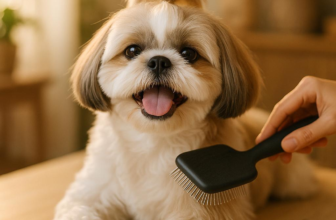
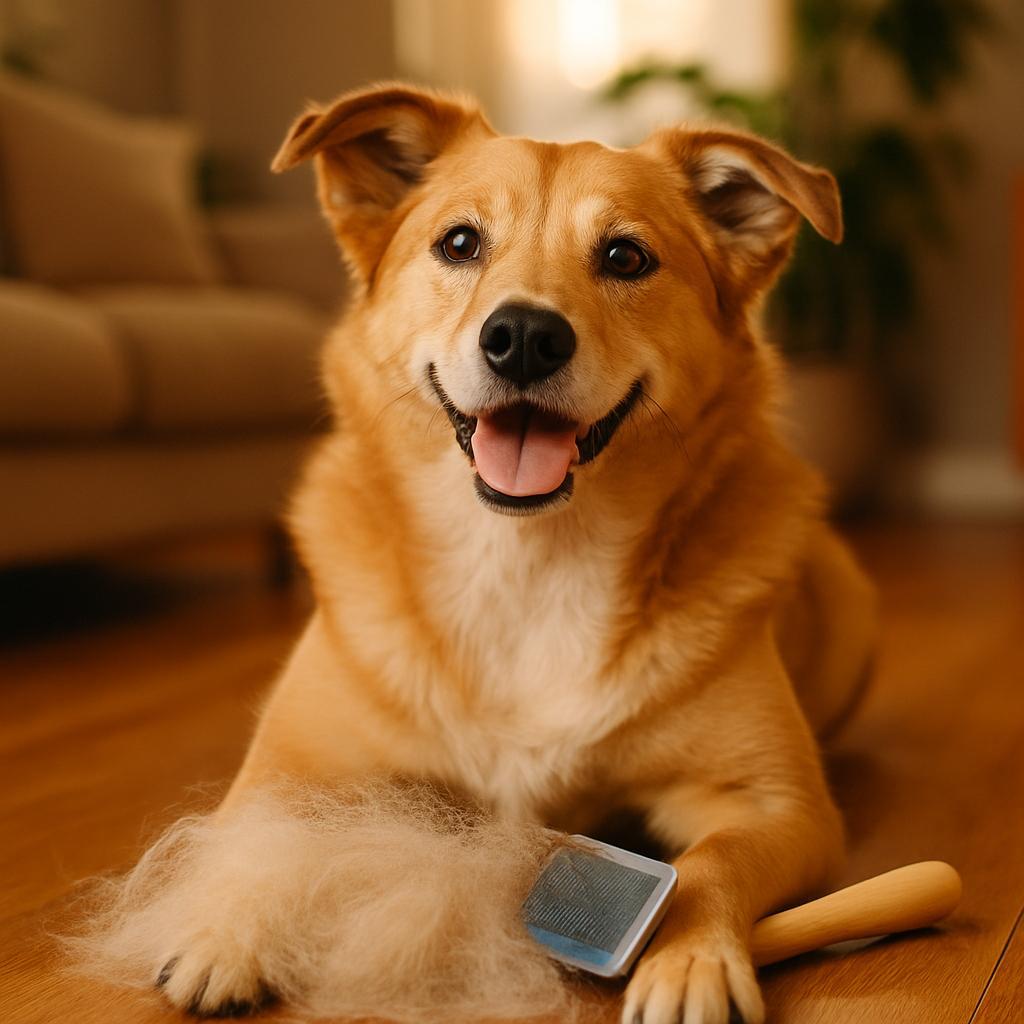
Regular grooming is the most effective way to control shedding at home. Brushing your dog frequently helps remove loose fur before it falls around your house, stimulates skin oils, and promotes a healthy coat. Depending on your dog’s coat type-short,long,curly,or double-coated-you’ll need specific brushes such as slicker brushes,deshedding tools,or grooming gloves that work best for your pet.
Bathing your dog with a quality shampoo designed to reduce shedding can also help loosen dead hair and clean the skin. Combining brushing with baths enhances results, but avoid over-bathing as it can dry out your dog’s skin. Lastly, pay attention to trimming matted fur and keeping nails at a healthy length as these factors can impact your dog’s comfort and grooming success.
Diet and Health Tips for Managing Dog Shedding
A healthy diet is crucial in managing dog shedding. Ensuring your dog receives the right nutrients, especially omega-3 and omega-6 fatty acids, helps improve coat quality and reduce hair loss. High-quality commercial dog foods fortified with essential vitamins and minerals support skin health and promote a shiny, strong coat.
hydration is equally important as dry skin often leads to increased shedding and flaking. Always provide fresh, clean water for your dog and consider supplements like fish oil if recommended by your vet. Lastly, regular veterinary checkups can detect skin conditions, allergies, or parasites that might cause excessive shedding, allowing timely treatment.
Our Top Product Recommendations



Maintaining a Clean Home Despite Dog Shedding
Even with the best grooming routines,some shedding is unavoidable,so it’s important to maintain a clean living space with minimal effort. Investing in tools like lint rollers,pet hair vacuum cleaners,and washable furniture covers can definitely help you manage stray hair quickly and efficiently. Vacuum your floors and upholstery regularly, ideally with a vacuum designed for pet hair removal, to keep shedding under control.
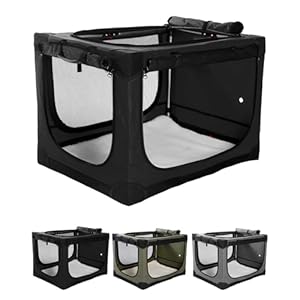
Designate specific dog-kind areas in your home such as beds,blankets,or crates where fur can be concentrated and cleaned easier. Regular washing of your dog’s bedding and frequent cleaning of their favorite spots will also prevent hair buildup and reduce allergens in your home. With small daily habits and the right cleaning supplies,you can reduce the impact of shedding on your living surroundings.
Frequently Asked Questions
Why is my dog shedding more than usual?
Excessive shedding can be caused by seasonal changes, stress, poor diet, allergies, skin infections, or underlying health issues. If your dog’s shedding seems abnormal or is accompanied by bald spots and itching, it’s best to visit a veterinarian for a thorough evaluation.
How often should I brush my dog to reduce shedding?
Most dogs benefit from brushing at least 2-3 times a week, but heavy shedders or long-haired breeds may require daily brushing. Regular brushing removes loose fur, distributes natural oils, and promotes healthy skin and coat.
Can diet really affect my dog’s shedding?
Yes, a nutritious diet rich in omega fatty acids and vitamins significantly impacts coat health and can reduce shedding. Supplements such as fish oil can improve skin condition and reduce hair loss when combined with a balanced diet.
Conclusion
Dealing with dog shedding at home doesn’t have to be overwhelming. By understanding the causes, maintaining a consistent grooming routine, feeding your dog a healthy diet, and keeping your home clean, you can manage shedding effectively and enjoy a fur-minimized environment.It’s all about finding the right balance and tools that fit your lifestyle and your pet’s needs.
Remember, a well-groomed dog is a happier and healthier companion. With patience and these easy strategies, you can turn shedding season into just another opportunity to bond with your furry friend while keeping your home tidy.