Introduction
As our beloved dogs enter their golden years,their nutritional needs begin to change significantly. Just like humans, older dogs require a diet tailored to support their aging bodies, maintaining their health, vitality, and quality of life. Choosing the best dog food for older dogs helps address common concerns such as joint support, weight control, decreased metabolism, and the maintainance of a strong immune system.
Understanding what constitutes the best nutrition for senior dogs can be overwhelming with so many options available.This complete guide will walk you through vital considerations, including key nutrients and ingredient quality, to help you pick the ideal dog food that keeps your furry friend happy and healthy well into their later years.
Key Nutritional Needs for older Dogs
When dogs age, their metabolism slows down, their activity levels typically decrease, and they become more prone to certain health issues such as arthritis, dental problems, and digestive sensitivities. Because of these changes, senior dogs need diets with appropriate calorie levels, easier-to-digest ingredients, and added supplements that support healthy aging.
Key nutrients for older dogs include controlled protein levels to maintain muscle mass without strain on the kidneys, moderate fat content for energy without excessive calories, and enhanced fiber for proper digestion.Additionally,ingredients rich in omega-3 fatty acids help reduce inflammation and support cognitive function.
Vitamins and antioxidants such as Vitamin E, Vitamin C, and beta-carotene also play a vital role. these nutrients bolster the immune system, combat free radicals, and help slow down cellular aging, which makes including antioxidant-rich dog foods important for senior dogs.
How to Choose the Best Dog Food for Older Dogs
When selecting dog food for your aging companion, always look for options labeled specifically for “senior” or “mature” dogs. These formulations are designed keeping an older dog’s dietary needs in mind. High-quality commercial senior dog foods balance calories and provide joint-supporting additives like glucosamine and chondroitin.
Pay close attention to the ingredient list and nutritional content. Avoid foods with excessive fillers, artificial preservatives, colors, or flavors. Whole-food ingredients such as real meat, vegetables, and wholesome grains contribute to healthier digestion and better nutrient absorption.
It’s also helpful to consult your veterinarian, especially if your dog has specific health concerns like kidney problems or allergies. A vet can recommend specialized diets or supplements that complement your chosen dog food and ensure your senior dog’s unique health needs are met.
Our Top Product Recommendations
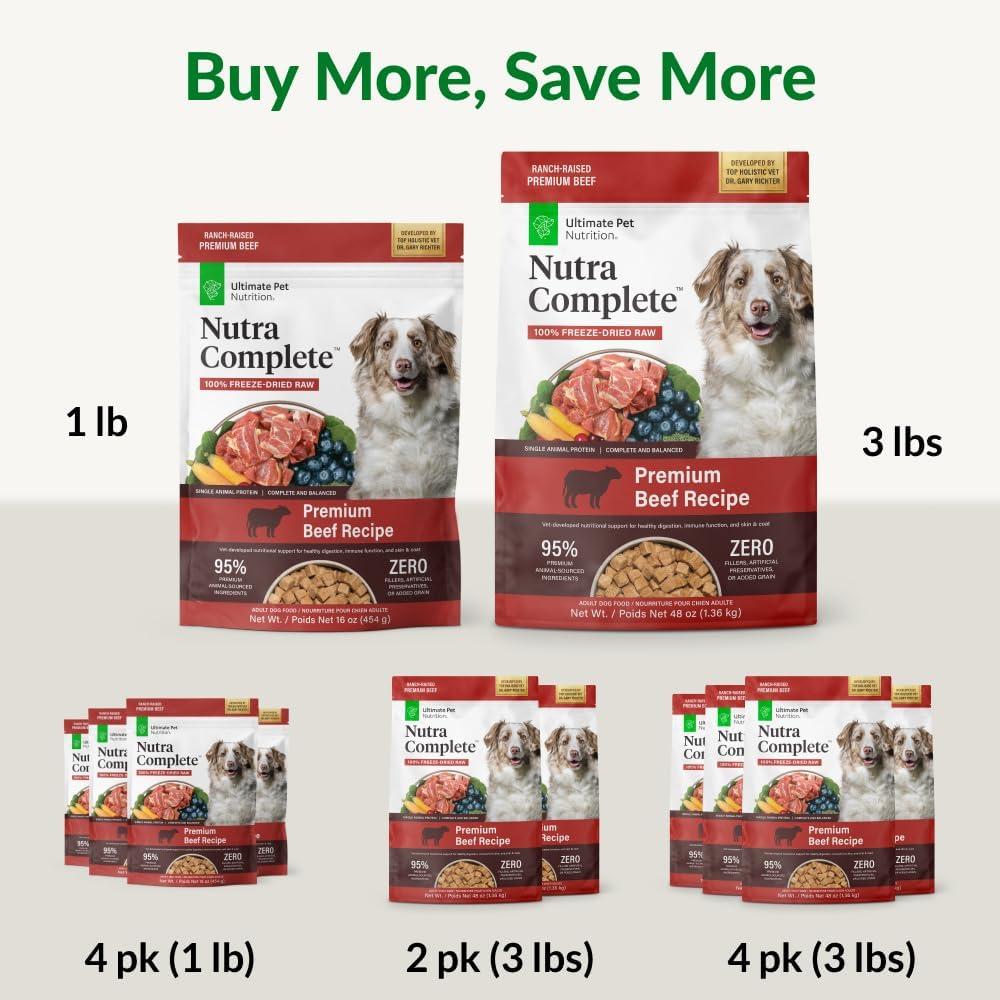
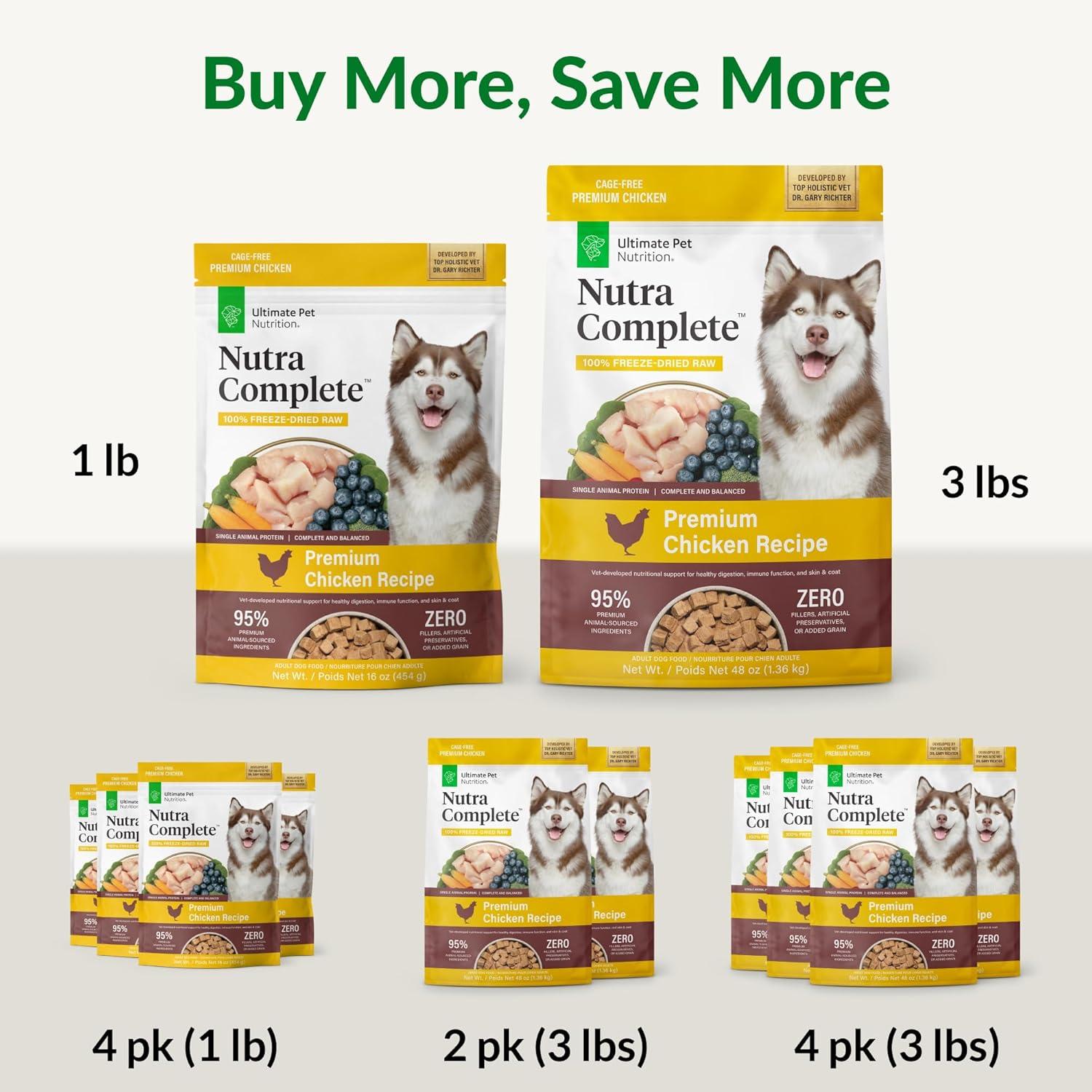
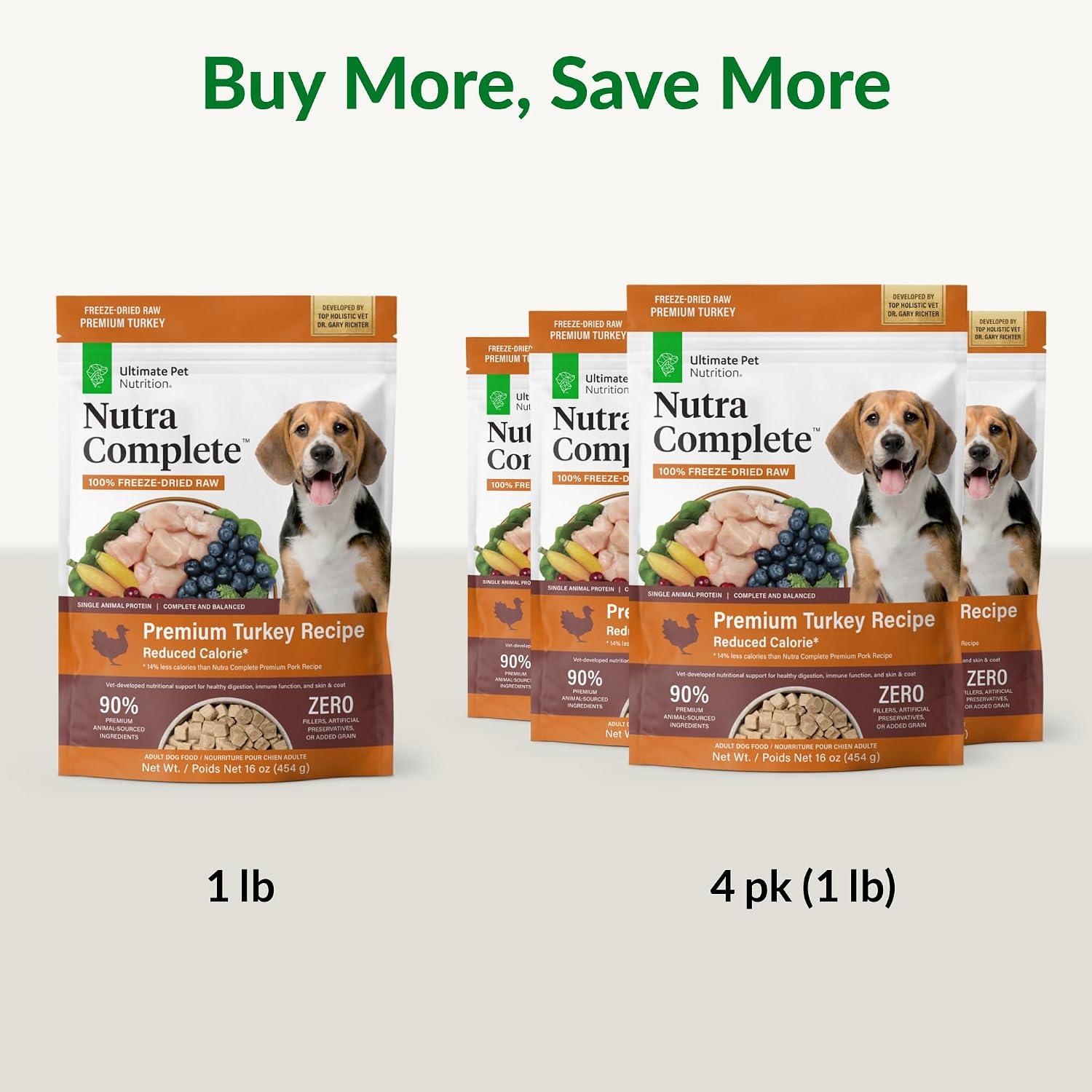
Special Considerations for Senior Dog Diets
Older dogs often develop food sensitivities or allergies, so it’s important to monitor how they respond to any new diet. Limited ingredient diets or foods with novel protein sources like turkey or duck can help reduce allergy symptoms. when switching foods, a gradual transition over 7 to 10 days helps prevent digestive upset.
Portion control is another critical factor. Aging dogs tend to be less active, which increases the risk of obesity if calorie intake is not managed. Obesity exacerbates joint pain and othre health problems, so choosing foods with reduced calories but high nutrition density helps maintain a healthy weight and energy.
hydration is also key in senior dog health. While food plays a major role, ensuring your dog drinks enough water supports kidney function and overall well-being. Wet or freeze-dried foods can definitely help increase fluid intake for dogs who are not avid water drinkers.
Frequently Asked Questions
What ingredients should I avoid in dog food for older dogs?
Avoid dog foods with excessive fillers like corn and soy, as well as artificial preservatives, colors, and flavors. Ingredients that are hard to digest or that may cause allergic reactions should also be avoided. Focus on high-quality protein and whole-food ingredients to meet the specific needs of senior dogs.
How frequently enough should I feed my senior dog?
Moast senior dogs do well with two smaller meals per day rather than one large meal. This can help with digestion and reduce the risk of obesity. However, always tailor feeding schedules to your dog’s specific health needs and activity level, and consult your veterinarian for personalized advice.
Can supplements replace senior dog food?
while supplements such as glucosamine for joint support or omega-3 fatty acids for coat health are beneficial, they cannot replace a balanced diet. Proper senior dog food provides a well-rounded profile of nutrients needed for overall health.Supplements should be used as complementary support and only under veterinary guidance.
Conclusion
providing the best dog food for your older dog is a powerful way to support their health, comfort, and vitality during their senior years.By choosing nutrient-rich, veterinarian-formulated foods designed specifically for aging dogs, you help ensure they enjoy their golden years with strength and happiness.
Always consider your dog’s unique needs, preferences, and any health concerns when selecting a diet, and work closely with your veterinarian to make informed decisions. With the right nutrition, your older dog can continue to be a loyal and joyful companion for many years to come.