
Introduction
As a loving dog owner, nothing is more important than keeping your furry friend happy and healthy. One crucial aspect of your dog‘s overall well-being is maintaining a balanced digestive system. Just like humans,dogs benefit greatly from probiotics,which help support their gut health and improve digestion. Incorporating the best probiotics for dogs into your pet‘s diet can prevent digestive issues, boost immunity, and enhance nutrient absorption.
In this extensive guide, we will explore the top probiotics specifically formulated for dogs, explain their benefits, and provide expert tips on how to choose the right product for your canine companion. Whether your dog suffers from occasional upset stomachs or you want to give their digestive system a daily boost, these probiotic supplements can make a meaningful difference in their health.
Why Probiotics Are Essential for Your Dog’s Digestive Health
Probiotics are live beneficial bacteria that help maintain the natural balance of microorganisms in your dog’s digestive tract. A healthy gut flora is vital to effective digestion, nutrient absorption, and even immune system response. Factors such as stress, poor diet, antibiotics, or illness can disrupt this balance, leading to digestive discomfort, diarrhea, or more chronic gastrointestinal issues.
Supplementing your dog’s diet with high-quality probiotics can help restore and maintain a healthy gut microbiome. These good bacteria compete against harmful pathogens, support the lining of the intestines, and reduce inflammation. By promoting better digestion and immune support, probiotics contribute to your dog’s overall vitality and happiness.
Key Features to Look For in the Best Dog Probiotics
Choosing the right probiotic supplement for your dog can be challenging given the numerous options available. To ensure you pick an effective product, pay attention to several critically important features. First, the probiotic should contain multiple strains of beneficial bacteria such as Lactobacillus, bifidobacterium, or Enterococcus that are proven safe and effective for dogs.
Next, consider the potency or CFU count (colony-forming units) which indicates the number of live bacteria per serving. A higher CFU ensures your dog receives enough beneficial microbes to make a difference.Additionally, the product should be specifically formulated for dogs, tested for quality, and free from harmful additives or fillers. Palatability is also essential - chewable tablets or powders that mix into food make administration easy and stress-free for both you and your pet.
Our Top Product Recommendations
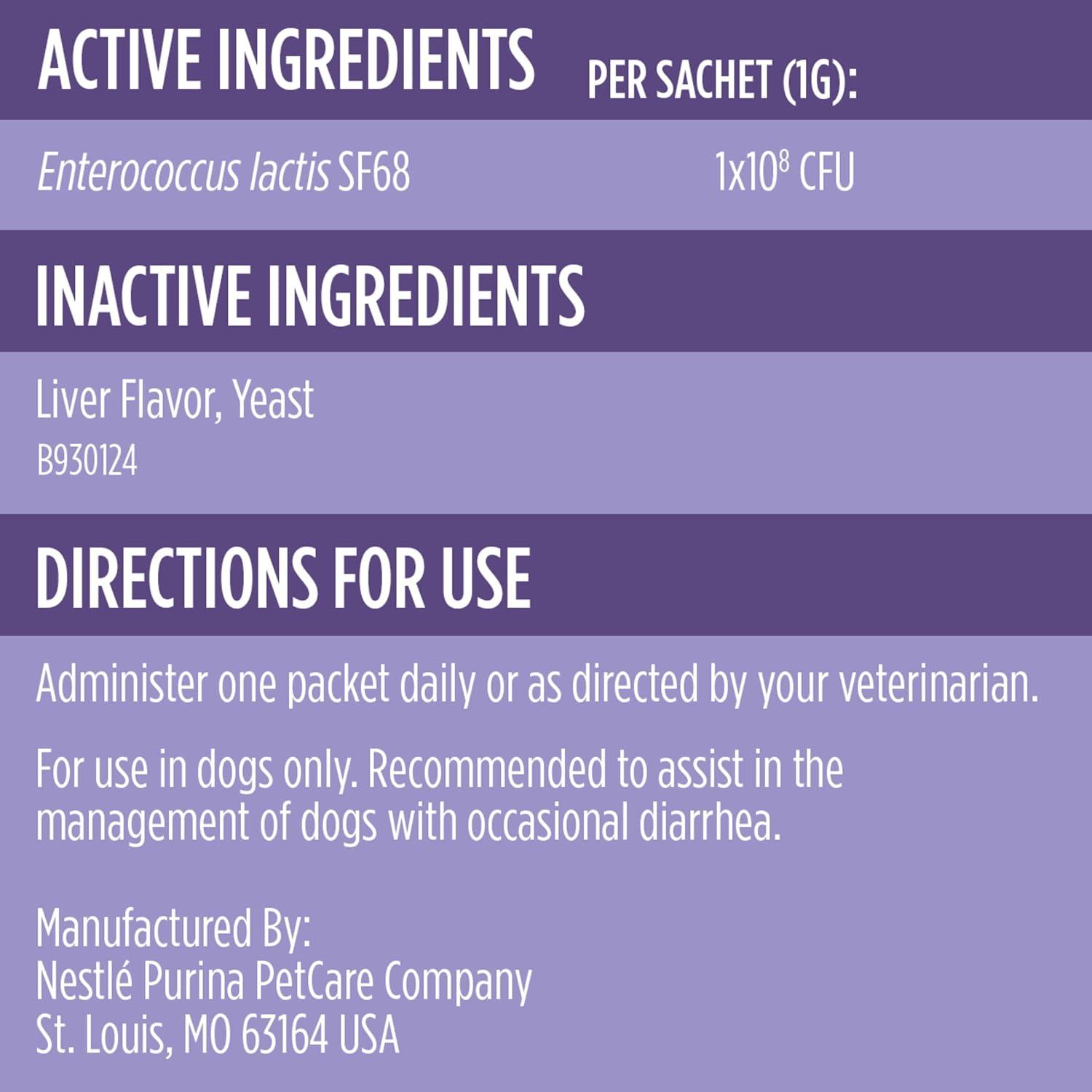

How to Incorporate Probiotics Into Your dog’s Routine
Introducing probiotics to your canine’s diet can be simple and hassle-free. Most probiotic supplements are designed to mix easily with your dog’s regular food, either as a powder sprinkled on top or as chewable treats. Consistency is key – daily supplementation helps maintain a steady supply of beneficial bacteria to support ongoing gut health.
Before adding any new supplement, it’s always best to consult with your veterinarian, especially if your dog has special dietary needs or health concerns. Your vet can also help determine the appropriate dosage and duration for probiotic use. For dogs experiencing digestive upset, probiotics can be administered alongside other treatments for quicker recovery.
Additionally, pairing probiotics with a well-balanced diet rich in fiber supports a healthy gut environment. Avoid sudden changes in diet to prevent triggering digestive disturbances and always provide plenty of fresh water to enhance digestion and hydration.
Frequently Asked Questions
Are probiotics safe for all dogs?
yes, probiotics are generally safe for all dogs, including puppies and senior dogs. However, it’s important to choose formulations specifically made for dogs and follow dosing instructions carefully. Always consult your veterinarian if your dog has a compromised immune system or existing health conditions.
How long does it take for probiotics to work in dogs?
Many dog owners notice improvements in digestion and stool quality within a few days to a week of starting probiotics. For chronic digestive issues, it may take several weeks of consistent use to see significant benefits. Long-term use is often recommended for maintaining digestive health.
Can probiotics help with my dog’s diarrhea?
Yes, probiotics are effective at managing occasional diarrhea by restoring the natural gut flora and reducing harmful bacteria that cause upset stomachs. For persistent or severe diarrhea,always consult your veterinarian as probiotics can be part of a broader treatment plan.
Conclusion
Maintaining your dog’s digestive health is basic to their overall happiness and longevity. The best probiotics for dogs serve as a powerful tool to support a balanced gut microbiome, improve nutrient absorption, and boost immune function. By carefully selecting high-quality probiotic supplements and incorporating them into your pet’s daily routine, you can help prevent digestive troubles and keep your furry friend vibrant and full of energy.
Remember, every dog is unique, so working closely with your veterinarian to tailor probiotic use to your pet’s specific needs is the best way to ensure optimal results.With the right probiotic support, your dog will enjoy a healthier digestive system and a happier life by your side.