
introduction
Teaching your dog to lie down on command is one of the fundamental skills that every dog owner should master. Not only does this command help establish discipline and interaction between you and your furry friend, but it also paves the way for more advanced training commands. A well-trained dog that responds quickly to the lie down command can remain calm in hectic situations, making outings and daily life more enjoyable for both of you.
In this comprehensive guide, we’ll walk you through proven steps to teach your dog to lie down fast and effectively. Whether you have a puppy or an older dog, the techniques we discuss are tailored to build trust, reinforce positive behavior, and help your canine companion grasp this crucial command with ease.
Understanding Why Teaching ‘Lie Down’ Is Important
The “lie down” command is more than just a cute trick; it is a highly practical tool for managing your dog’s behavior in various situations. Such as, teaching your dog to lie down can calm them during vet visits, help them wait patiently during meals, or prevent unwanted jumping on guests. this command also enhances your dog’s ability to focus and obey, which is essential for safety and smooth interactions.
Before beginning training, it’s essential to understand your dog’s motivation.Dogs are driven mainly by food, praise, or play. Identifying which rewards work best for your dog will ensure a smoother training process and faster command recognition. Consistency,patience,and positive reinforcement are key ingredients in successful training.
Step-by-Step Guide: how to Teach Your Dog to Lie Down
Start by choosing a quiet, distraction-free environment to keep your dog focused. Begin with your dog in a sitting position, as this is the easiest starting point for teaching the lie down command. Hold a delicious treat close to your dog’s nose to get their attention, then slowly move the treat down to the ground in front of them, encouraging them to follow it with their nose and lower their body.
As soon as your dog lies down, instantly reward them with the treat and verbal praise, like “Good lie down!” Repeating this sequence several times in short sessions helps your dog make the connection between the action and the reward. Avoid rushing the process; patience is crucial for solid learning without frustration.
Once your dog begins to consistently lie down after following the treat, introduce the verbal cue “Lie down” or “Down.” Say the command just before you present the treat, so your dog associates the phrase with the action. Gradually reduce the use of the treat as a lure and instead reward only when the command is obeyed. Practice in different areas to generalize the behavior in various settings.
Common Challenges When Teaching ‘Lie Down’ and How to Overcome Them
Not all dogs pick up the lie down command immediately. Some may be reluctant due to discomfort, lack of focus, or excitement. If your dog resists, remain calm and avoid repeating commands too rapidly, which can confuse them. Instead, make sure the dog is comfortable and lower your expectations temporarily if needed.
If your dog sits rather of lying down, don’t punish them. Simply withhold the treat and gently guide them by lowering the treat more slowly or adjusting the angle to encourage a full lie down. Consistent repetition and positive reinforcement work wonders to help your dog understand what is expected.
additionally, some dogs may lie down but not stay in that position. To address this, practice increasing the duration your dog holds the lie down before receiving a reward. This incremental approach strengthens their self-control and reliability in obeying the command.
our Top Product Recommendations

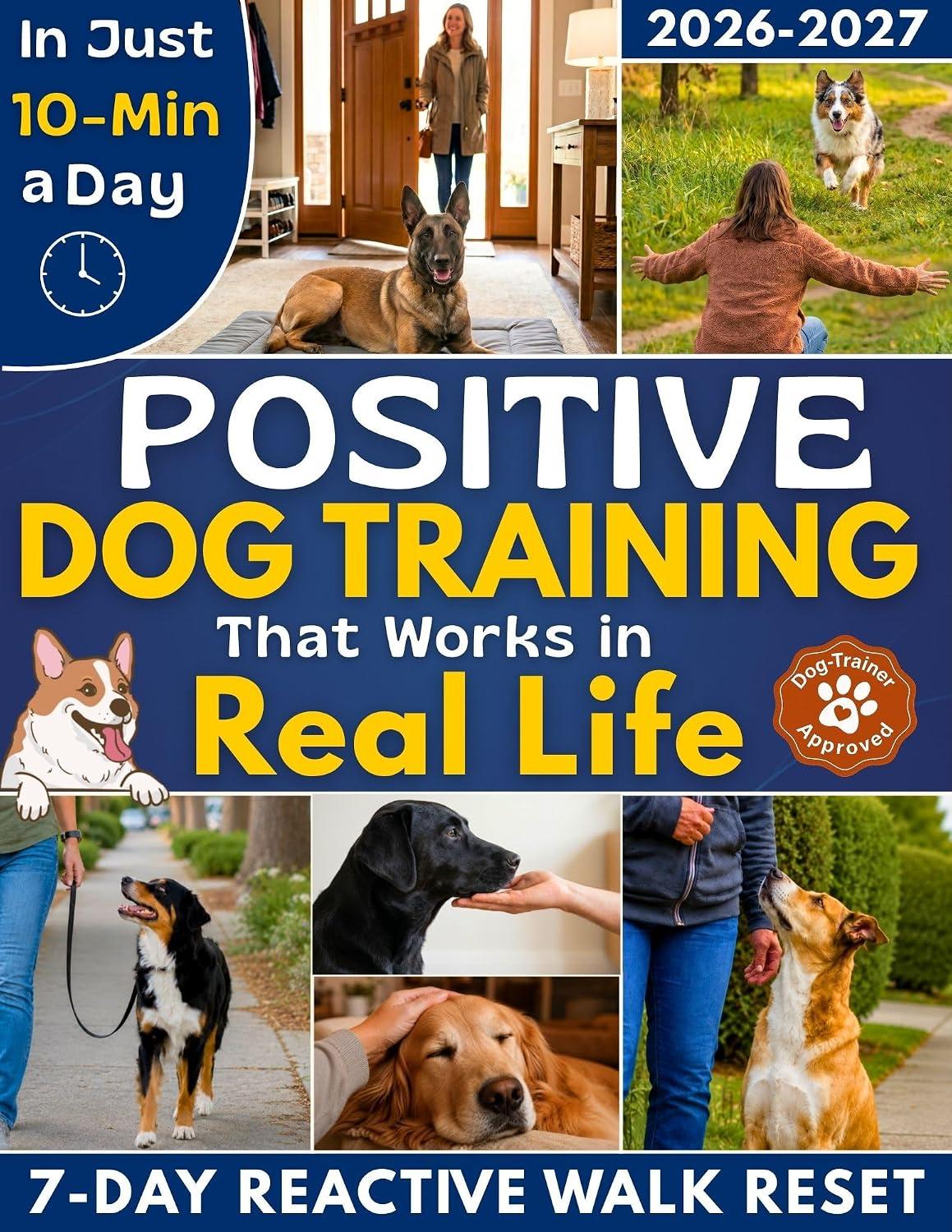
Tips to Maintain and Strengthen the Lie Down Command
Once your dog reliably responds to the lie down command, it is important to maintain the behavior through regular short training sessions. This helps reinforce the command and prevents your dog from forgetting it. Vary the location were you practice to ensure your dog understands that “lie down” means the same thing whether at home, in the park, or at a friend’s house.
Incorporate the lie down command into daily routines. You can ask your dog to lie down before mealtime, during play breaks, or when guests arrive. This integration assists in making the behavior a natural part of your dog’s life and improves obedience overall.
For continued training success, always use positive reinforcement. Avoid shouting or punishment if your dog hesitates or does not obey immediately. Remember that training is a journey for both you and your dog, filled with moments of patience and party.
Frequently Asked Questions
How long does it usually take to teach a dog to lie down?
The time it takes varies based on your dog’s age, temperament, and prior training experience. Some dogs may learn the command within a few days of consistent training, while others might take several weeks. Patience and regular practice are the keys to success.
What if my dog doesn’t wont to lie down?
If your dog resists lying down, ensure ther are no physical discomforts causing this reluctance. Try using higher-value treats or different rewards like favorite toys. Breaking down the command into smaller steps and rewarding incremental progress can also help.
Can I teach my dog to lie down without treats?
Yes! While treats are a great motivator, you can also use praise, petting, or playtime as rewards. The critically important part is that your dog understands the command and receives positive reinforcement, whatever form that takes for your dog.
Conclusion
Teaching your dog to lie down fast and effectively is achievable with the right techniques and patience. It not only enhances obedience but also strengthens the bond between you and your pet. By using consistent, positive training methods and rewarding your dog enthusiastically, you’ll soon enjoy a calm, responsive companion who listens to your commands.
Remember that every dog learns at their own pace, so be patient and celebrate small victories along the way. with dedication and love, the lie down command will become a valuable tool in your dog’s training repertoire.