Introduction
If you are a dog owner, you know that ticks can be a major nuisance and a serious health risk for yoru furry friend. These tiny parasites latch onto your dogS skin and feed on their blood, potentially transmitting risky diseases such as Lyme disease, ehrlichiosis, and anaplasmosis. Knowing how to remove a tick from your dog safely and effectively is crucial to protecting their health and well-being.
In this step-by-step guide, we’ll walk you through the safest techniques to remove ticks from your dog, what tools you should use, and vital precautions to take. Whether you just discovered a tick or want to prevent future infestations,this comprehensive article is designed to help pet owners act confidently and calmly when dealing with ticks.
Preparing to Remove a Tick From Your Dog
The first step to safe tick removal is planning. It’s important to create a calm and controlled environment for you and your dog,as you’ll be handling a potentially sensitive area. Gather all necessary tools before you start so you can remove the tick swiftly and efficiently.
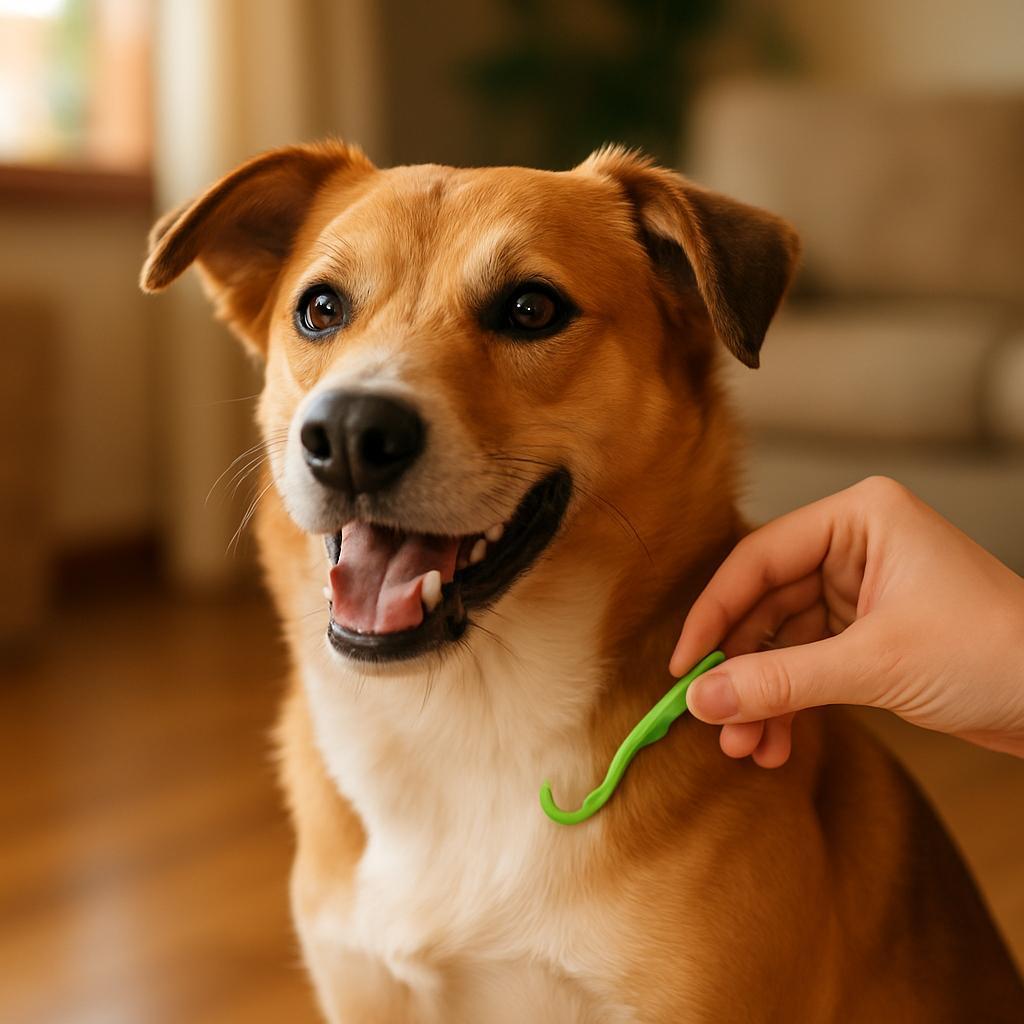
You will need a pair of fine-tipped tweezers or a specially designed tick removal tool, gloves to protect your hands, antiseptic wipes or rubbing alcohol, and a sealable container or plastic bag to dispose of the tick. Having these ready will ensure you can remove the tick with minimal stress to your dog and reduce the risk of leaving parts of the tick embedded in the skin.
Step-by-Step Guide to Safely Remove a Tick From Your Dog
Once you have your tools and your dog is comfortable, follow these steps carefully. First, part your dog’s fur to expose the tick. It’s best to work under good lighting to see the tick clearly. Put on your gloves before you touch the tick or your dog’s skin.
Using fine-tipped tweezers or a tick removal tool, grasp the tick as close to your dog’s skin as possible. This means grabbing the tick by the head or mouthparts just where it enters the skin,not the body. Pull upward with steady, even pressure – avoid twisting or jerking the tick, as this can cause mouthparts to break off and remain embedded.
After removing the tick, place it in the container or plastic bag, seal it, and dispose of it safely. Thoroughly clean the bite area on your dog’s skin with antiseptic or rubbing alcohol to prevent infection. Wash your hands and disinfect your tweezers or tick removal tool after use. Monitor the bite site over the next few days for any signs of redness, swelling, or discomfort.
Our Top Product Recommendations

Preventing future Tick Infestations on Your Dog
Prevention is always better than cure, especially when it comes to ticks and your dog’s health. There are several effective ways to keep ticks off your dog and protect them from infestations. Regular grooming and checking your dog thoroughly after outdoor activities, especially if you frequent wooded or grassy areas, is one of the easiest ways to catch ticks early.
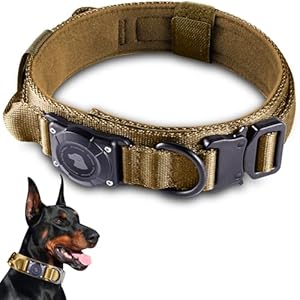
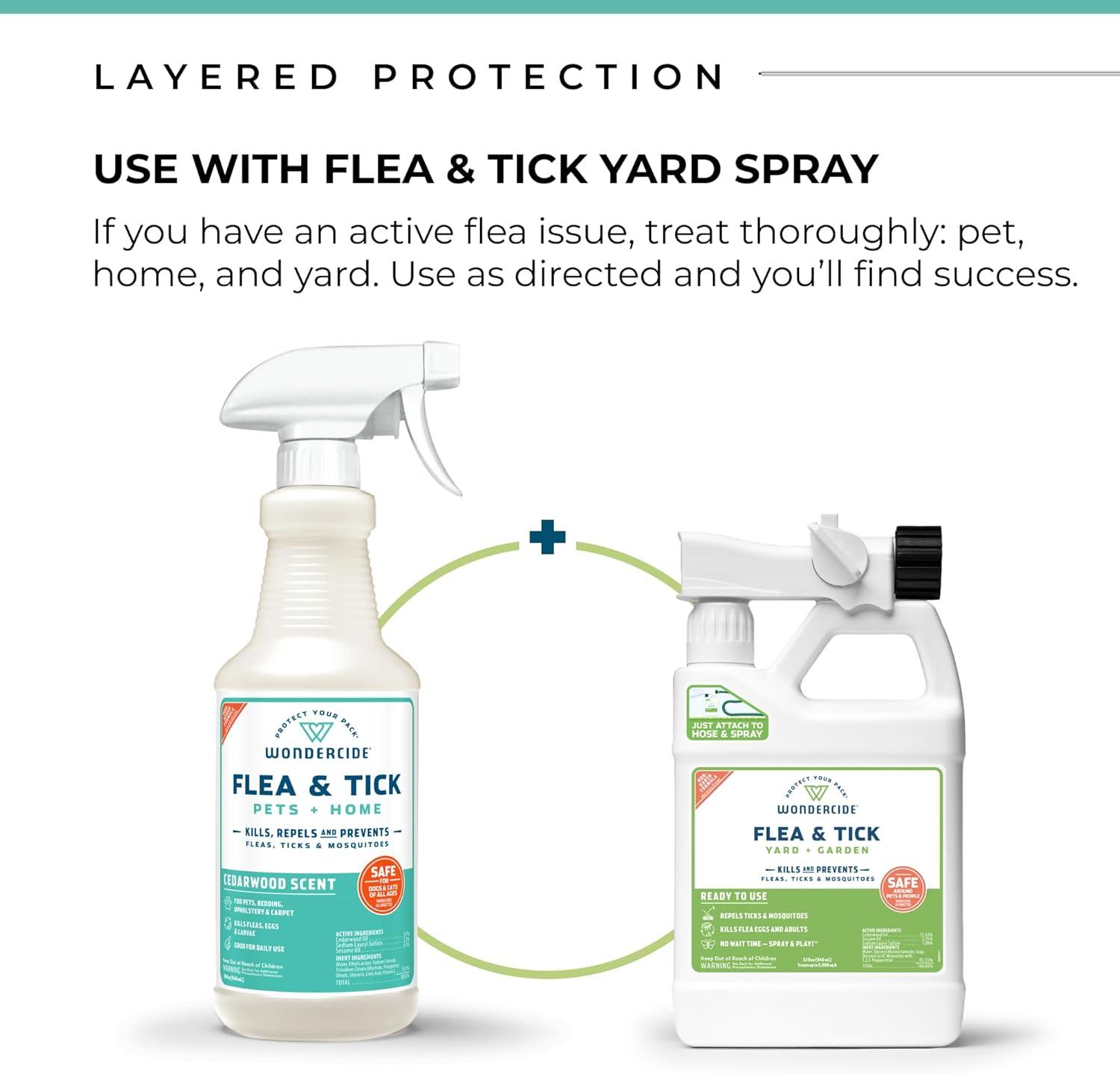
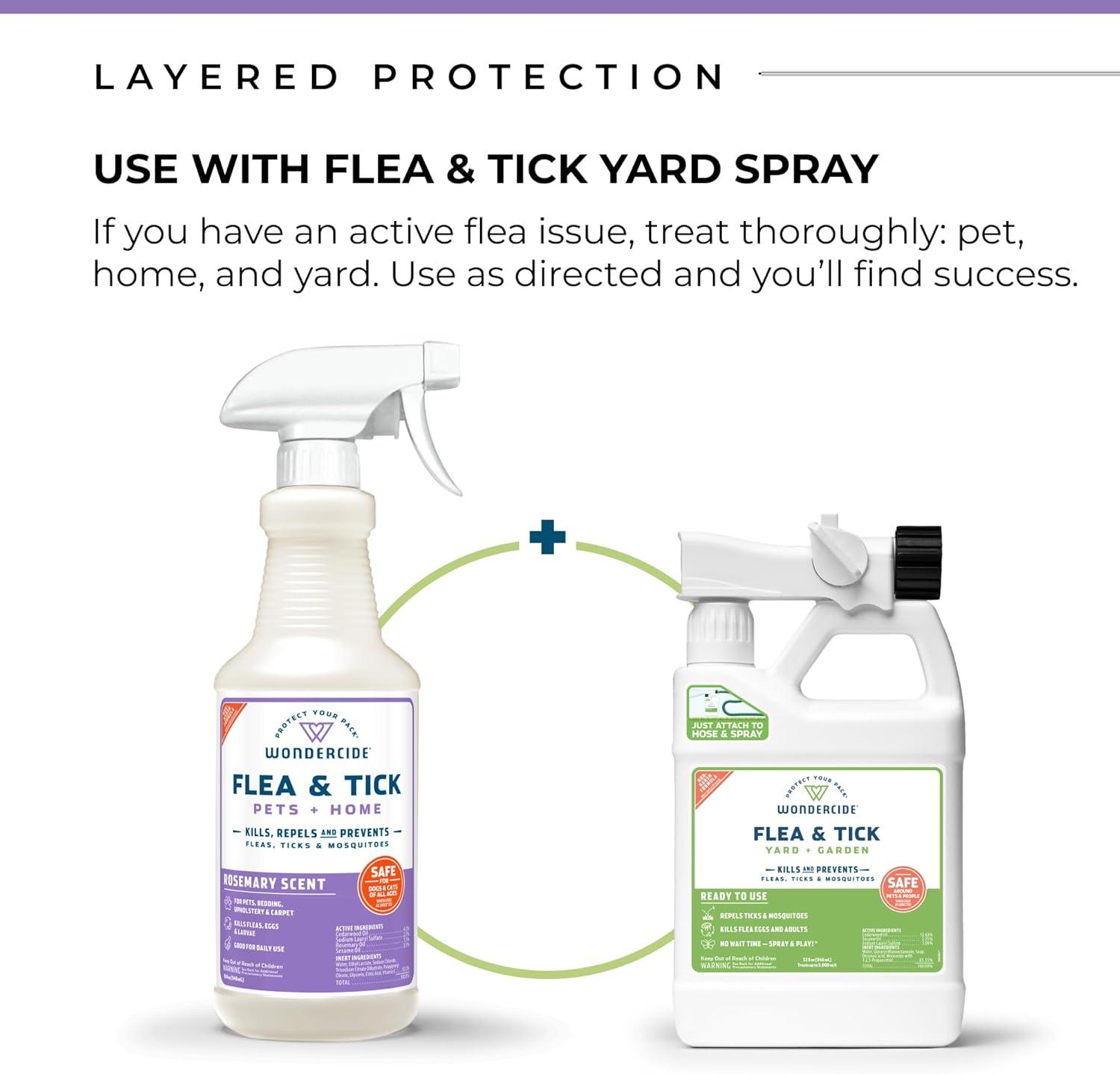
Using veterinarian-recommended tick preventatives annually or seasonally based on your region’s risk level is another smart step. Products include topical treatments, oral medications, collars, and sprays that repel or kill ticks. Additionally, treating your yard and home environment can significantly reduce tick populations, making it safer for your dog to roam outside.
Consult your vet about the best preventative methods tailored to your dog’s lifestyle and health status, especially if your dog is very young, old, or has underlying health issues.
Frequently Asked Questions
How quickly do I need to remove a tick from my dog?
ticks can transmit diseases after they’ve been attached for 24 to 48 hours, so it is best to remove ticks as soon as you discover them. Regular checks, especially after your dog has been outside, help ensure swift removal.
Can I use household items like petroleum jelly or heat to remove a tick?
No, these methods are not recommended.Applying substances like petroleum jelly, nail polish, or heat can irritate the tick, causing it to regurgitate harmful bacteria into your dog. The safest method is using fine-tipped tweezers or a tick remover to pull the tick out carefully.
What signs indicate that my dog might be sick from a tick bite?
Symptoms of tick-borne illnesses include fever, lethargy, loss of appetite, swollen joints, limping, and unusual behaviour. If you notice any of these signs after removing a tick, contact your veterinarian instantly for evaluation and treatment.
Conclusion
Removing a tick from your dog safely is essential to prevent potential infections and keep your pet healthy. With the right tools and techniques, you can confidently handle tick removal at home while minimizing stress for your dog. remember to always clean the bite area and monitor your pet for any changes in health after a tick encounter.
Along with prompt removal, adopting preventive measures such as regular grooming, tick repellents, and environmental control will help protect your dog from the discomfort and dangers ticks pose. Stay vigilant, and your four-legged friend will thank you for it with many happy, tick-free adventures.