Introduction
finding a tick on your beloved dog can be stressful and concerning.These tiny parasites latch onto your pet’s skin and feed on thier blood, potentially transmitting harmful diseases such as Lyme disease, ehrlichiosis, and anaplasmosis. Prompt and proper removal of ticks is essential to protect your furry freind’s health and comfort.
In this comprehensive guide, we will walk you through the safest and most effective methods to remove ticks from your dog without causing harm. Whether you are a first-time dog owner or a seasoned pet parent, these step-by-step instructions and helpful tips will empower you to handle ticks confidently and protect your dog against future infestations.
Preparing to Remove a Tick from Your Dog Safely
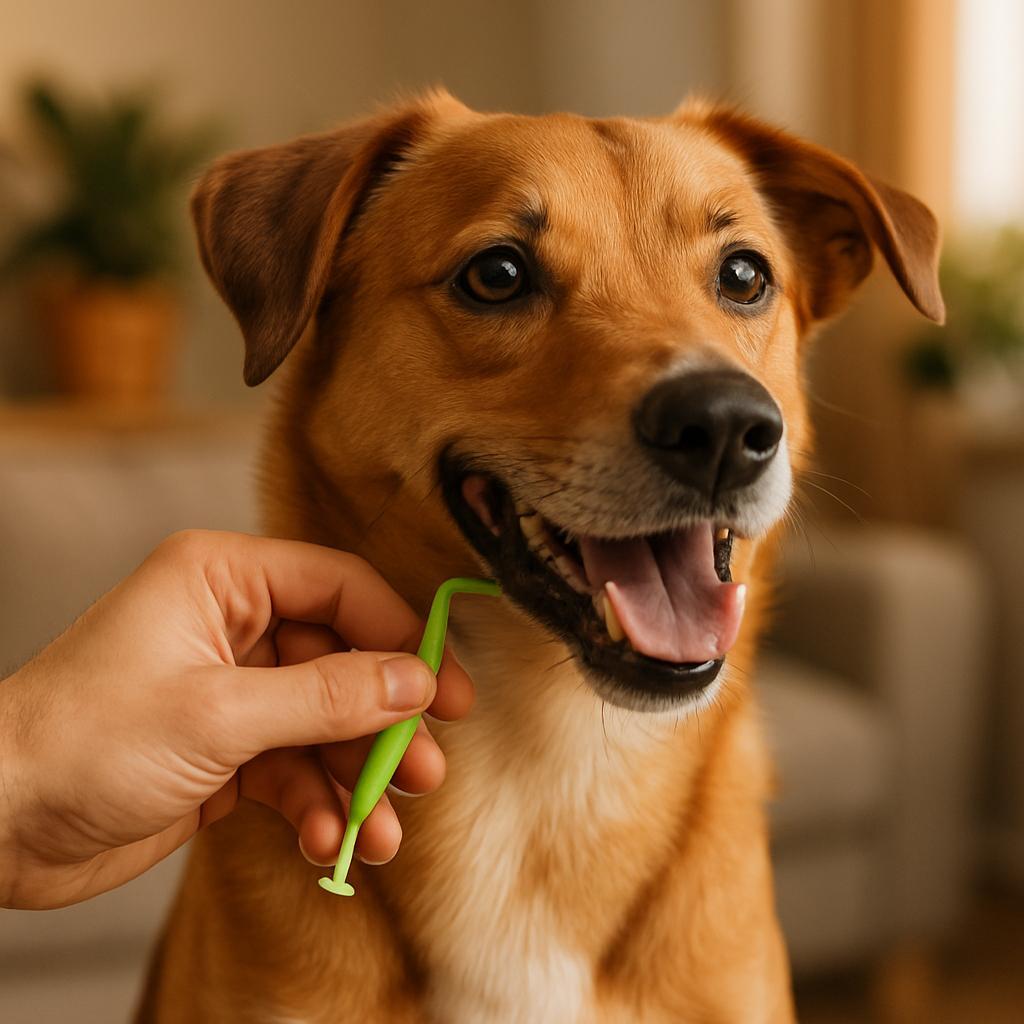
Before attempting to remove a tick, it’s important to gather the right tools and create a calm environment for your dog. The key tools you will need include a pair of fine-tipped tweezers or a specialized tick removal tool, rubbing alcohol, gloves to protect your skin, antiseptic wipes, and a small container or ziplock bag for the tick.
Start by placing your dog in a comfortable position where you can easily access the tick. If your dog is anxious or restless,consider enlisting someone to help hold your dog gently but firmly. Wearing gloves is essential because ticks can carry zoonotic diseases that can transmit to humans. Never use bare fingers to remove a tick, as this increases risk of contamination or incomplete removal.
Understanding how ticks embed themselves is also critical.A tick’s mouthparts may remain embedded in your dog’s skin if removed improperly, leading to infection or irritation. For this reason, grasping the tick as close to the skin’s surface as possible is important to ensure the entire tick is removed.
Step-by-Step Guide to Removing a Tick from Your Dog
To safely remove a tick from your dog, follow these systematic steps:
- Step 1: Use fine-tipped tweezers or a tick removal tool to grasp the tick firmly as close to your dog’s skin as possible. Avoid squeezing the tick’s body.
- Step 2: With slow, steady, and even pressure, pull the tick straight out from the skin. Do not twist or jerk, as this can cause the mouthparts to break off.
- Step 3: once removed, place the tick in a sealed container or ziplock bag. You may need to show it to your veterinarian or for testing if your dog shows symptoms later.
- Step 4: Clean the bite area and your hands thoroughly with rubbing alcohol, antiseptic, or soap and water to reduce risk of infection.
Never attempt to remove a tick by smothering it with petroleum jelly, nail polish, or heat. These old myths can irritate the tick and cause it to regurgitate harmful substances into your dog’s bloodstream. Always use the gentle, direct removal method described above.
Our Top Product Recommendations

Important Aftercare and Monitoring Your Dog Post-Tick Removal
After the tick is removed, taking proper care of your dog and monitoring for any signs of illness is crucial. The bite area might be slightly red or irritated; applying an antiseptic ointment can definitely help prevent infection. Watch closely for swelling, discharge, or prolonged redness, which may require veterinary attention.
Ticks can transmit a variety of diseases with incubation periods ranging from days to weeks. Keep an eye out for symptoms such as lethargy, loss of appetite, fever, limping, or unusual behavior in the weeks following removal. If you notice any of these signs, consult your veterinarian immediately. Remember to bring the removed tick if possible,as testing can assist in diagnosis and treatment.
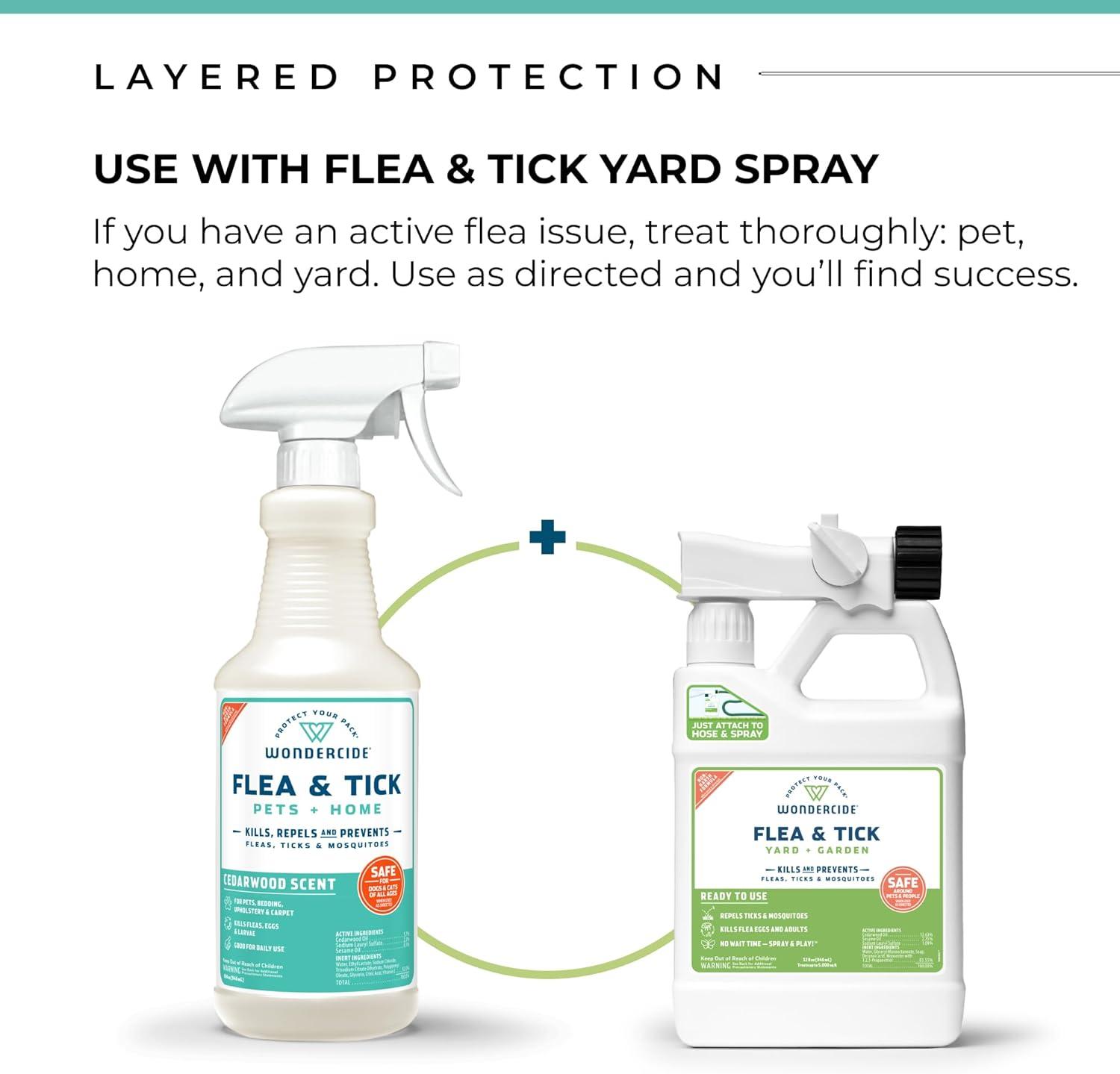
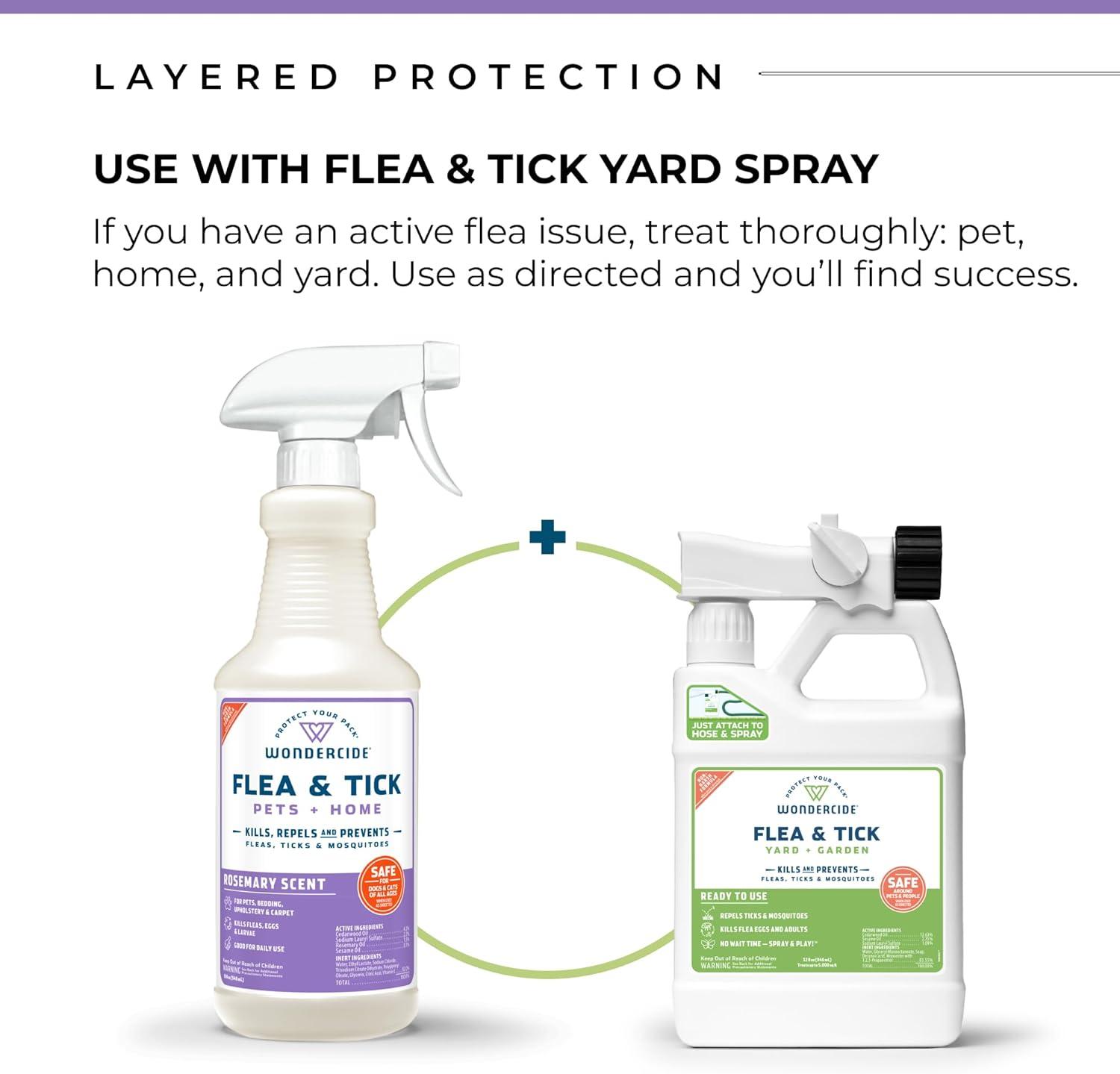
To minimize future tick encounters,bathe your dog regularly,check for ticks after outdoor excursions,and consider using veterinarian-recommended tick preventatives. Maintaining a clean yard and avoiding tick-infested areas like tall grass or dense woods can also help protect your pet.
Frequently Asked Questions
How long does it take for a tick to transmit diseases to my dog?
Generally, most tick-borne diseases require the tick to be attached for 24 to 48 hours before transmission occurs. Though, some diseases can be transmitted faster. This is why prompt and careful removal is so important to reducing the risk of infection.
Can I remove a tick from my dog using household items like tape or heat?
No. Using household items such as tape, heat, petroleum jelly, or nail polish to remove a tick can be dangerous. These methods can cause the tick to regurgitate harmful bacteria into your dog’s bloodstream, increasing the risk of infection.Always use fine-tipped tweezers or a tick removal tool for safe removal.
Should I see a veterinarian after removing a tick from my dog?
If you successfully remove the entire tick and your dog shows no symptoms, a vet visit might not be immediately necessary. However, if you notice any unusual behavior, swelling, redness, or signs of illness, contact your veterinarian promptly. In some cases, bringing the tick for identification and testing can help diagnose potential infections early.
Conclusion
Removing a tick from your dog safely and promptly is an essential skill every dog owner should have. By using the right tools, following a careful removal process, and providing proper aftercare, you can significantly reduce the risks posed by ticks and keep your furry friend happy and healthy.
Remember,prevention is always better than cure.Regularly check your dog for ticks,especially after spending time outdoors,and use veterinarian-approved tick prevention products consistently.With these simple but effective steps, you can protect your dog from the dangers of ticks all year round.