Introduction
Training your dog at home is a rewarding and practical way too build a strong bond with your furry friend while fostering well-mannered behavior. Whether you are a new dog owner or looking to reinforce good habits, obedience training at home provides the adaptability and comfort needed to progress at your own pace. With consistency and patience, you can enjoy a more harmonious relationship with your pet that lasts a lifetime.
This ultimate guide for beginners outlines everything you need to start effective dog obedience training at home. From setting up the ideal surroundings to understanding basic commands and positive reinforcement techniques, we’ll help you create an enriching training experience for both you and your dog, ensuring successful results.
setting Up Your Home for Effective Dog Obedience Training
The first step towards successful obedience training is to create a distraction-free and cozy environment in your home. Choose a quiet room or area where your dog feels safe and focused. This designated training spot helps your pet associate the space with learning and makes sessions more productive.Keep training sessions short-around 10 to 15 minutes-to maintain your dog’s attention and prevent them from becoming overwhelmed.
Gathering the right training tools can significantly improve your experience. Have plenty of small, tasty treats ready for positive reinforcement, a clicker if you plan to use clicker training methods, and a sturdy leash or collar for control during certain exercises. Using thes tools consistently will help your dog understand the connection between good behavior and rewards, encouraging them to repeat desired actions.
Lastly, clearing the area from any distractions such as loud noises, toys, or other pets during your initial sessions helps your dog stay focused on the commands. As training progresses, gradually introduce minor distractions to build their ability to obey commands in various environments, reinforcing good behavior beyond the home setting.
Essential Commands to Teach Your Dog at Home
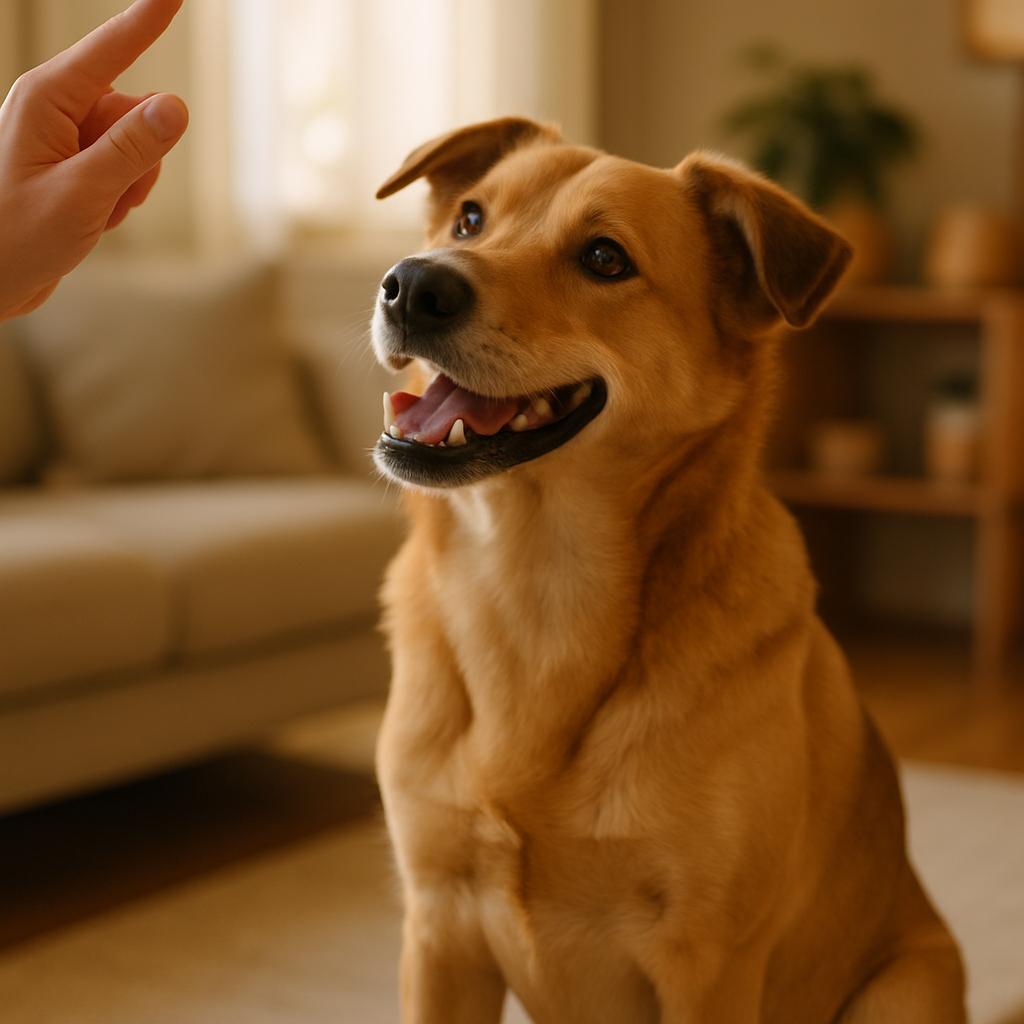
Teaching foundational commands is crucial in establishing good behavior and dialog with your dog. Start with simple but important commands like “Sit,” “Stay,” “Come,” and “Down.” These commands help keep your dog safe and manageable in various situations. Use clear verbal cues paired with hand signals to enhance your dog’s understanding.
It’s critically important to be patient and consistent when teaching these commands. Begin with one command at a time and reward your dog immediately upon successful completion. For example, when teaching “Sit,” gently guide your dog’s rear to the ground while saying the command and rewarding them once seated. Repeat this process daily to reinforce learning.
Once your dog reliably follows basic commands inside your home, you can slowly introduce more complex behaviors such as “Heel,” “Leave it,” and “Wait.” These advanced commands improve your dog’s control during walks or around distractions, making everyday life safer and more enjoyable for both of you.
Our Top Product Recommendations


Positive Reinforcement: The Key to Successful Dog Training
One of the most effective and humane ways to train your dog is through positive reinforcement. This method rewards desired behaviors with treats, praise, or playtime, motivating your dog to repeat those actions. Positive reinforcement builds trust and makes training sessions enjoyable for your pet, leading to faster learning and a stronger bond.
Always reward good behavior immediately so your dog clearly associates the reward with the correct action. Skip punishment or negative reinforcement tactics, as these can cause fear or anxiety, weakening your dog’s confidence and willingness to learn. Instead, redirect unwanted behaviors gently and reward any progress toward the desired behavior.
Another important aspect of positive training is consistency. Use the same commands, rewards, and routines every session to reinforce learning. Vary rewards occasionally to keep your dog interested, mixing treats with toys or affectionate praise. This approach keeps training fresh and motivating.
Frequently Asked Questions
How often should I train my dog each day?
Ideally, short training sessions of 10 to 15 minutes should be conducted twice daily.Keeping sessions brief and frequent helps maintain your dog’s focus and reduces frustration.
What if my dog doesn’t respond to commands right away?
Patience is key. Some dogs take longer to learn based on age, breed, or personality. Consistent practice and positive reinforcement will help your dog improve over time.
Can I train an older dog at home?
Absolutely! Older dogs can learn new behaviors just like puppies if training is tailored to their pace and needs. Positive methods and patience are especially important for mature dogs.
conclusion
Obedience training at home is a fulfilling journey that enhances communication and trust between you and your dog. With consistent practice, a positive mindset, and the right tools, even beginners can successfully teach their dogs essential commands that lead to a well-behaved companion. Remember, every dog learns at their own pace, so celebrate small victories along the way.
By implementing these techniques and utilizing recommended resources, you’ll be well equipped to create a safe, happy, and obedient environment right in your own home. Happy training!