Introduction
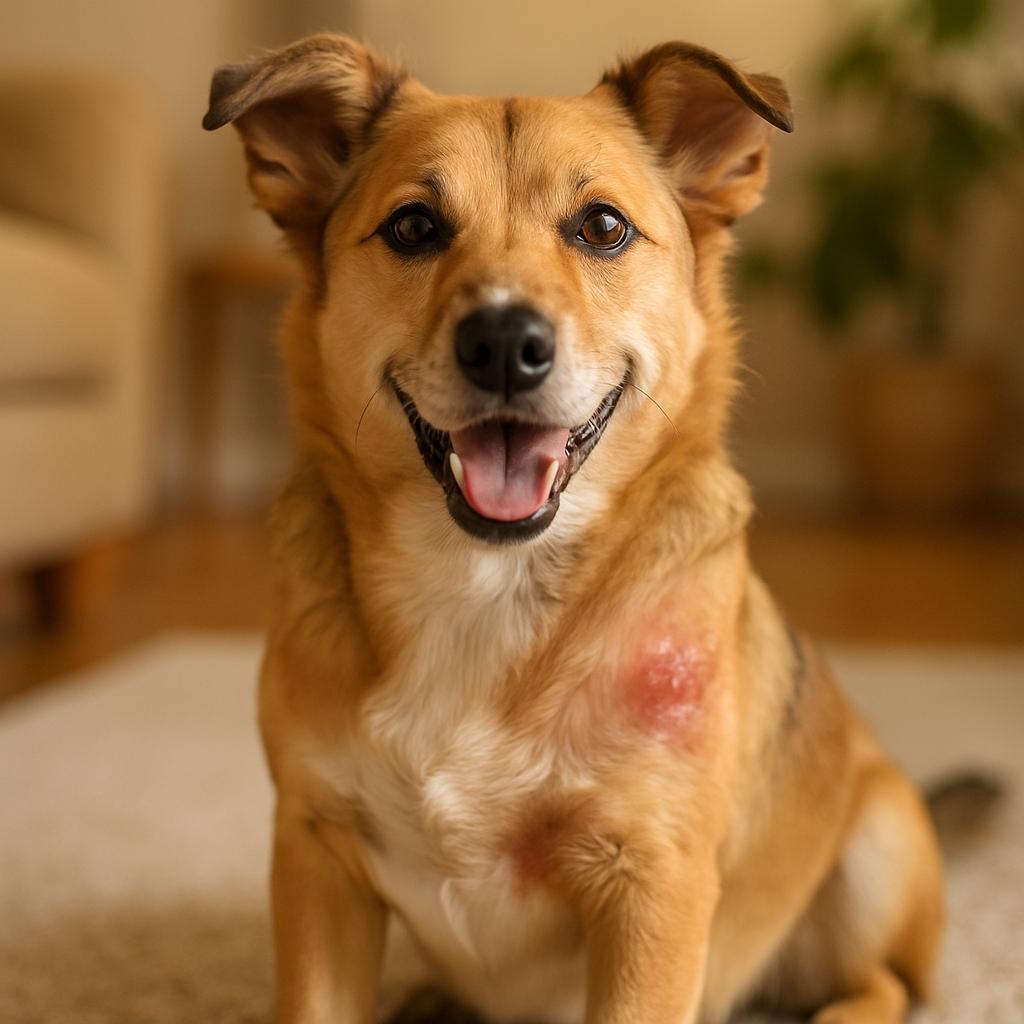
Dog hot spots are a common skin condition that many dog owners encounter. These irritated, inflamed areas can quickly become painful and uncomfortable for your furry friend. hot spots,also known as acute moist dermatitis,often result from itching,biting,or licking due to allergies,insect bites,or underlying skin infections. Treating them promptly at home can prevent worsening and promote faster healing.
In this comprehensive guide, we’ll walk you through effective and safe methods to treat dog hot spots at home. Whether your dog has one minor spot or multiple irritated patches, learning how to properly care for these areas will ensure your pet stays happy, healthy, and itch-free.
Understanding Dog Hot Spots and Initial Care
Before diving into treatment, it’s crucial to understand what causes hot spots and how to identify them early. Hot spots typically appear as red, moist, and inflamed patches of skin. They can be itchy and painful, causing your dog to scratch or chew relentlessly. Common triggers include flea infestations, allergies, skin infections, or even stress-related behaviors.
When you first notice a hot spot on your dog, teh initial step is to carefully trim the hair surrounding the affected area. This allows the wound to breathe and makes cleaning easier.Use blunt-ended scissors to avoid accidentally hurting your dog or worsening the site.
Next, gently clean the hot spot with a mild antiseptic solution like diluted chlorhexidine or povidone-iodine. Avoid harsh chemicals or human antiseptics which may irritate your dog’s skin further. This cleansing removes dirt,bacteria,and debris,reducing the risk of infection and preparing the area for healing.
Effective Home Treatments for Dog Hot Spots
Once the hot spot is trimmed and cleaned, you can begin targeted treatments at home. Applying a veterinary-recommended topical treatment, such as an antibiotic spray or hydrocortisone cream, helps reduce inflammation and fights infection. Be sure to follow dosing instructions carefully and consult with your vet if unsure.
Providing your dog with an Elizabethan collar, or “cone,” is also essential.This prevents them from licking or biting the hot spot, which can exacerbate the injury and delay healing. You might need to keep this collar on until the sore has fully improved.
additionally,consider using natural soothing agents like aloe vera gel or chamomile tea compresses to calm irritation. These treatments can complement medical topical products, offering relief from itching and redness without harsh side effects.
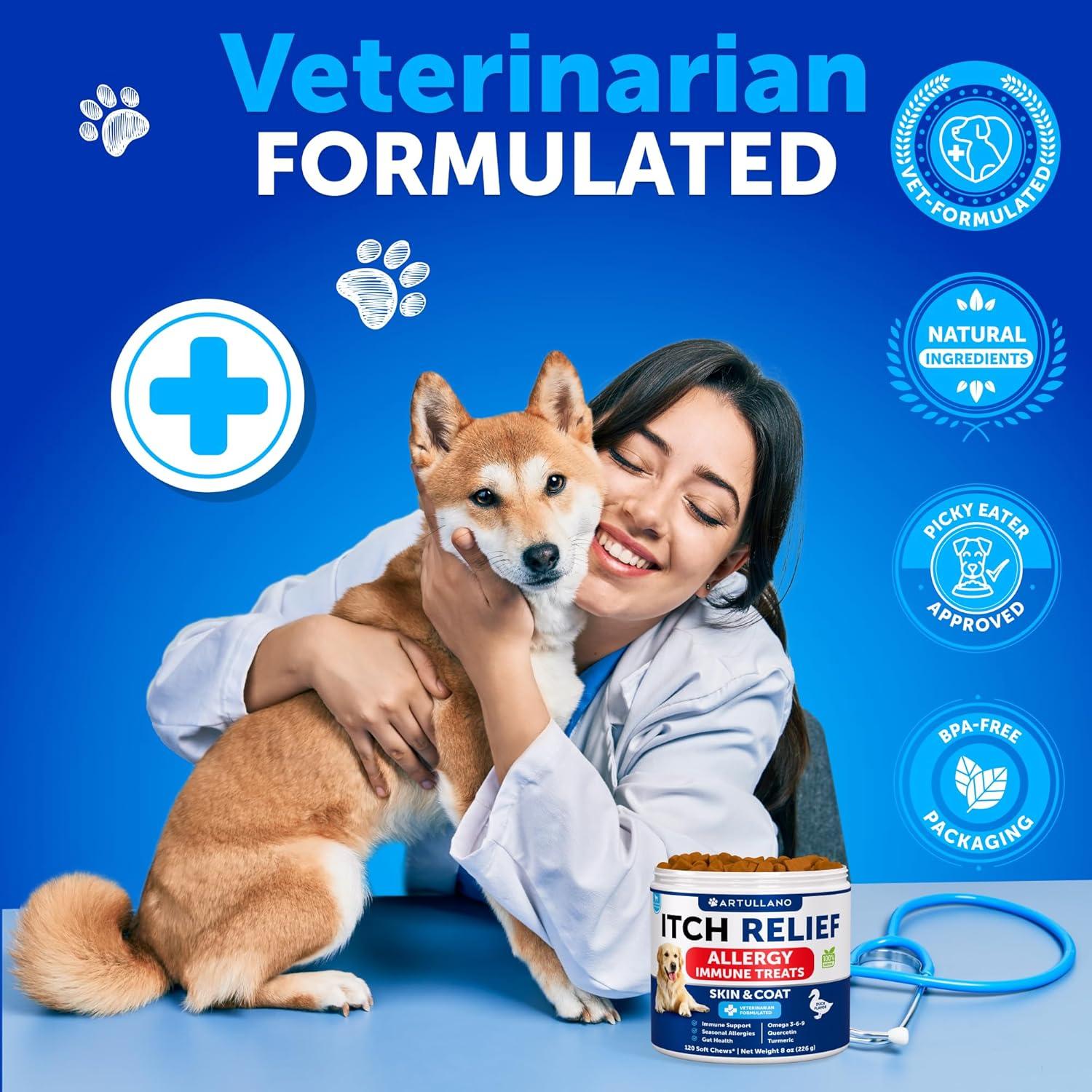
Our Top Product Recommendations
Preventing Hot Spots and Supporting Skin Health
Preventing the recurrence of hot spots is as important as treating the current outbreak.Regular grooming and flea control are essential preventive measures. Fleas are one of the most common causes of hot spots, so maintaining a flea-free habitat for your dog is crucial. Use veterinarian-approved flea prevention products and keep your dog’s bedding clean.
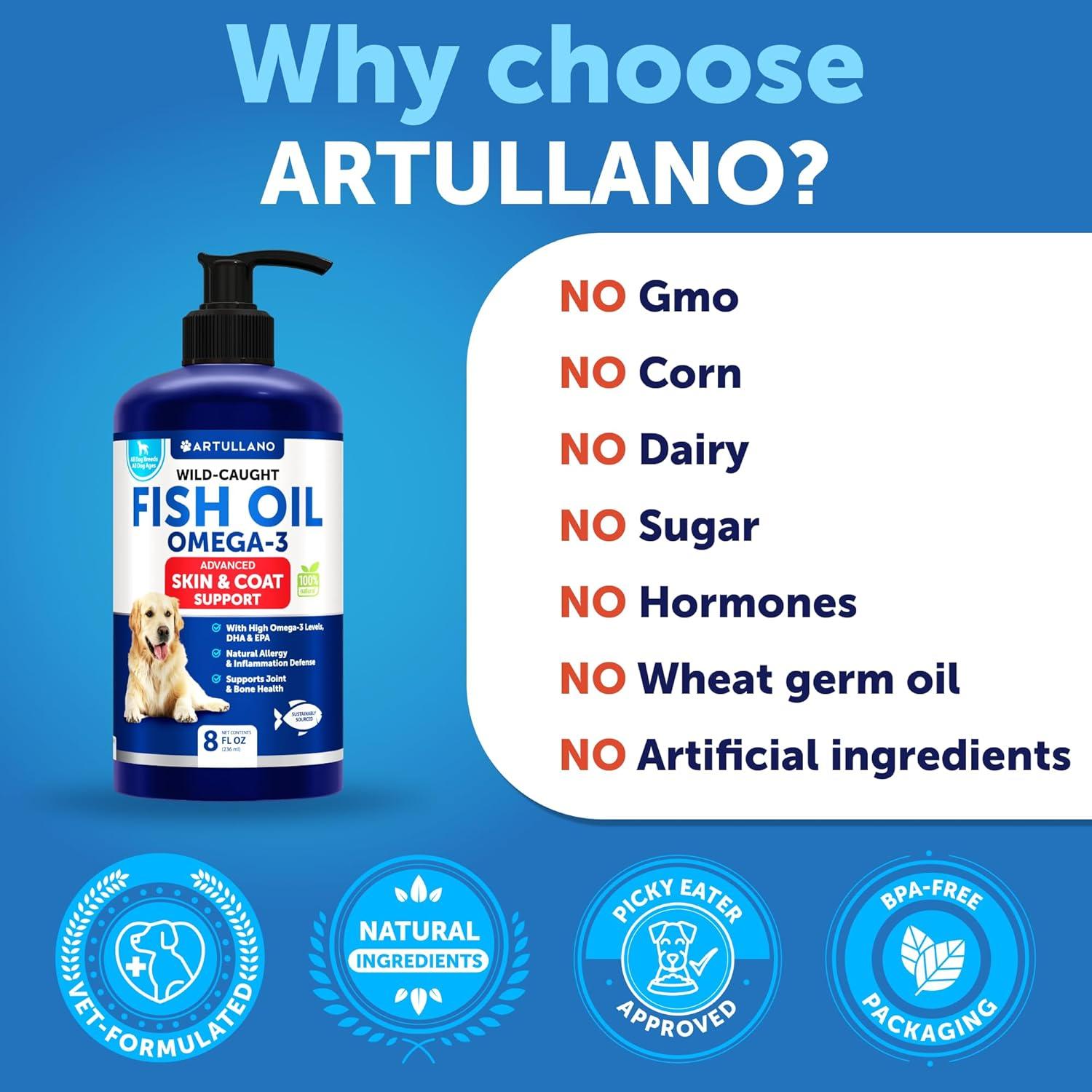
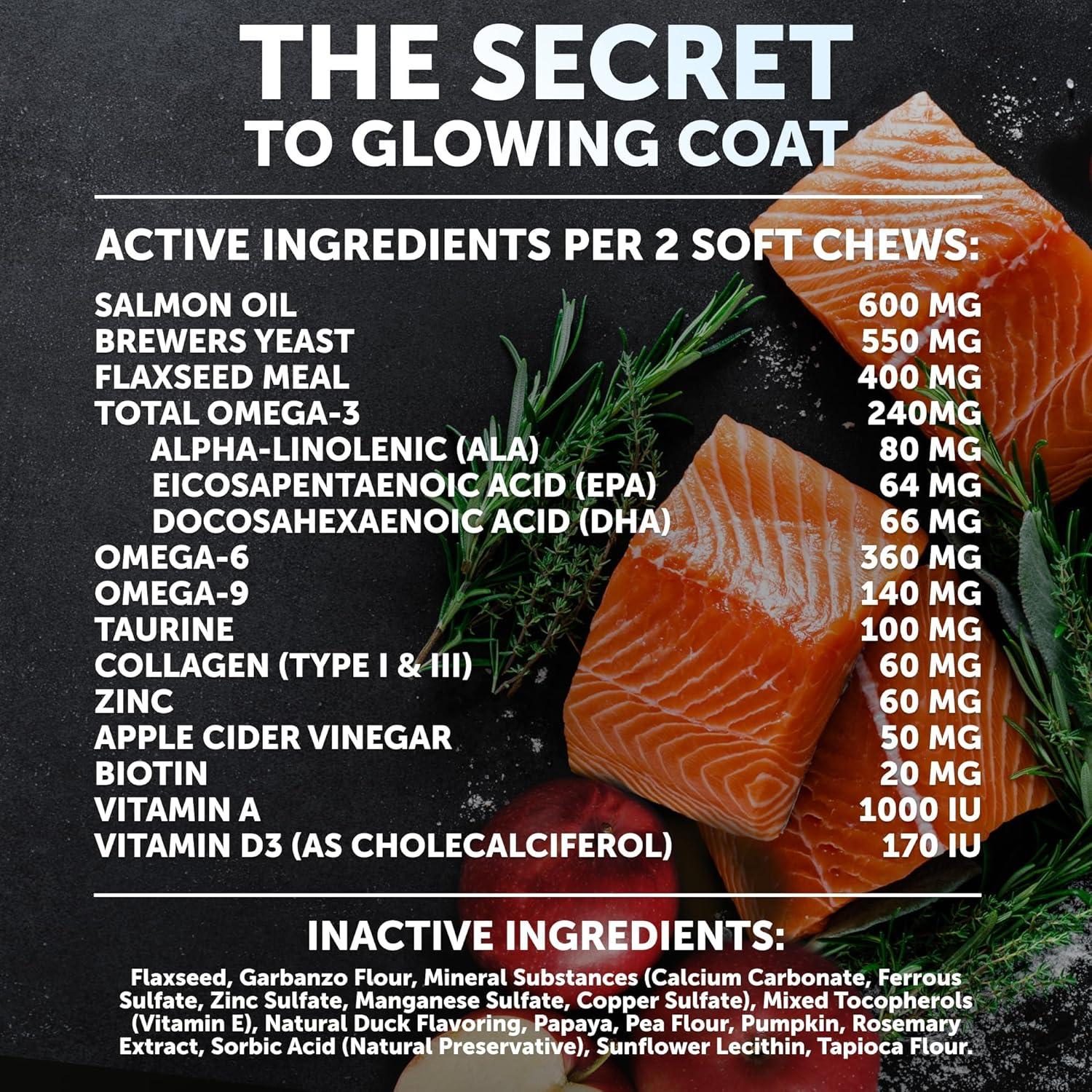
Nutrition also plays a vital role in your dog’s skin health. Feeding a balanced diet rich in omega-3 fatty acids supports a healthy coat and reduces skin inflammation. you might consider supplementing with fish oil or othre skin-supportive vitamins, but always consult with your vet before adding supplements to your dog’s routine.
managing allergies and environmental triggers can significantly reduce hot spot growth. If you notice your dog frequently scratches or bites certain areas, it might potentially be due to seasonal allergies or sensitivities. Work with your veterinarian to identify allergens and create a treatment plan that minimizes exposure and symptoms.
Frequently Asked Questions
How long does it take for a dog hot spot to heal?
With proper cleaning and treatment, most dog hot spots start to improve within a few days and fully heal in about 1 to 2 weeks. However, the healing time can vary depending on the severity and any underlying causes. Persistent or worsening hot spots should be evaluated by a veterinarian.
Can I use human creams or ointments on my dog’s hot spots?
It’s generally not safe to use human skin creams or ointments on dogs without veterinary approval. Some ingredients in human products can be toxic or irritating to dogs. Always use products that are specifically designed for pets or recommended by your vet.
When should I see a vet for my dog’s hot spots?
If the hot spot is very large, extremely painful, or not improving in a few days despite home care, it’s time to consult a veterinarian. Additionally, if your dog shows signs of systemic illness like fever, lethargy, or loss of appetite, seek vet care promptly as these may indicate a severe infection.
Conclusion
Treating dog hot spots at home can be both safe and effective when done with care and attention. By understanding the causes, practicing proper hygiene, and applying recommended treatments, you can definitely help your dog heal quickly and comfortably. Remember to monitor your pet closely and consult your veterinarian if the hot spot does not improve or worsens.
Maintaining a healthy coat and managing potential allergens will reduce the likelihood of future hot spots, ensuring your dog stays happy and itch-free year-round. With the right approach, you can confidently care for your dog’s skin health right from home.


![Fi New Series 3+ Smart Dog Tracker Collar [6 Month Membership Included] GPS Tracker for Dogs with Health & Behavior Monitoring, Escape Alerts, Waterproof, LED, Apple Watch Compatible (Pink, Large)](https://m.media-amazon.com/images/I/41UoHeHXd9L._SS300_.jpg)